The Kibbe Sketching Method
Discover your Image ID by understanding the geometry of your body. No quiz, no guessing - just visual analysis of your unique silhouette.
The Sketching Method: Step by Step
Follow these steps to create your own body sketch and identify the geometric shapes that define your Kibbe type.
Take a Full-Body Photo
Capture an accurate image of your body that shows your true proportions without distortion.
- •Wear form-fitting clothes or a swimsuit
- •Stand straight, facing the camera squarely
- •Arms slightly away from your sides
- •Camera at chest height to minimize distortion
- •Avoid mirror selfies - they distort proportions
Trace Your Silhouette
Create a clean outline of your body shape by tracing over your photo.
- •Use a drawing app or tracing paper
- •Mark a horizontal line at your feet as reference
- •Trace from shoulders down to at least your knees
- •Include the outline of your head for proportion
- •Keep lines smooth and continuous
Add Interior Shape Lines
Optionally add internal lines that define your body's key shapes and curves.
- •Trace the curve of your bust
- •Mark the narrowest point of your waist
- •Outline your hip curve
- •Note the angle of your shoulders
- •This helps identify yin vs yang features
Finalize the Line Drawing
Remove the photo layer to reveal your pure silhouette outline.
- •Delete or hide the original photo
- •You should have only the traced outline
- •Check that proportions look accurate
- •Clean up any messy lines
- •The result should be a simple, clear silhouette
Interpret Your Shapes
Match the geometric shapes in your silhouette to Kibbe type characteristics.
- •Long straight lines = Dramatic family
- •Stacked circles/ovals = Romantic family
- •Broad trapezoid shoulders = Natural family
- •Compact mixed shapes = Gamine family
- •Balanced symmetry = Classic family
Common Photo Mistakes to Avoid
For accurate Kibbe typing, your photo needs to show your true proportions. Avoid these common mistakes that can distort your silhouette.
Mirror Selfies
Angles distort your body's true proportions and create asymmetry
Loose Clothing
Hides your actual body shape and curves
Bad Posture
Slouching or exaggerated poses change your silhouette
Wrong Camera Angle
Too high or too low distorts your vertical line
Poor Lighting
Shadows can obscure your outline and create false shapes
Your Personal Line
Your Personal Line is based on how the proportions of your body relate to each other in one long outline. It's the blueprint for your silhouette—what your clothes need to accommodate.
You cannot simply look at your body to see your Personal Line. It's something you have to defineby understanding how fabric would hang and drape on your specific form.
The Personal Line Formula
Dominant + Additional = Your Personal Line
Red Line (Dominant)
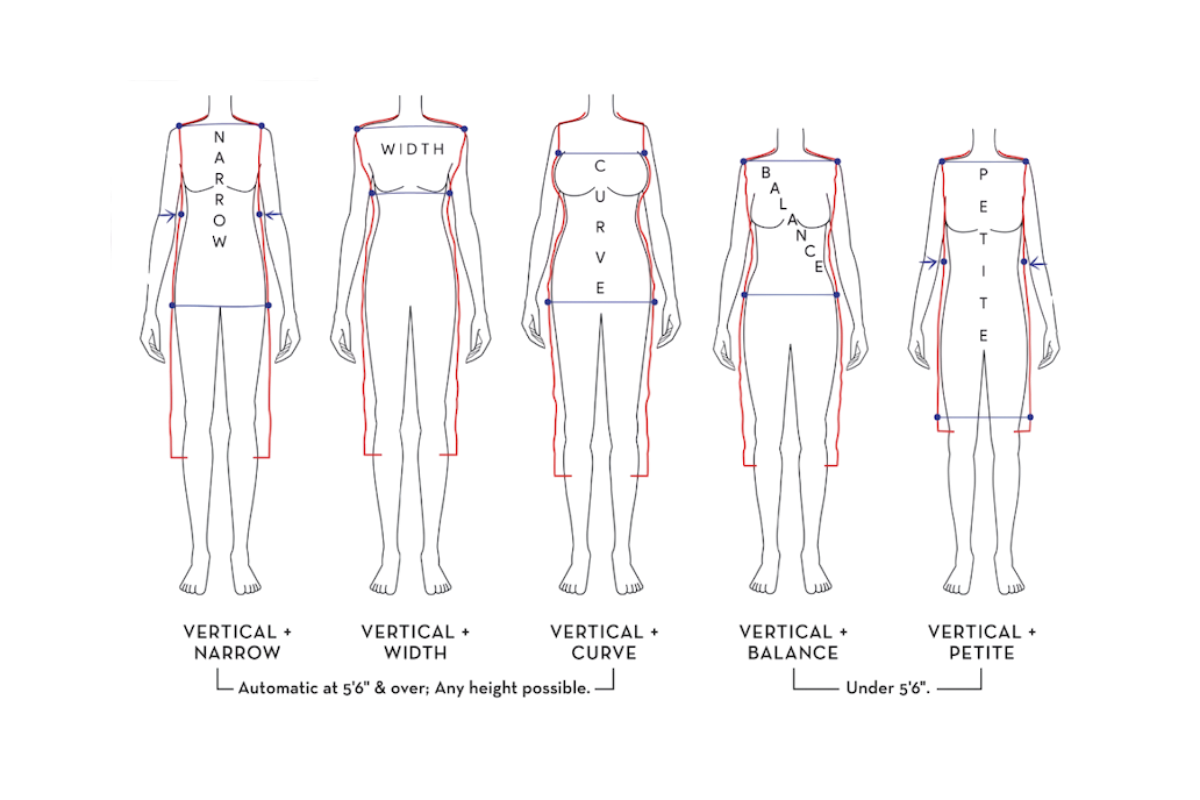
Shows how imaginary silk chiffon falls from your shoulders - either straight down (Vertical) or pushed out by curves (Curve).
Blue Line (Additional)
Shows where your secondary characteristic occurs on the body. This is what makes your Personal Line specific to YOU.
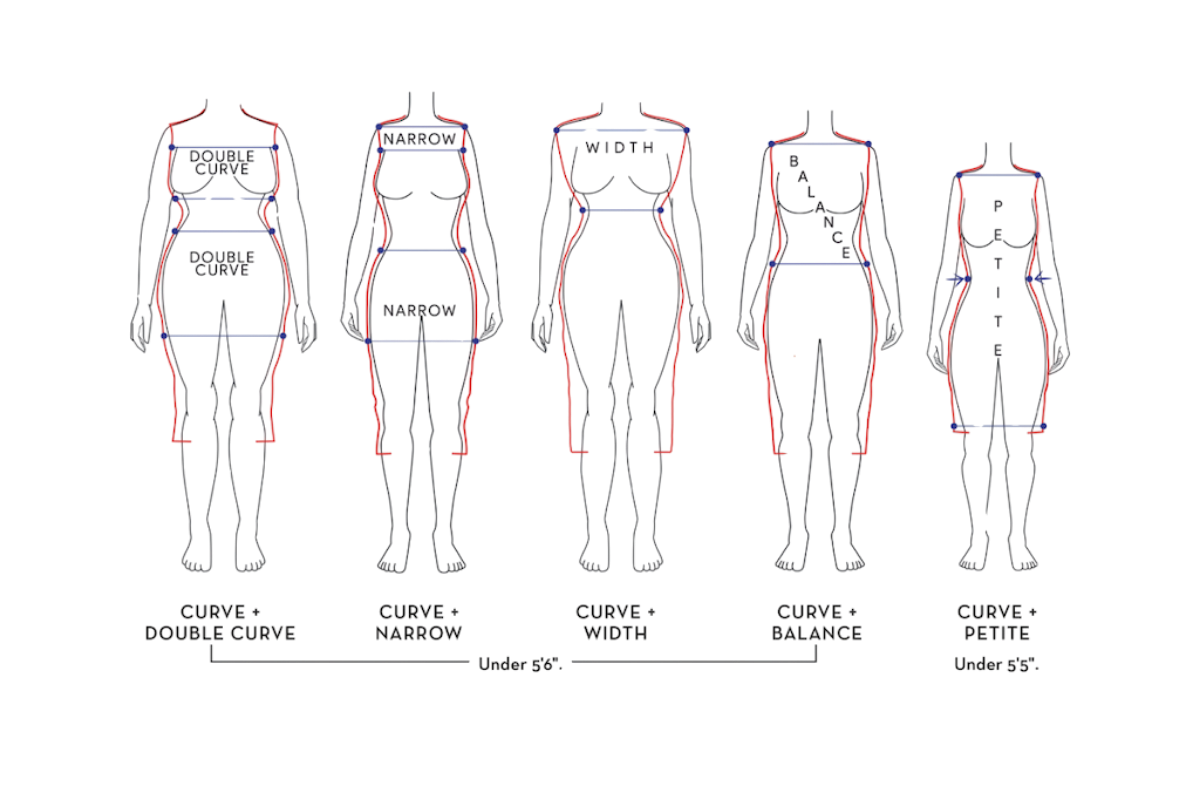
Personal Line Sketches: All 10 Image Identities
The red line shows your Dominant (Vertical or Curve). The blue markers show where your Additional occurs on the body.
How to Find Your Personal Line
David Kibbe's method uses the visualization of imaginary silk chiffon (weighted at the bottom) draped from your shoulders. This helps you determine your Dominant and Additional.
Step 1: Find Your Dominant
Vertical
Your Personal Line creates a long, continuous vertical from shoulder to floor.
“Imaginary silk chiffon (weighted at the bottom) falls relatively straight down from your shoulders.”
- •Fabric hangs straight down from shoulders
- •Body does not push fabric outward significantly
- •Creates one long, unbroken vertical line
- •Silhouette needs to accommodate this vertical
Automatic at 5'6" and over. Any height possible under 5'6".
Curve
Your Personal Line is defined by curves that push fabric outward at bust and/or hips.
“Imaginary silk chiffon gets pushed out and around by the bust and hips, creating an elliptical shape.”
- •Fabric is pushed outward by bust and/or hips
- •Creates an elliptical (oval) line cutting in at midsection
- •Rounded, flowing silhouette shape
- •Silhouette needs to drape around these curves
Must be under 5'6" to have Curve as your Dominant.
Step 2: Find Your Additional
Your Additional is what makes your Personal Line specific to YOU. It shows where a secondary characteristic occurs on your body. Note: Vertical cannot be an Additional.
Narrow
Everything starts inward from the shoulder and moves down. May go straight or curve, but stays within the shoulder line.
Area: Overall frame width
Width
Breadth through shoulder/upper torso area. This part is wider than what comes underneath (proportionate, not a wide body).
Area: Shoulder/upper torso area
Curve
Elliptical (oval) line, cutting in at midsection. Bust and/or hips push the fabric outward.
Area: Bust and hip area
Balance
Parity between outer edge of upper torso and hipbone. These two parts are evenly spaced.
Area: Upper torso to hipbone ratio
Petite
Compact overall. Vertical or Curve packed within a compressed frame.
Area: Overall frame compactness
Double Curve
Two ellipses (ovals), bust and hips stacked on top of each other, with a definite indentation cutting inward between the two.
Area: Bust and hips as separate curves
What Shapes to Look For
Once you have your silhouette sketch, identify which geometric shapes best describe your body outline. Each shape family corresponds to specific Kibbe types.
Elongated Rectangle
Long, straight vertical lines with minimal curves. The silhouette forms a narrow, elongated column.
Vertical with Curves
Long vertical line but with noticeable curves at bust and/or hips pushing outward.
Inverted Trapezoid
Broader at the shoulders, narrowing toward the hips. Shows width in the upper body.
Balanced Symmetry
Even, symmetrical proportions with moderate height and width. No extreme features.
Compact Mixed Shapes
Small, compact outline with a mix of sharp angles and soft curves. High contrast in a petite frame.
Stacked Circles/Ovals
Round shapes stacked vertically, creating a double-curved silhouette like a snowman.
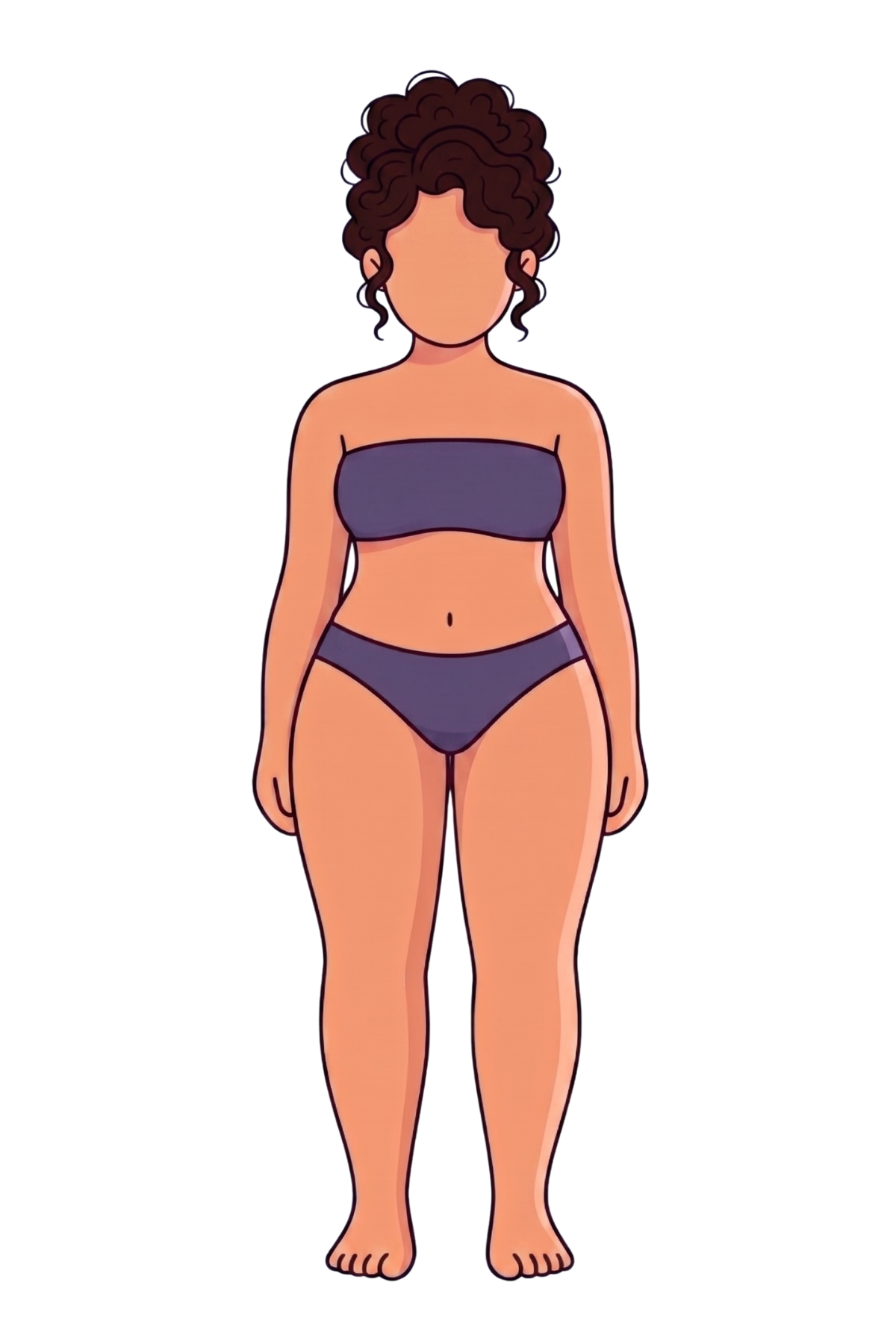
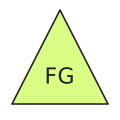
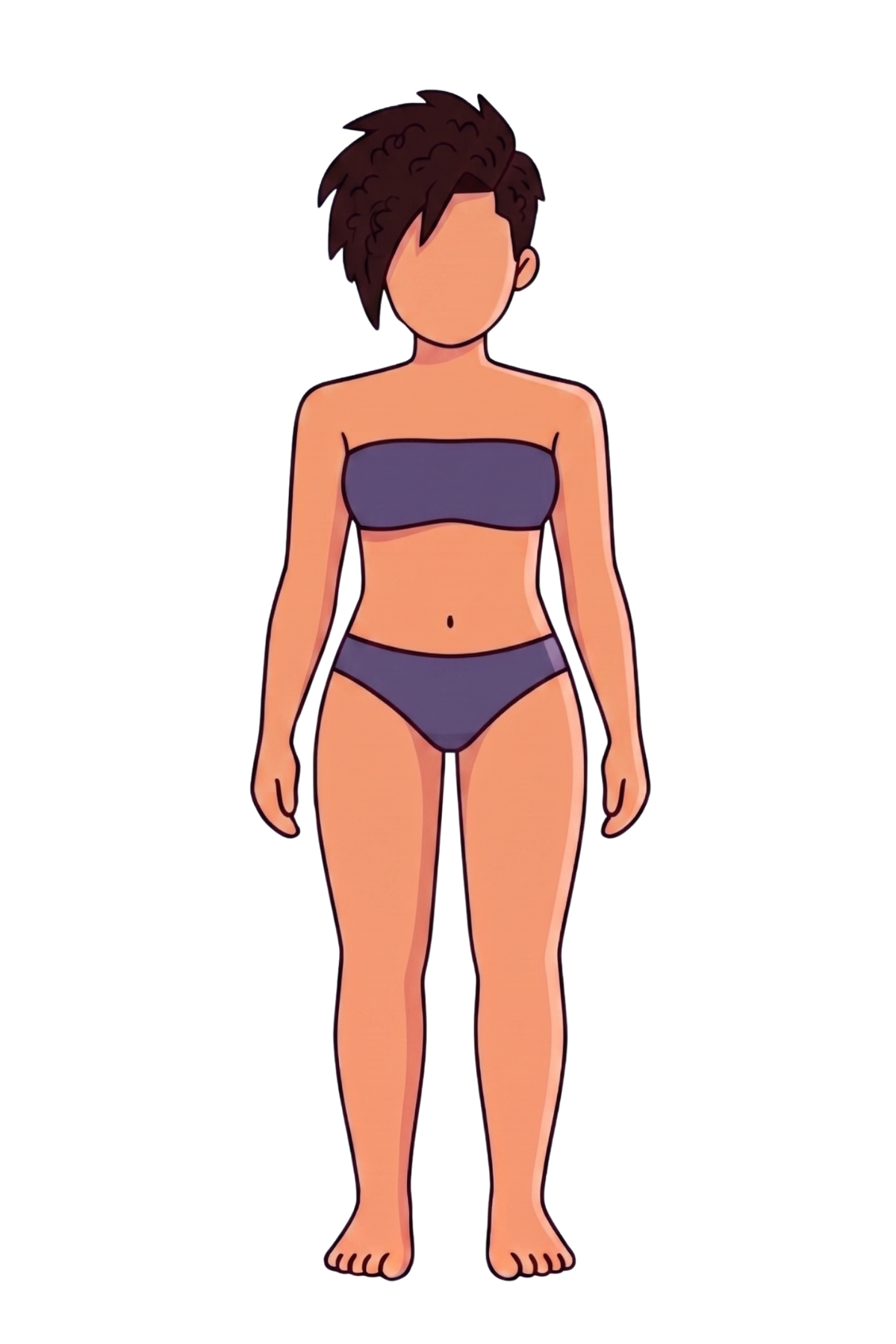
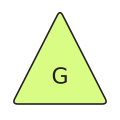
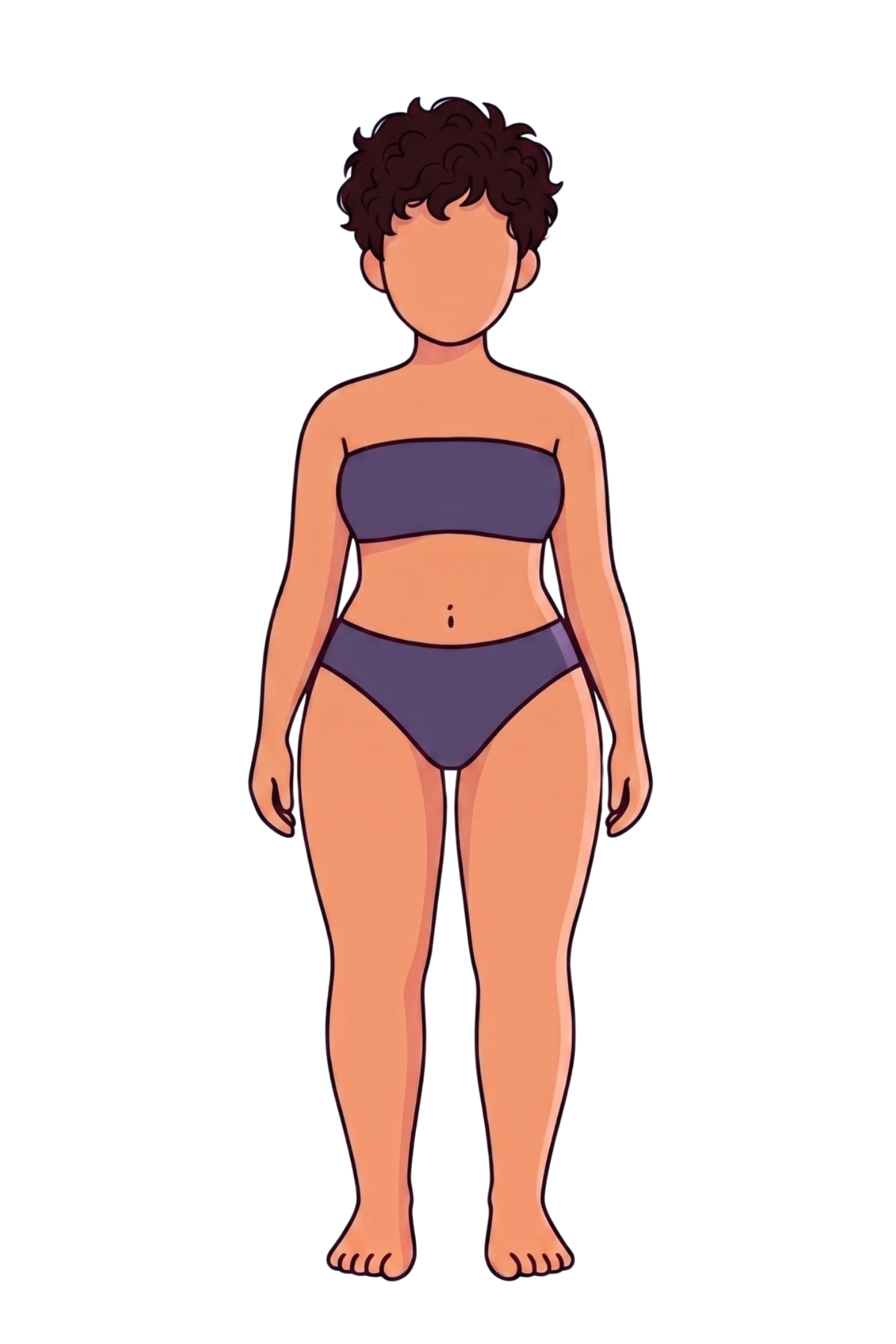
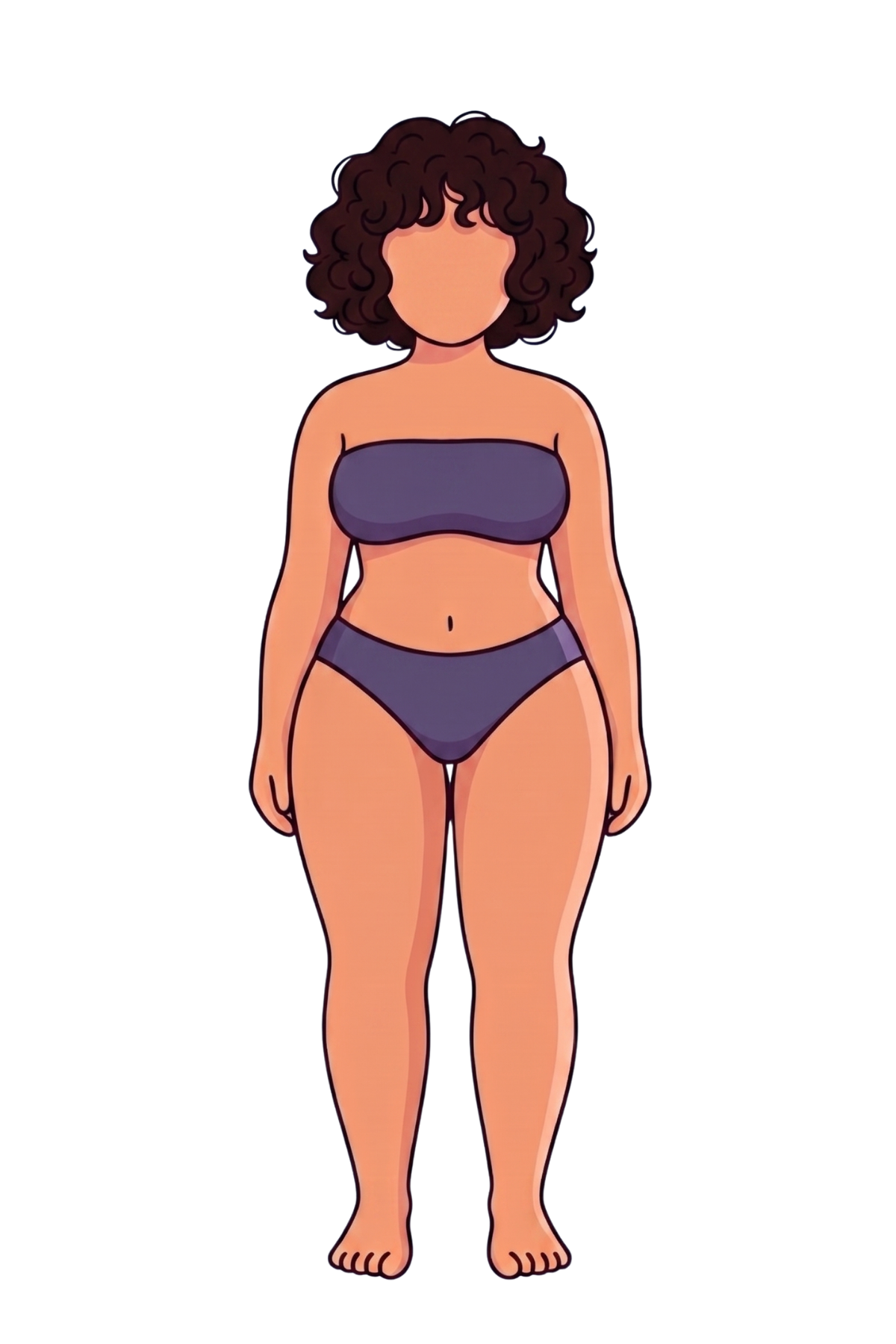
Note: The Kibbe Body site represents these shapes differently for visual clarity. I use diamonds for Dramatics to emphasize their sharpness, rectangles for Naturals to highlight broadness, circles for Classics to represent all-around symmetry, triangles for Gamines to show their mix and compactness, and hearts for Romantics to emphasize curves.
Tips for Shape Analysis
Step back and look at the overall impression, not individual parts
Ask: "What shape does this most remind me of?"
The dominant shape tells you your primary family
Secondary shapes indicate your specific type within that family
Weight can change, but your underlying bone structure shapes remain
The 10 Image ID Sketches
Based on your dominant trait (Vertical or Curve) combined with a secondary trait, you'll match one of these 10 body sketches. Each represents a unique silhouette that clothing should accommodate.
Note: David Kibbe originally defined 13 types, but has since discontinued Pure Natural, Pure Classic, and Pure Gamine. Those who previously identified with these types are encouraged to explore the related sub-types above.
Vertical Dominant
5'6" and above, or visually elongated
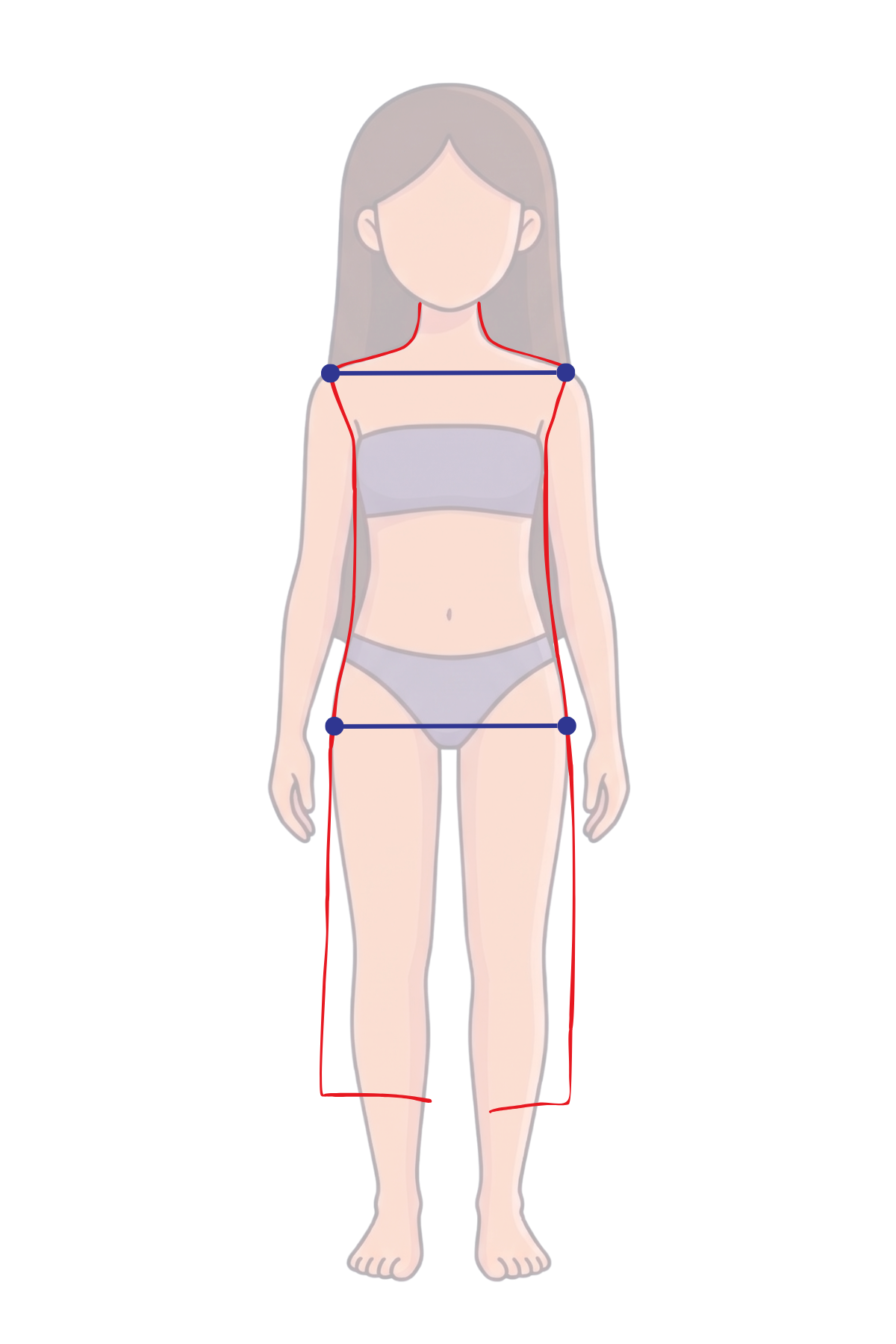
Dramatic
Your silhouette is sleek and narrow with one long, unbroken vertical line. The eye travels straight down from head to toe with no curves or breaks to interrupt it. Tailored or flowing both work — as long as everything moves down, never out.
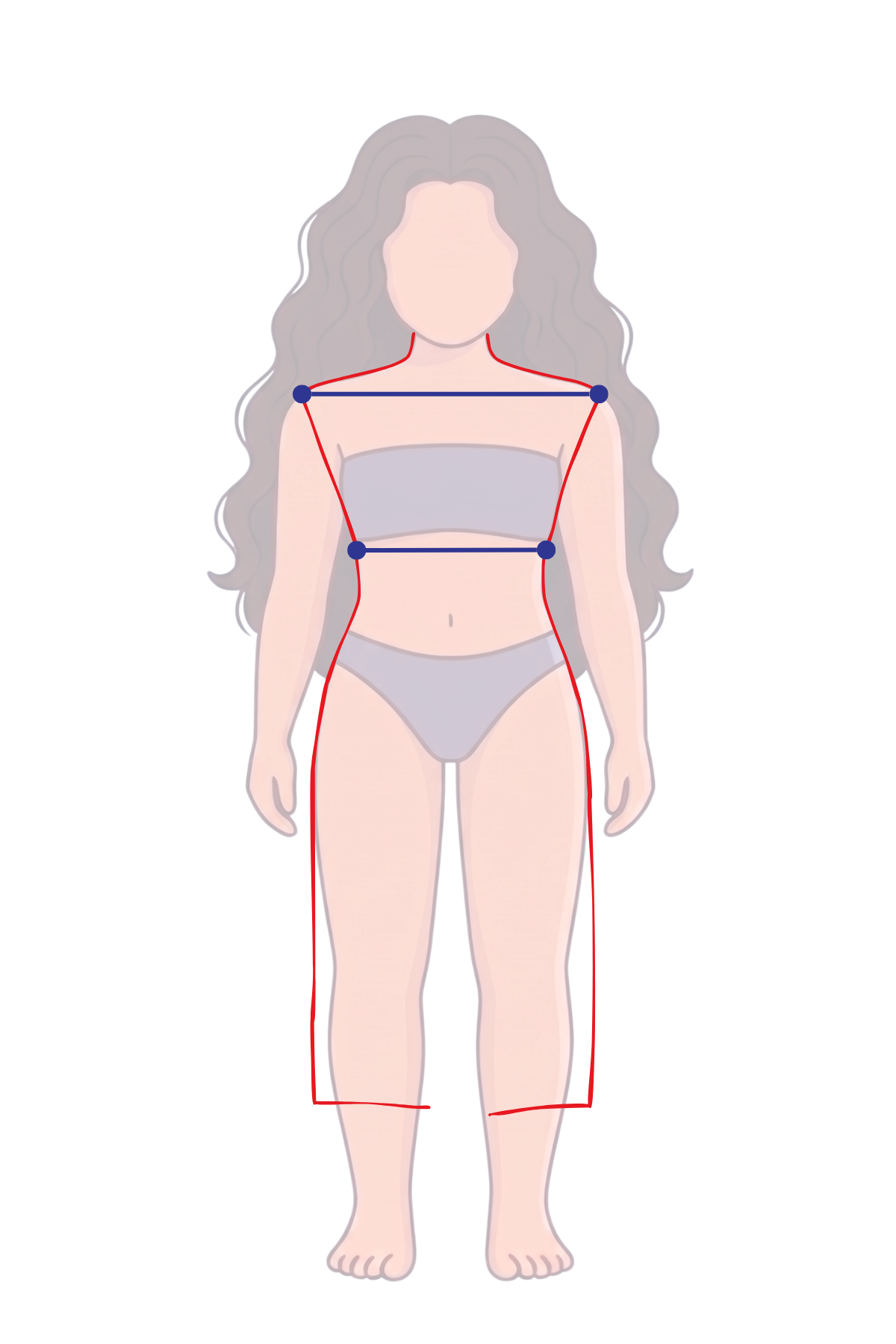
Flamboyant Natural
Your silhouette is long and unbroken with extra breadth through the shoulders and upper back. The eye sweeps downward in one bold, relaxed line. Drape and flow should always move down, not out — nothing fussy or fitted.
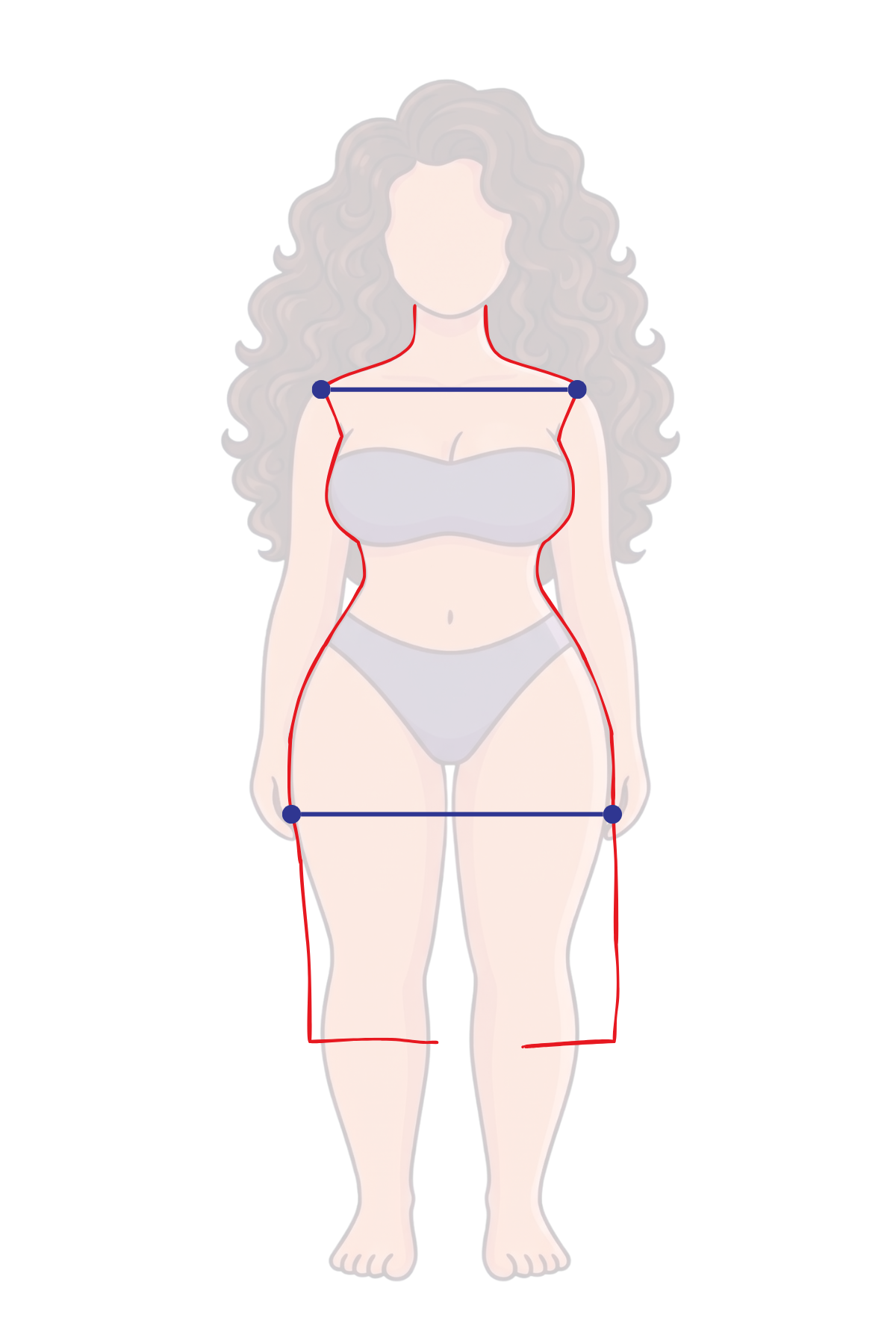
Soft Dramatic
Your silhouette is a long vertical line softened by curve, especially through the bust and shoulders. The eye travels straight down but lingers on draped, fluid shapes along the way. Flow is welcome — as long as it stays elongated.
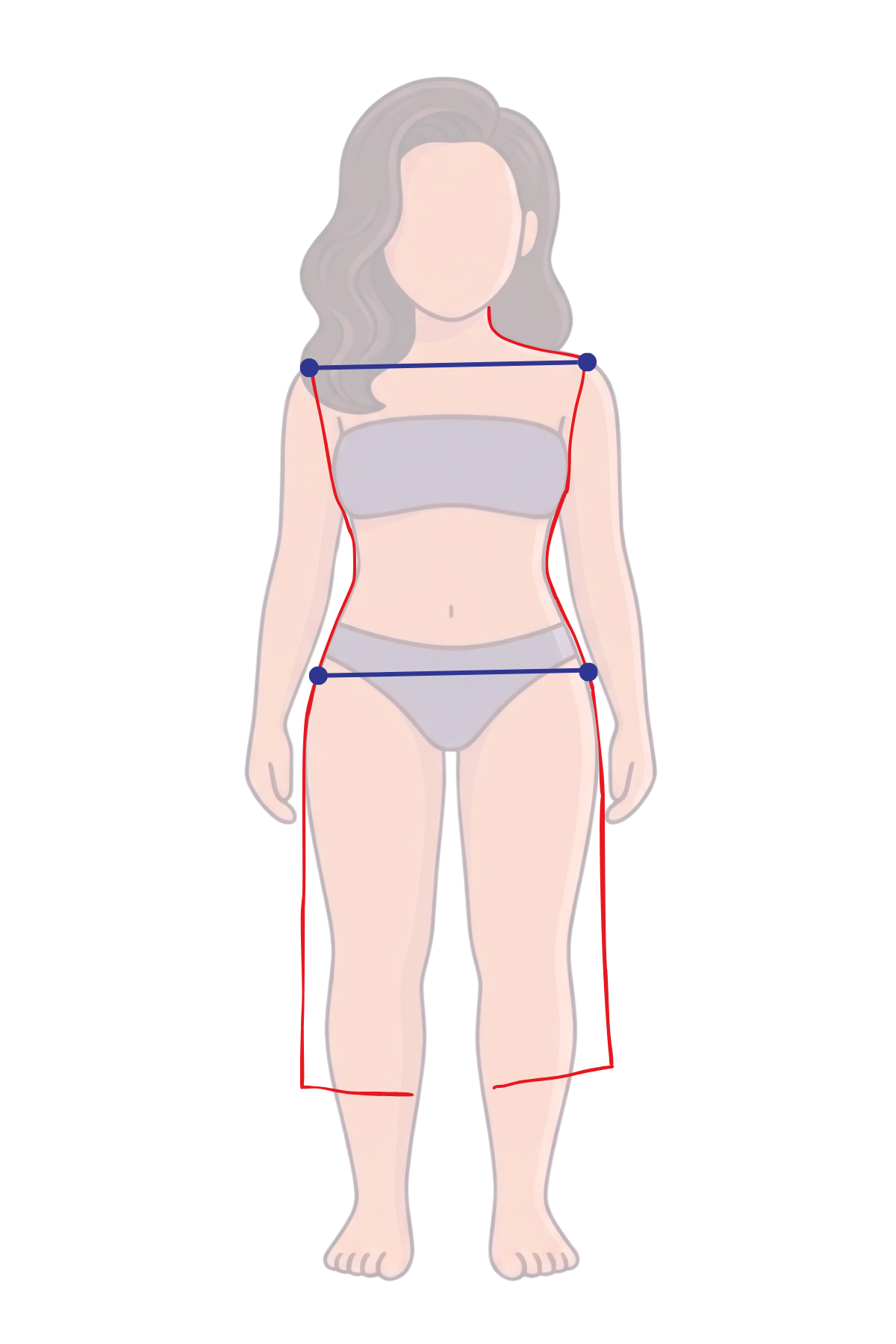
Dramatic Classic
Your silhouette is clean and tailored with sharp, refined edges — never extreme. The eye travels straight down in a neat vertical, fitted close to the body without being tight. Time-honored simplicity with a fashion-forward edge.
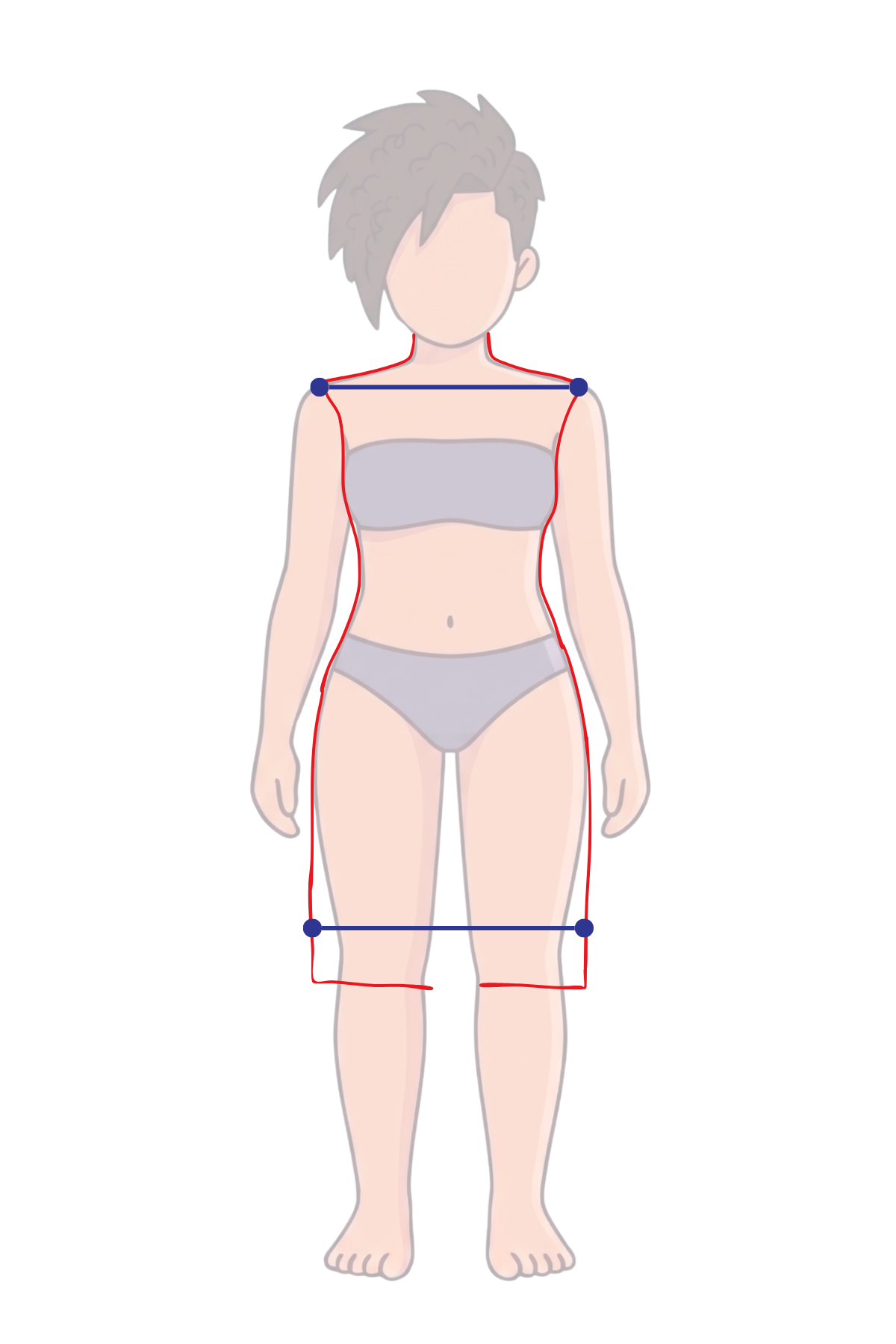
Flamboyant Gamine
Your silhouette is a compact vertical line broken by detail — separate pieces, accessories, and contrast layered on a close-to-the-body base. The eye travels downward in a staccato rhythm rather than one smooth line. Any flow moves down, not out, with the same crisp breaks. Detail is everything.
Curve Dominant
Under 5'6", curves define the silhouette
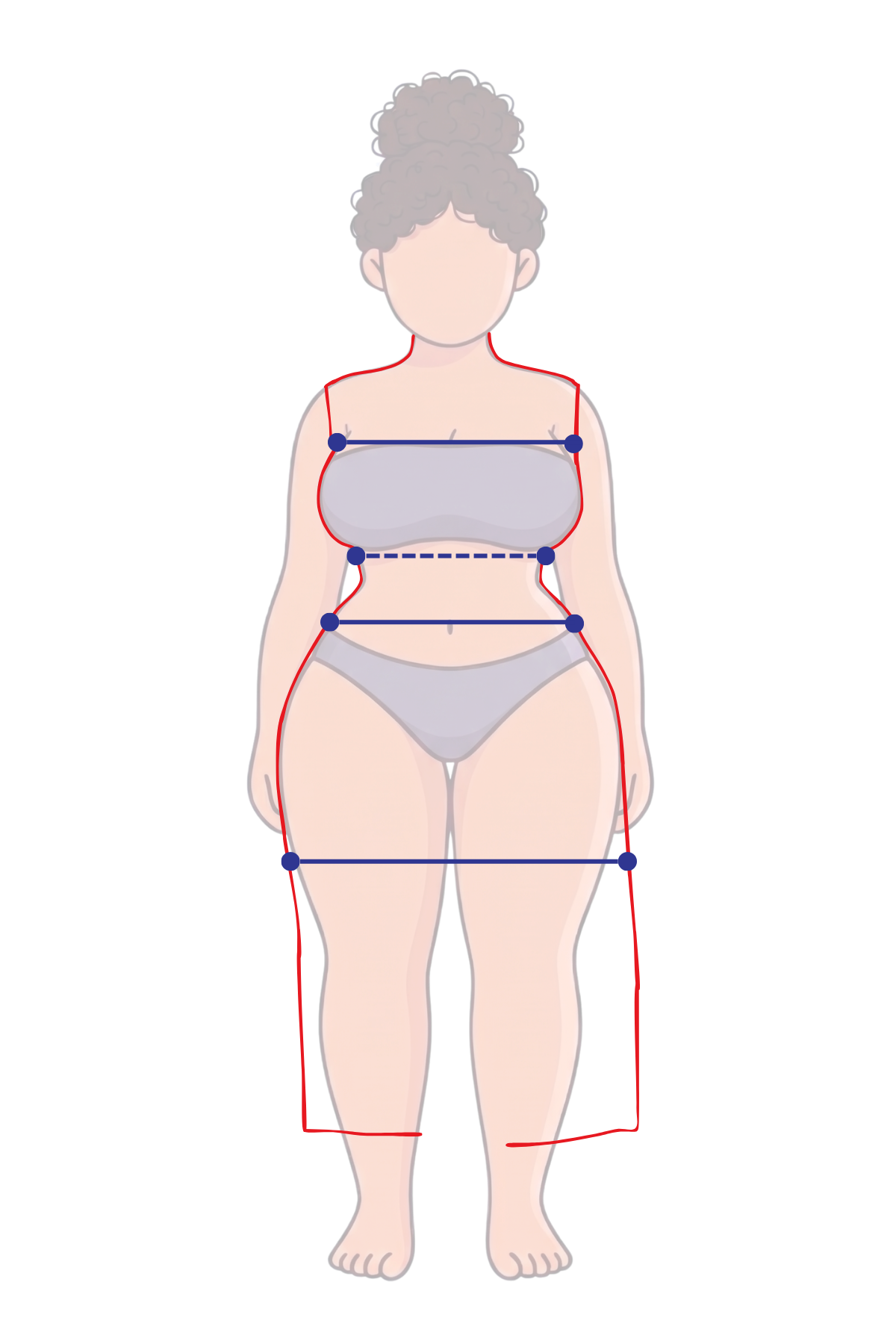
Romantic
Your silhouette is soft, fluid, and built around full curves. The eye travels around both bust and hip in continuous, rounded motion. Skim the body or let fabric flow outward — fluidity is the rule, never stiff or angular.
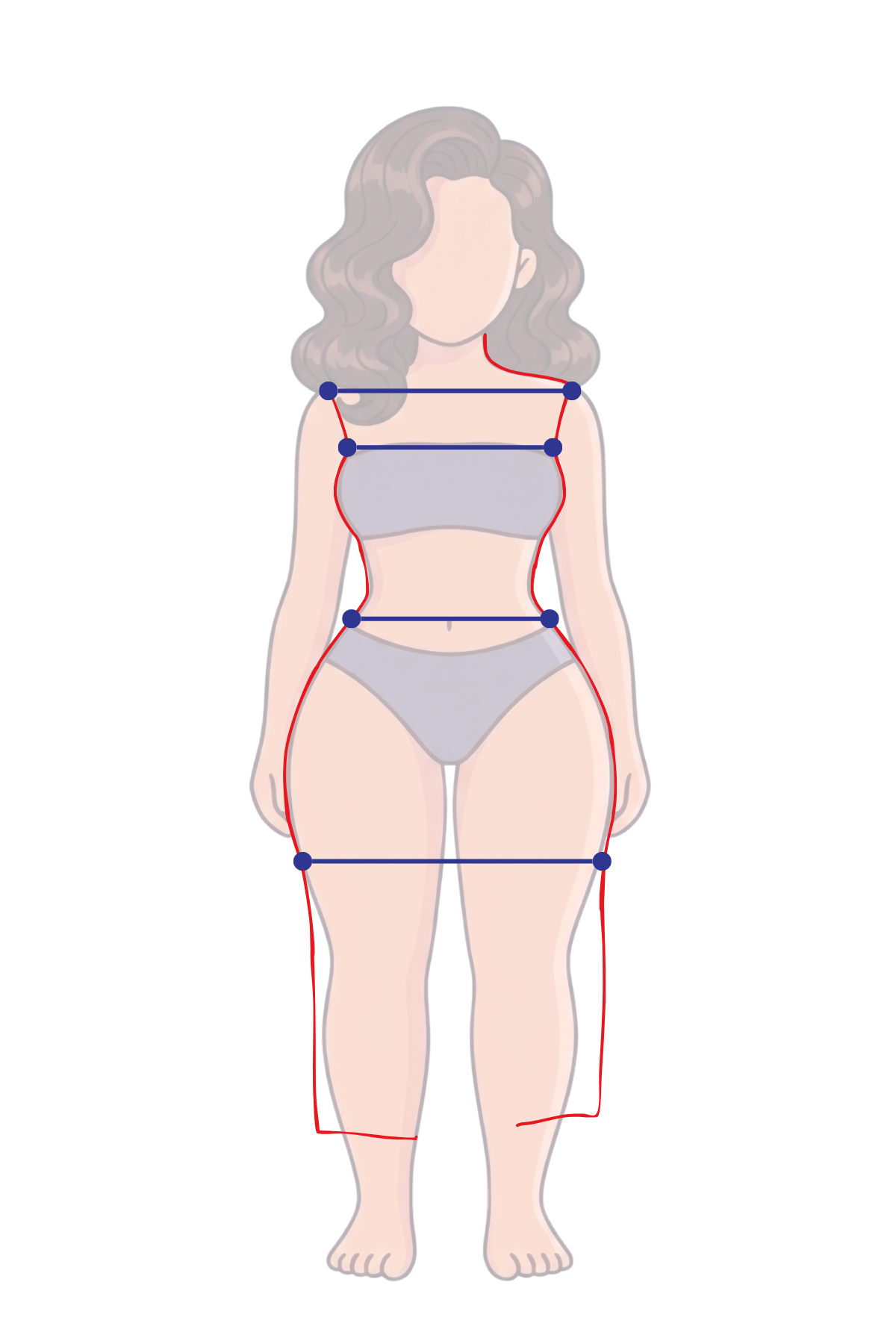
Theatrical Romantic
Your silhouette is shapely with curves that stay front and center, framed by a delicate, narrow bone structure. The eye travels around the curves whether the look is fitted or fluid. Curves must always be evident — never hidden or flattened.
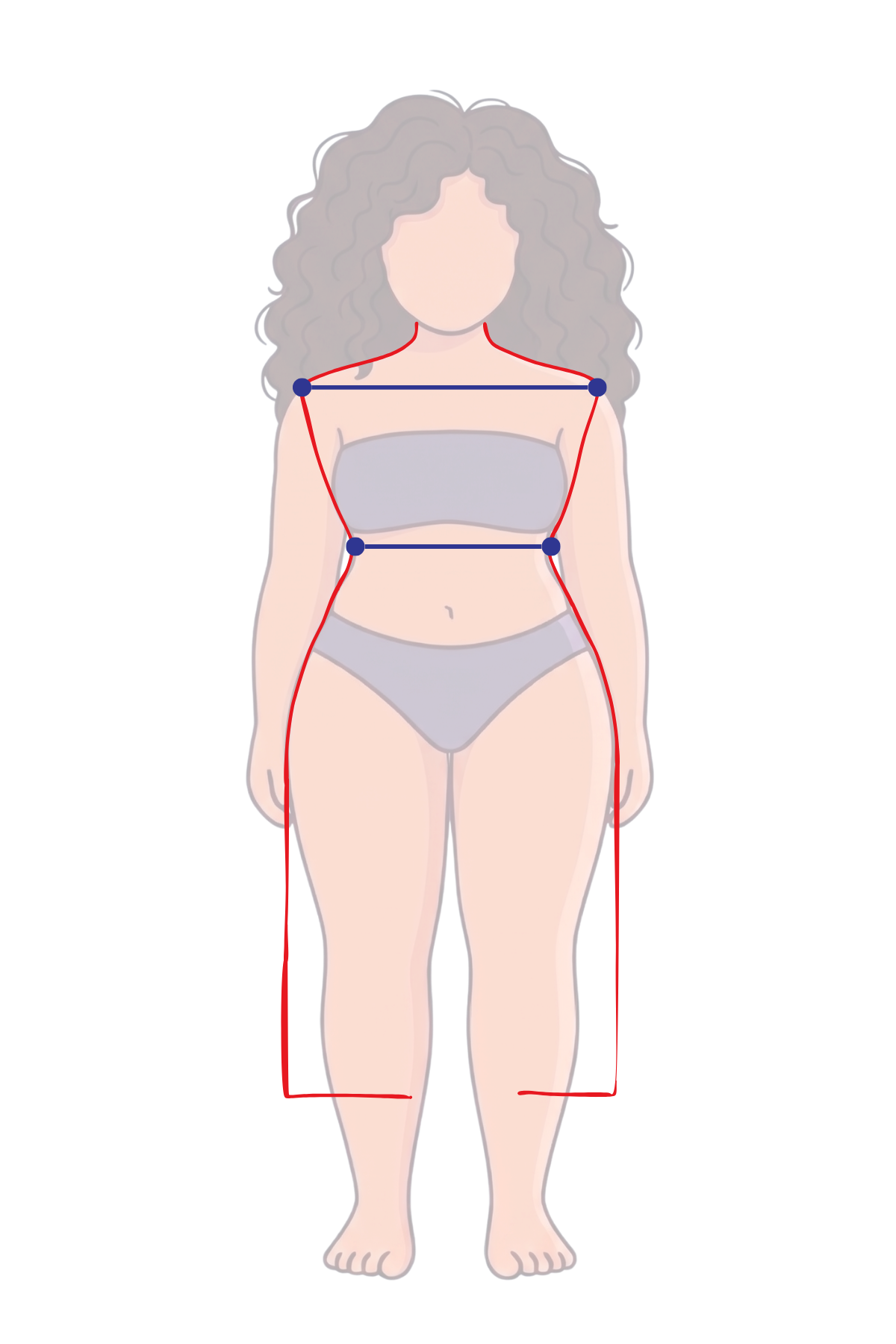
Soft Natural
Your silhouette has breadth through the shoulders that moves into a relaxed, gentle curve. The eye travels out and then around the body. Drape should reveal the curves without being stiff or tight — nothing fussy or overly structured.
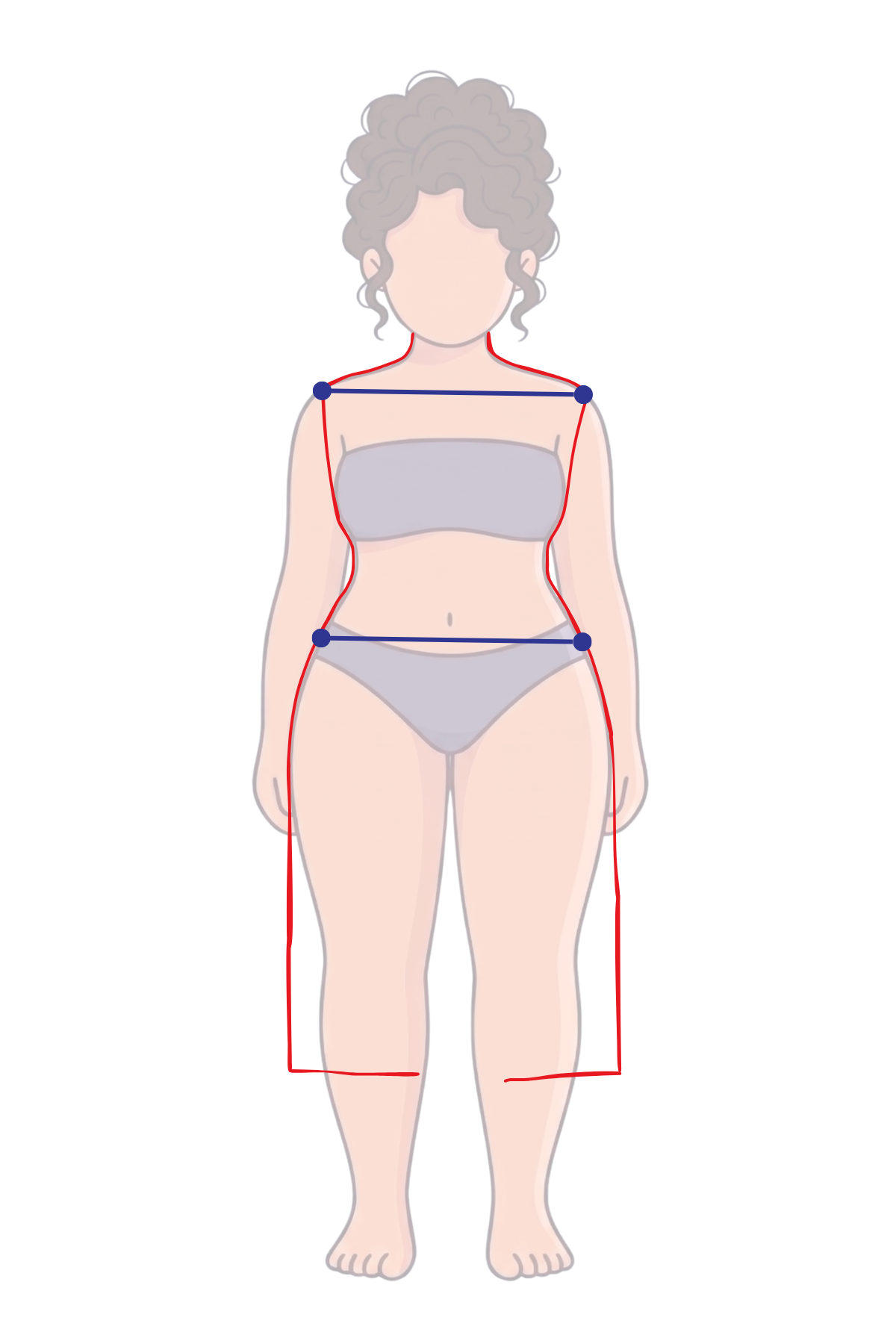
Soft Classic
Your silhouette is a smooth, clean line that softly skims gentle curves. The eye travels in one fluid, harmonious sweep with nothing extreme in any direction. Shapely without being tight — time-honored simplicity skewed toward the stylish.
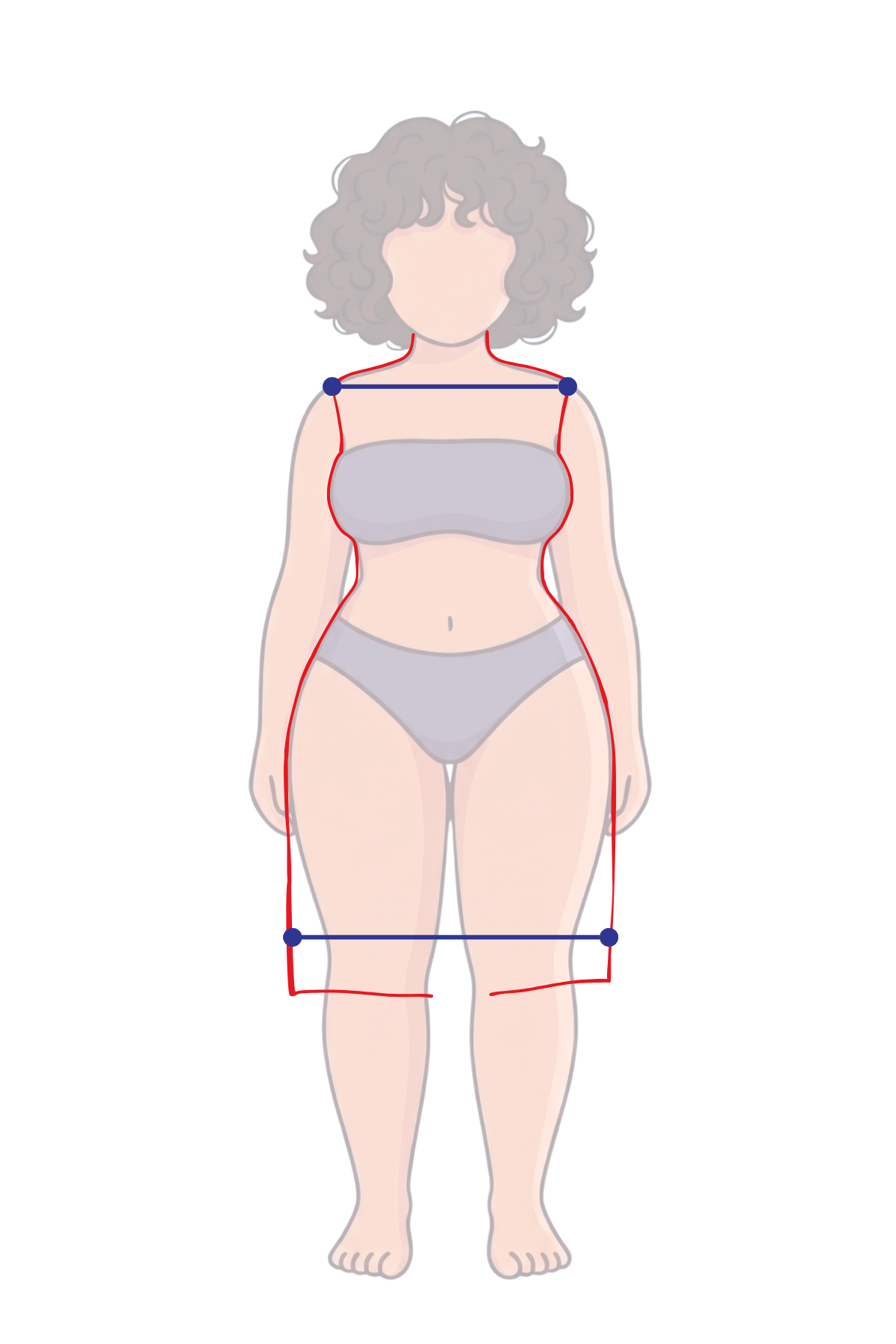
Soft Gamine
Your silhouette is built around gentle curves broken by detail — separate pieces and accent shapes layered on a curved base. The eye travels around your curves in a staccato rhythm. Any flow moves outward like a flounce, with the same crisp breaks. Detail is everything.
Understanding Yin-Yang Balance
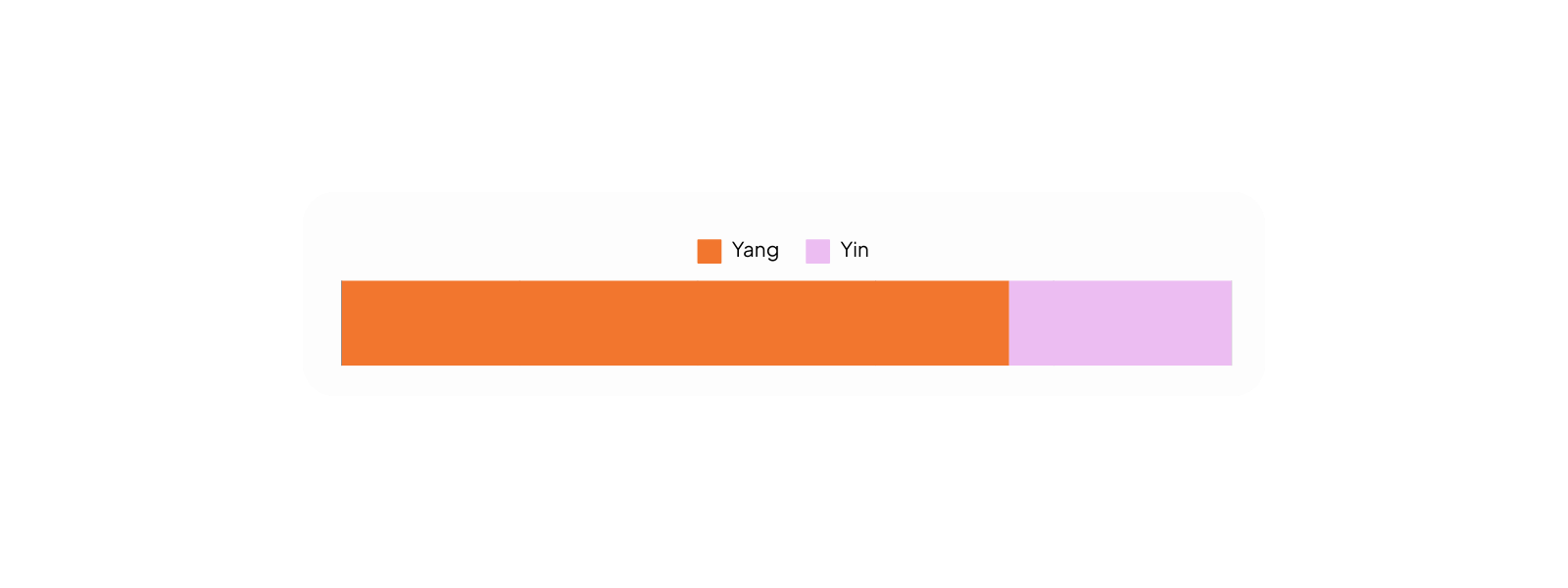
The Kibbe system is built on the balance of yin (soft, curved, compact) and yang (sharp, angular, elongated) in your body. By understanding these traits through sketching, you can identify your Image ID and dress in harmony with your natural lines.

Yang Traits
Associated with angular shapes, sharp lines, elongated silhouettes, and geometric forms like rectangles and triangles.
- • Straight, elongated lines
- • Sharp angles in bone structure
- • Longer vertical line (taller stature)
- • Broad or square shoulders
- • Narrow frame

Yin Traits
Associated with rounded edges, soft shapes, flowing lines, hourglass figures, and gentle curves.
- • Curves and roundness in silhouette
- • Soft, flowing lines
- • Shorter vertical line (petite)
- • Rounded shoulders
- • Full bust and hips
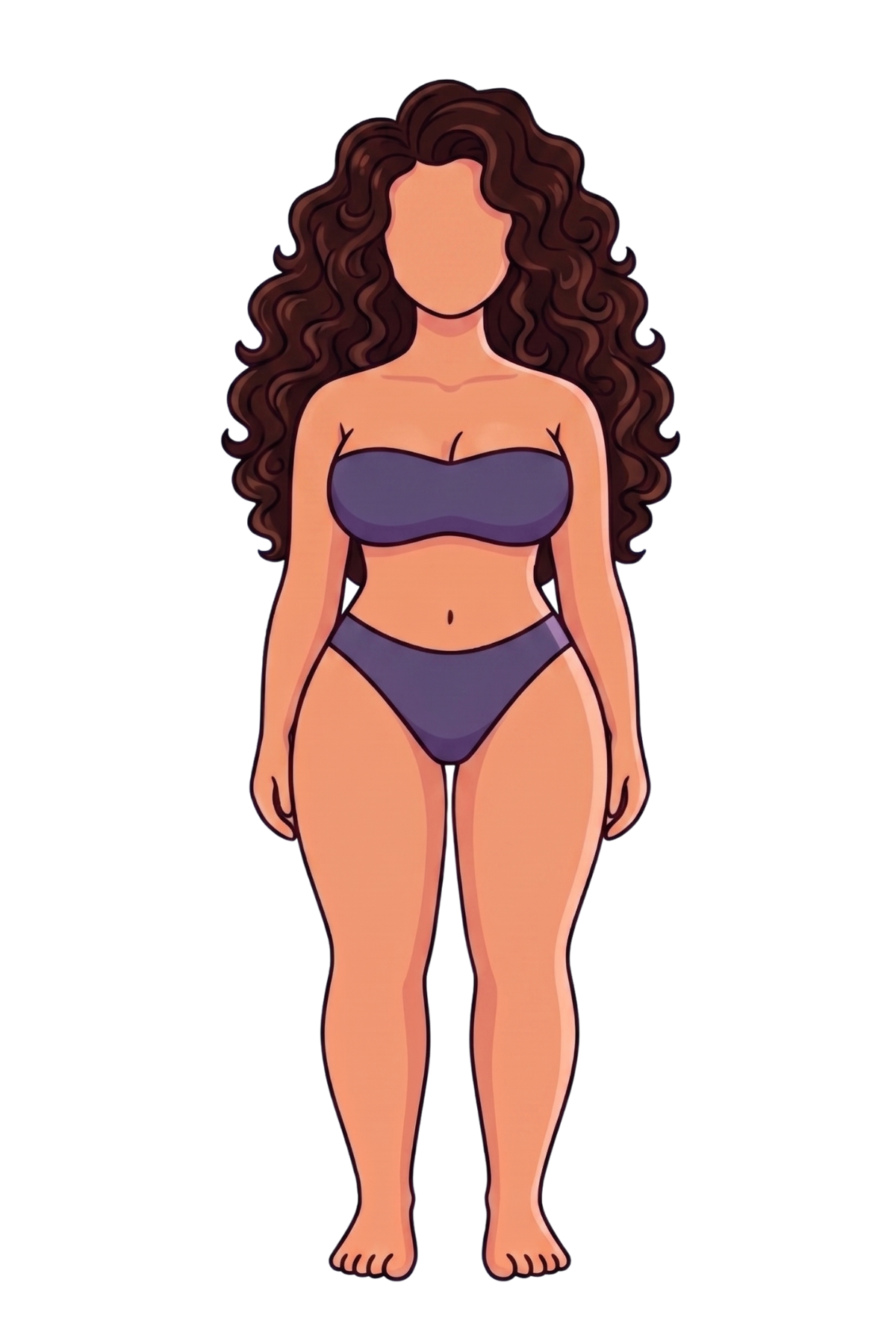
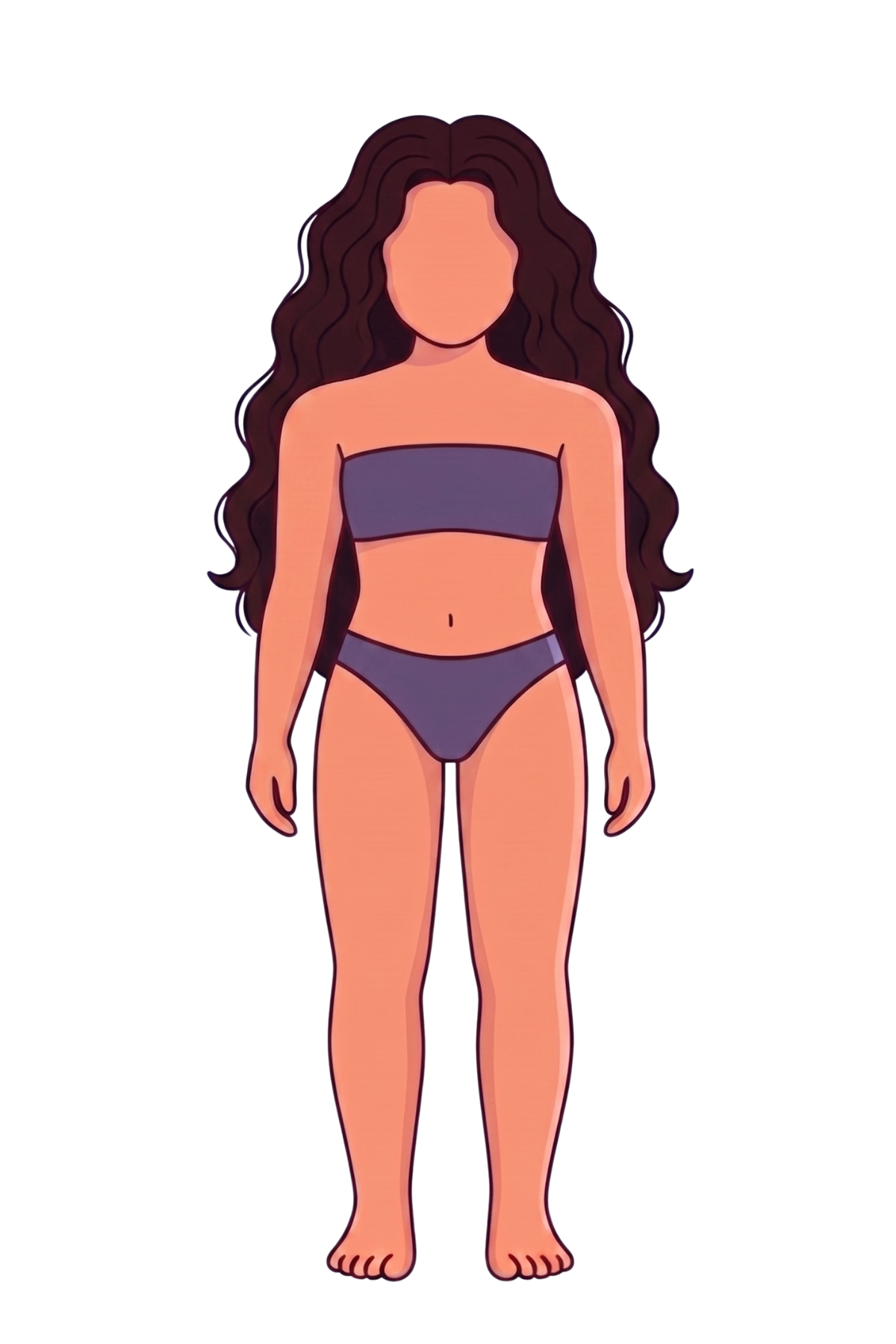
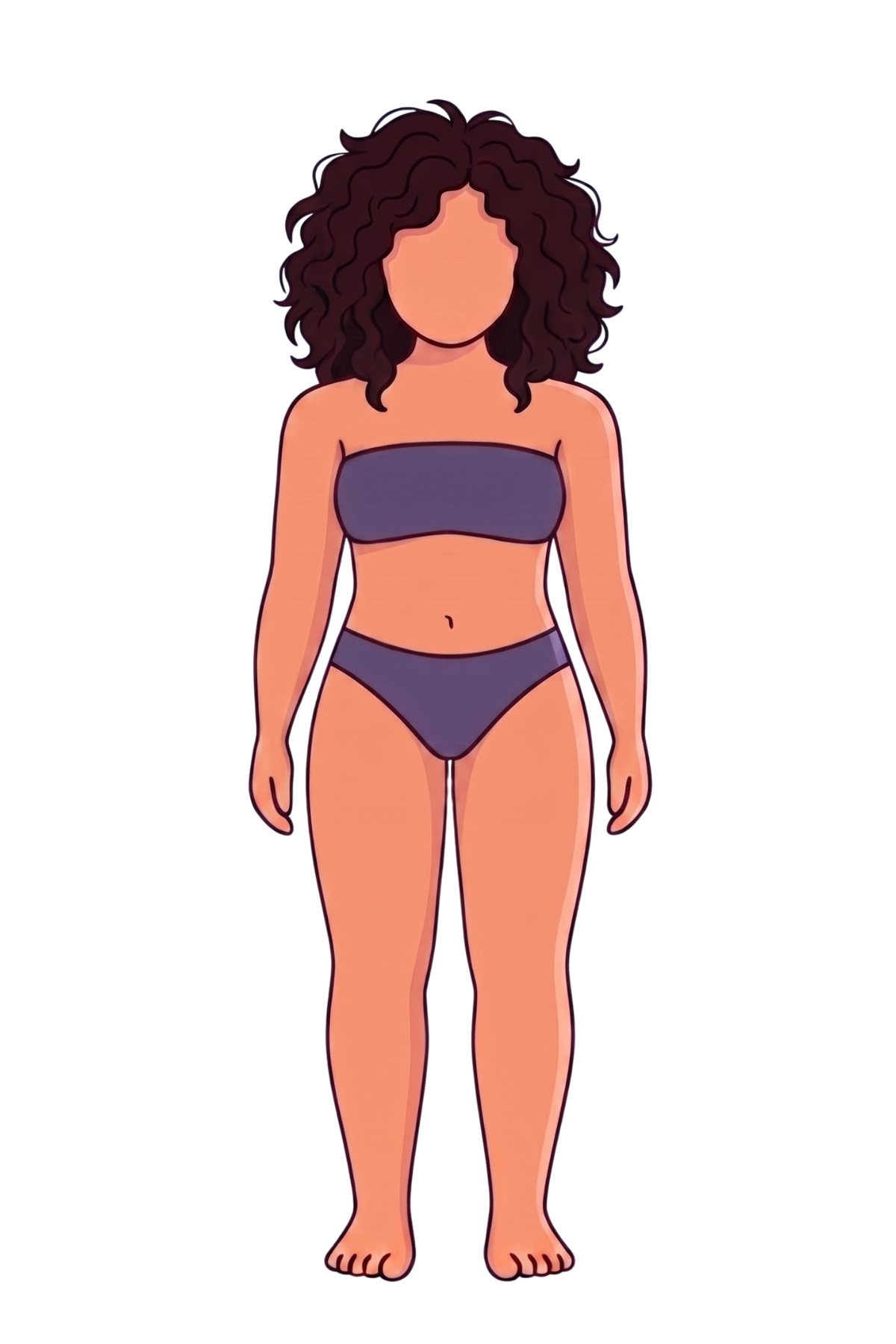
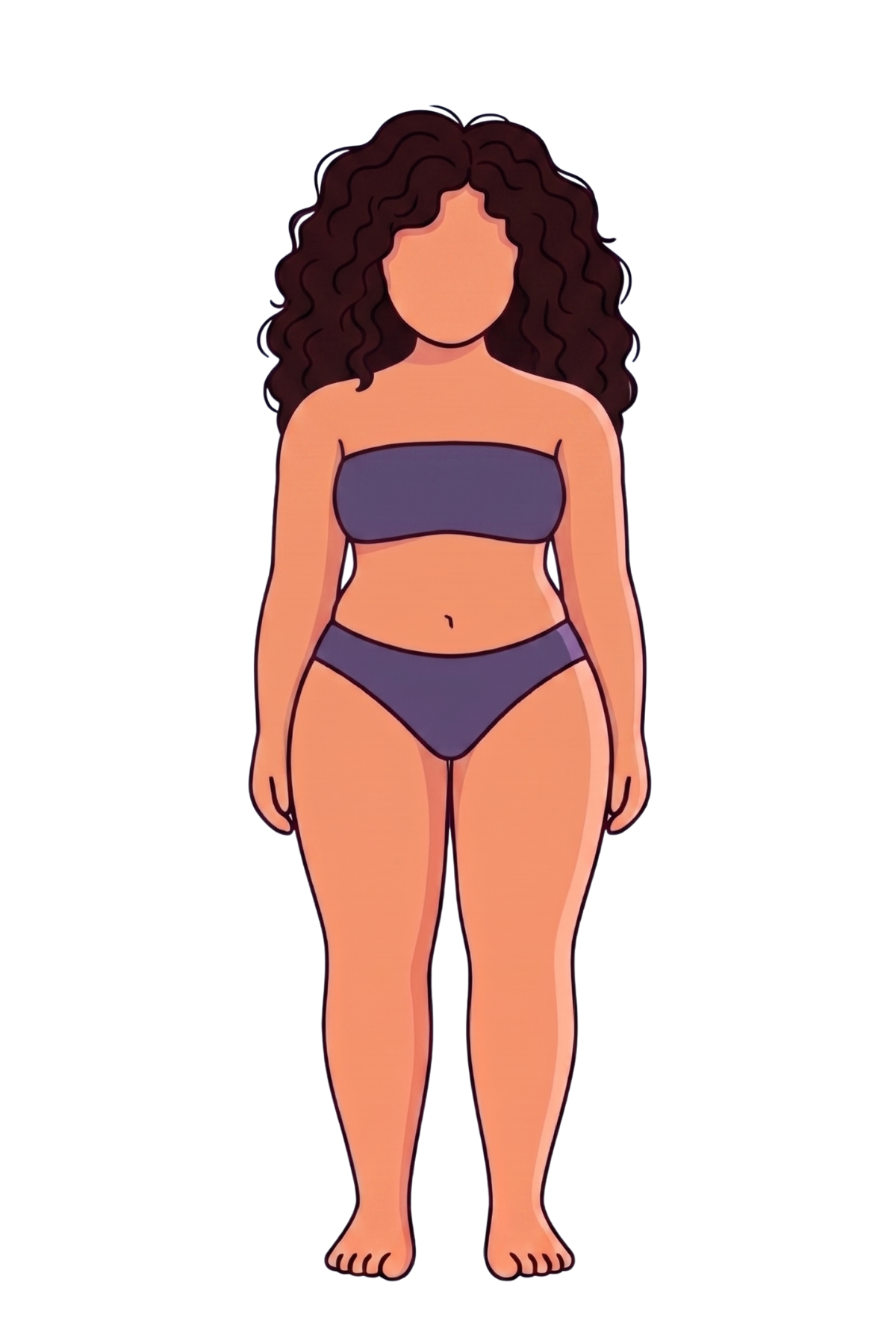
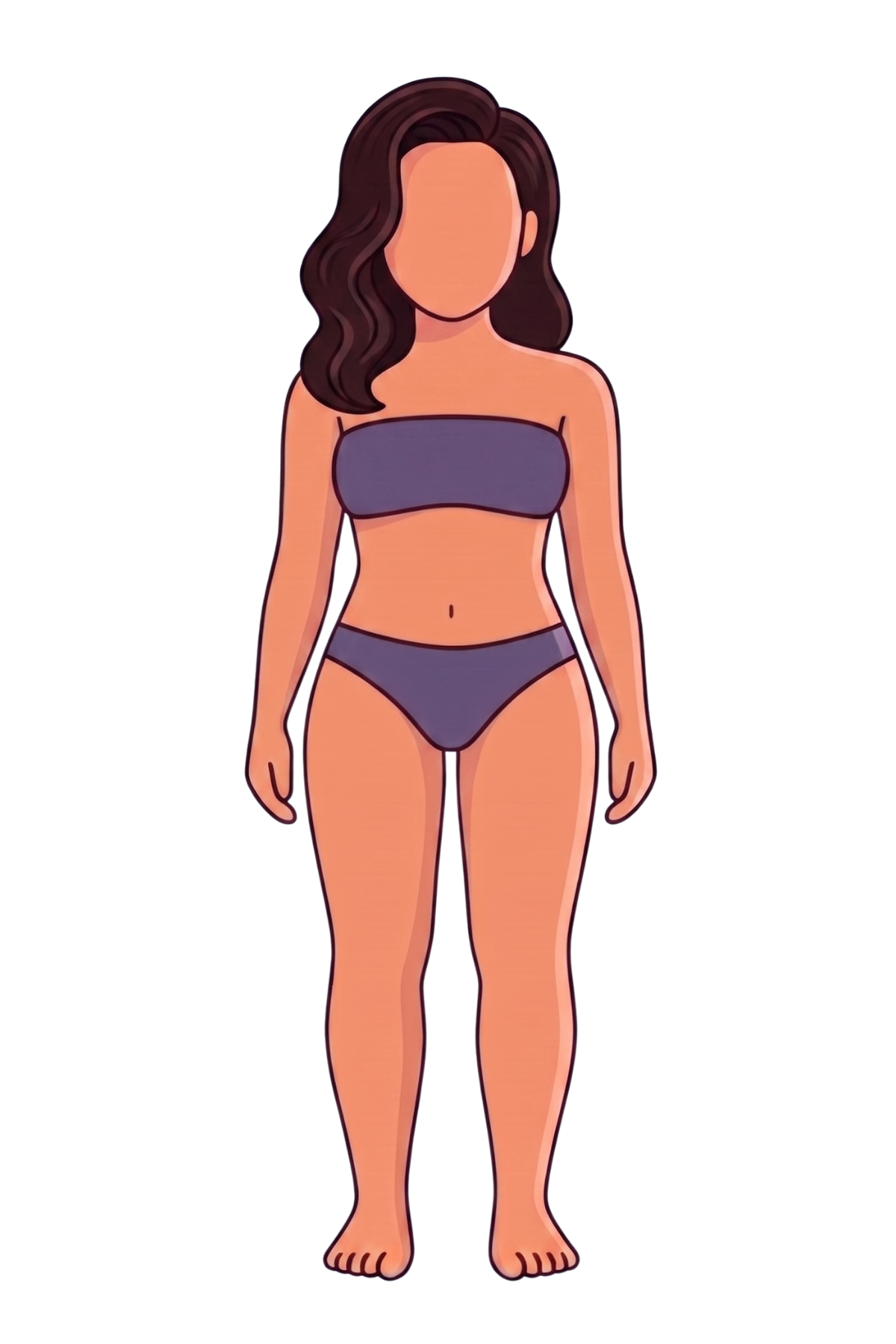
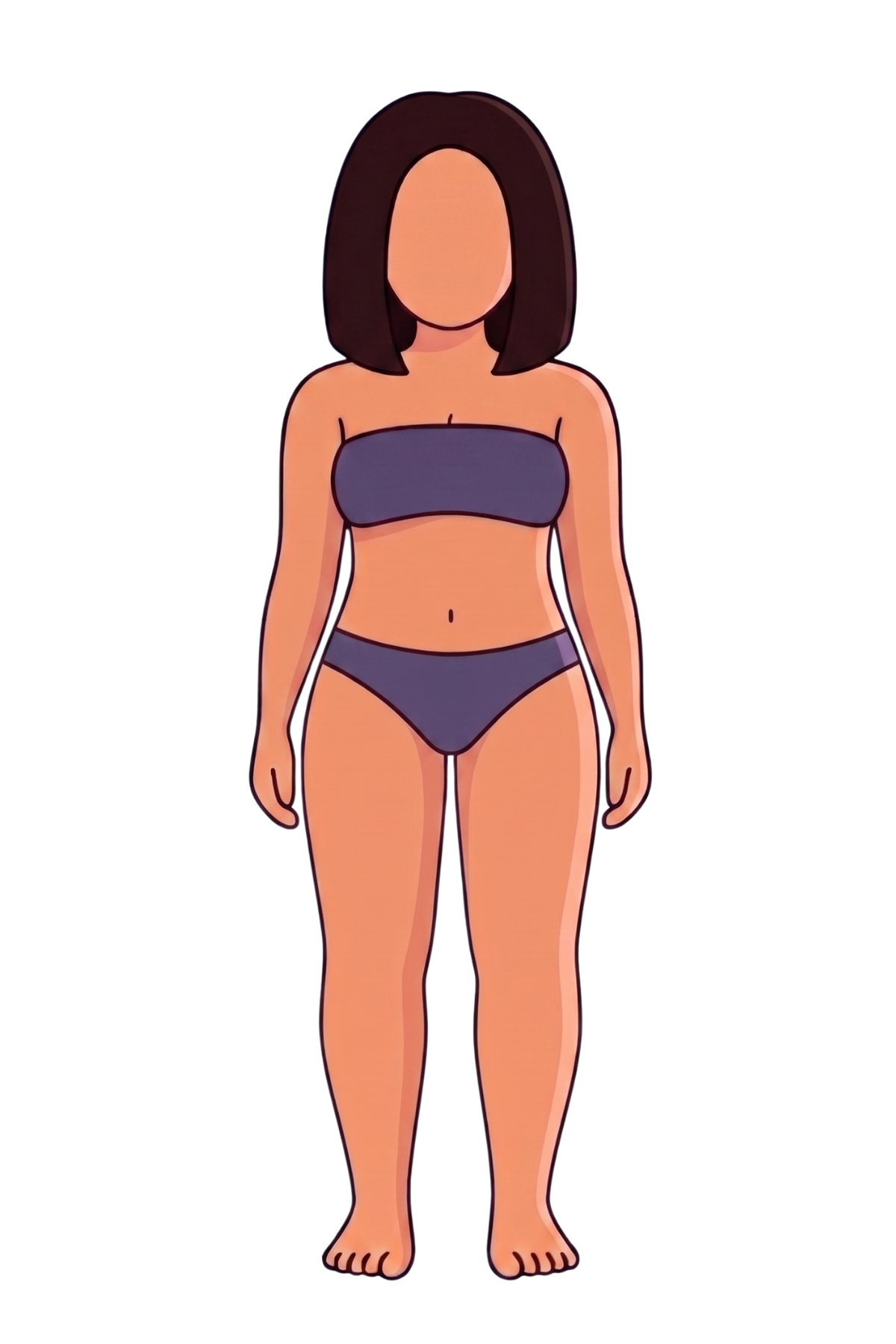
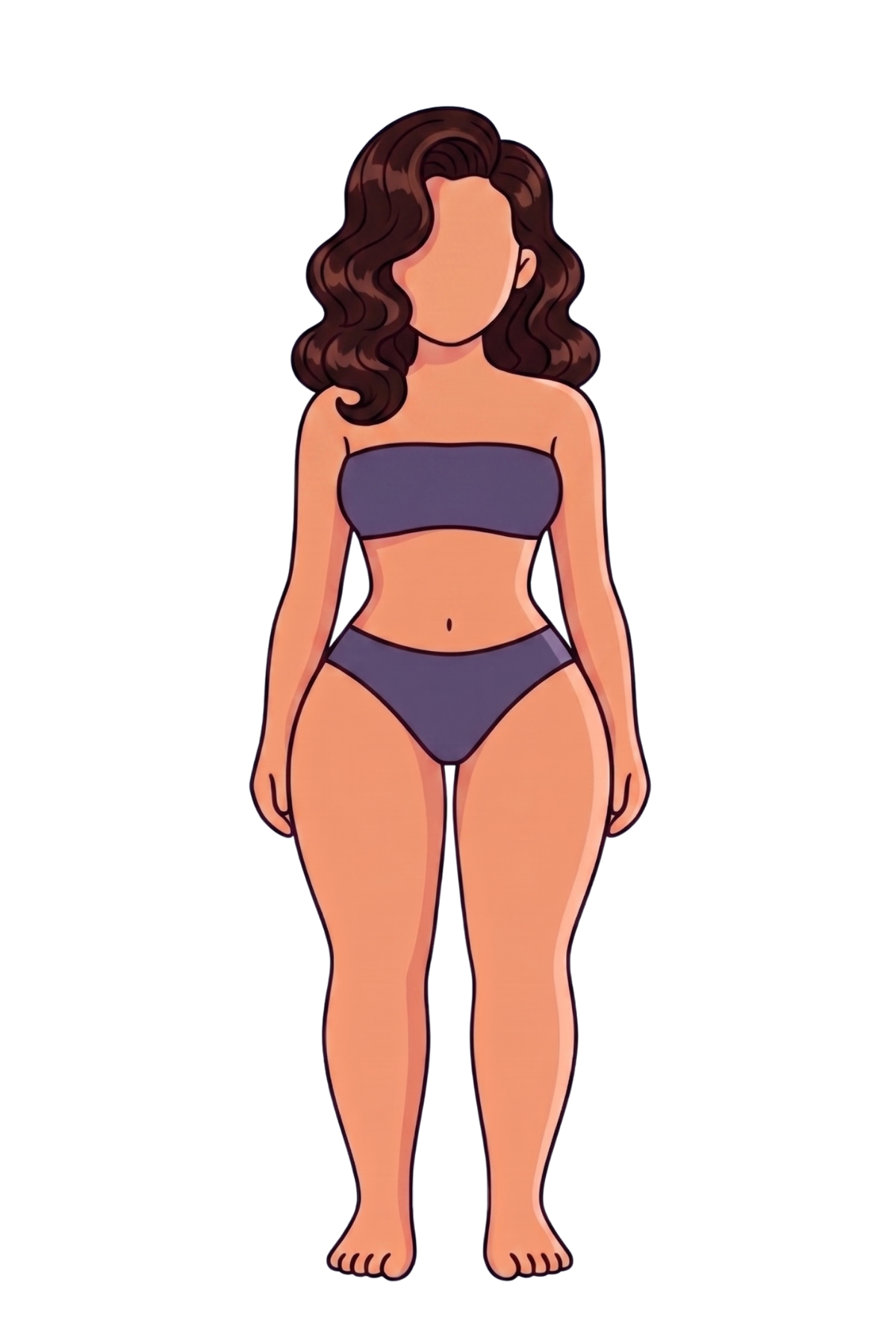
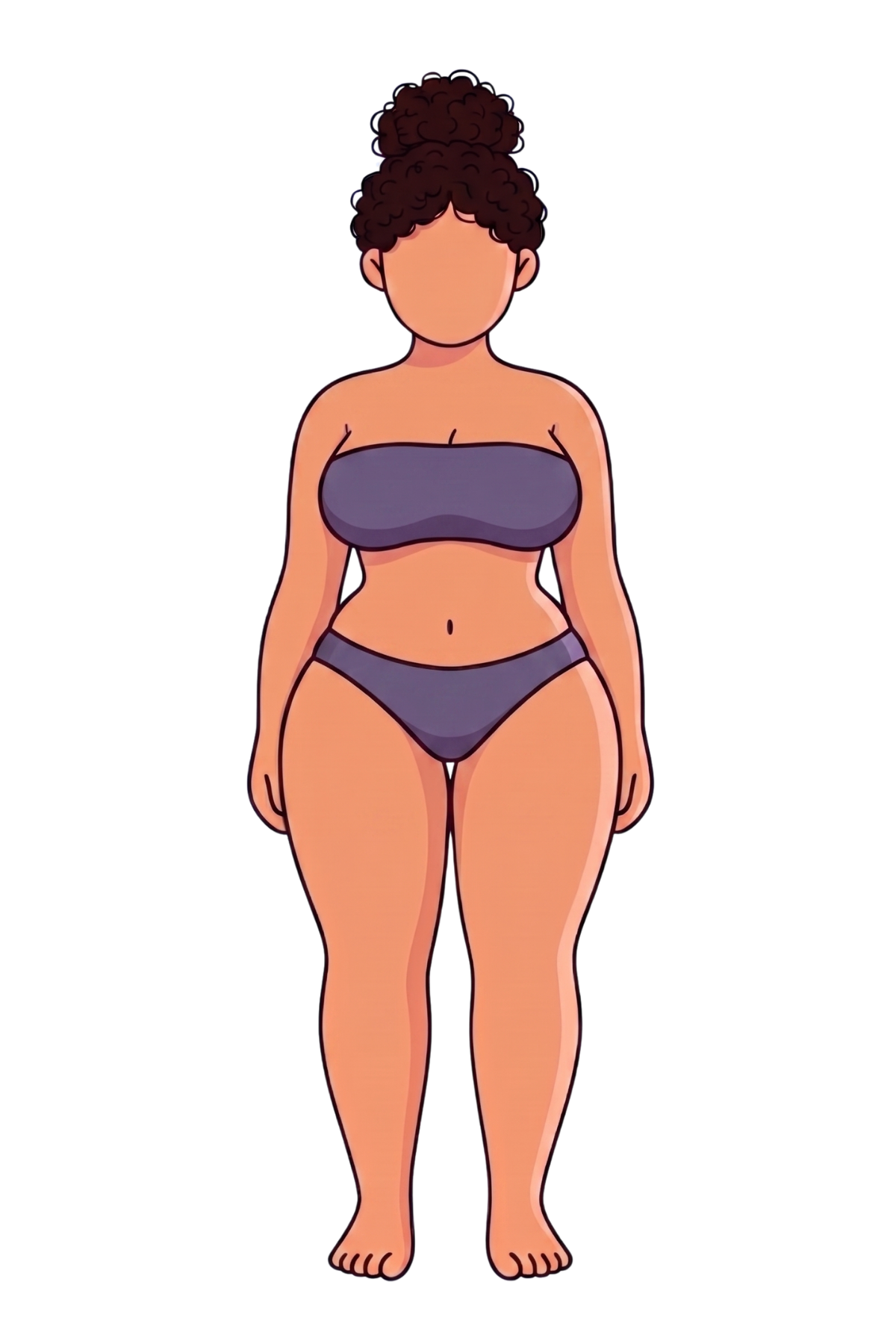
The Kibbe Sketch Process
See how the 3D body scanning process works across all 10 Kibbe Image IDs. Each type reveals unique bone structure and silhouette characteristics.
The Process: Our in-house 3D body scanning technology, combined with our advanced measurement system, creates an accurate analysis and visual output. This helps you understand whether your dominant element contains vertical or curve, as well as your additional elements.
Featured: Tilda Swinton
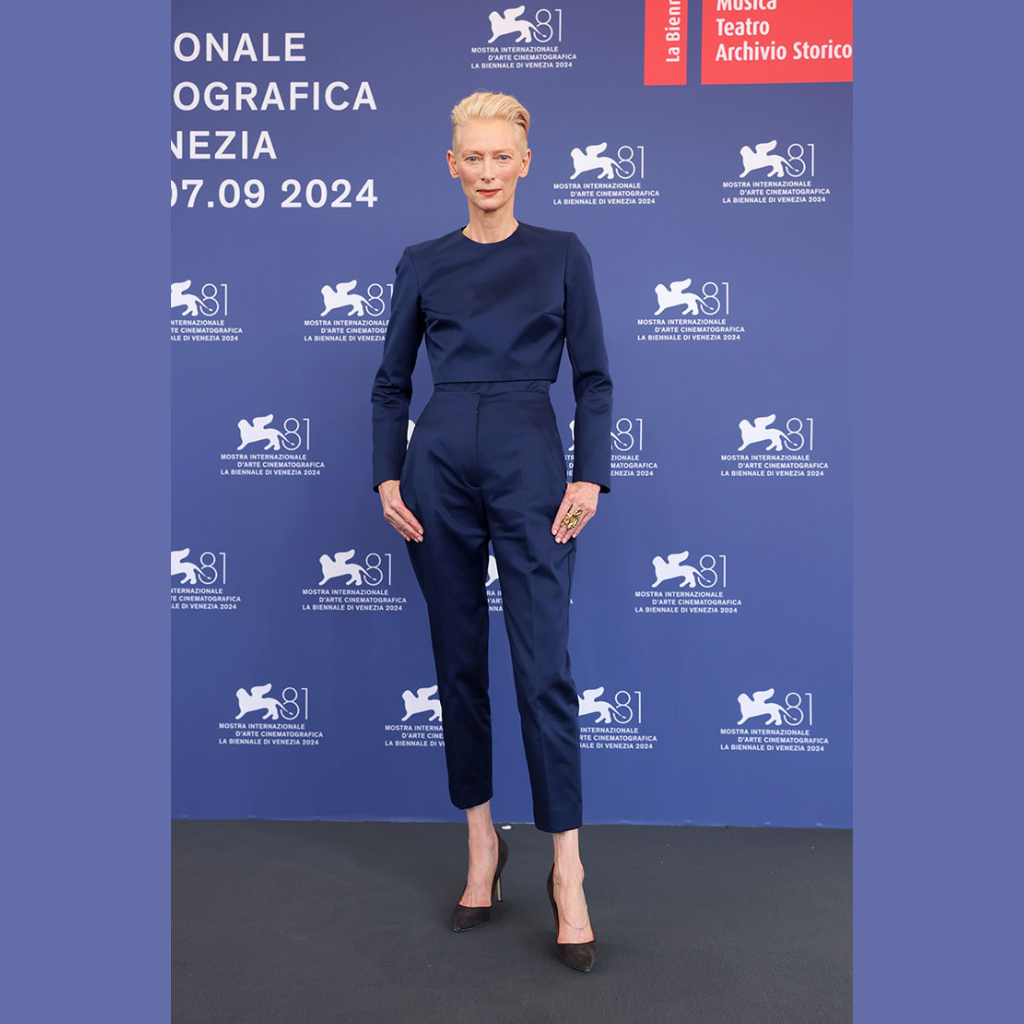
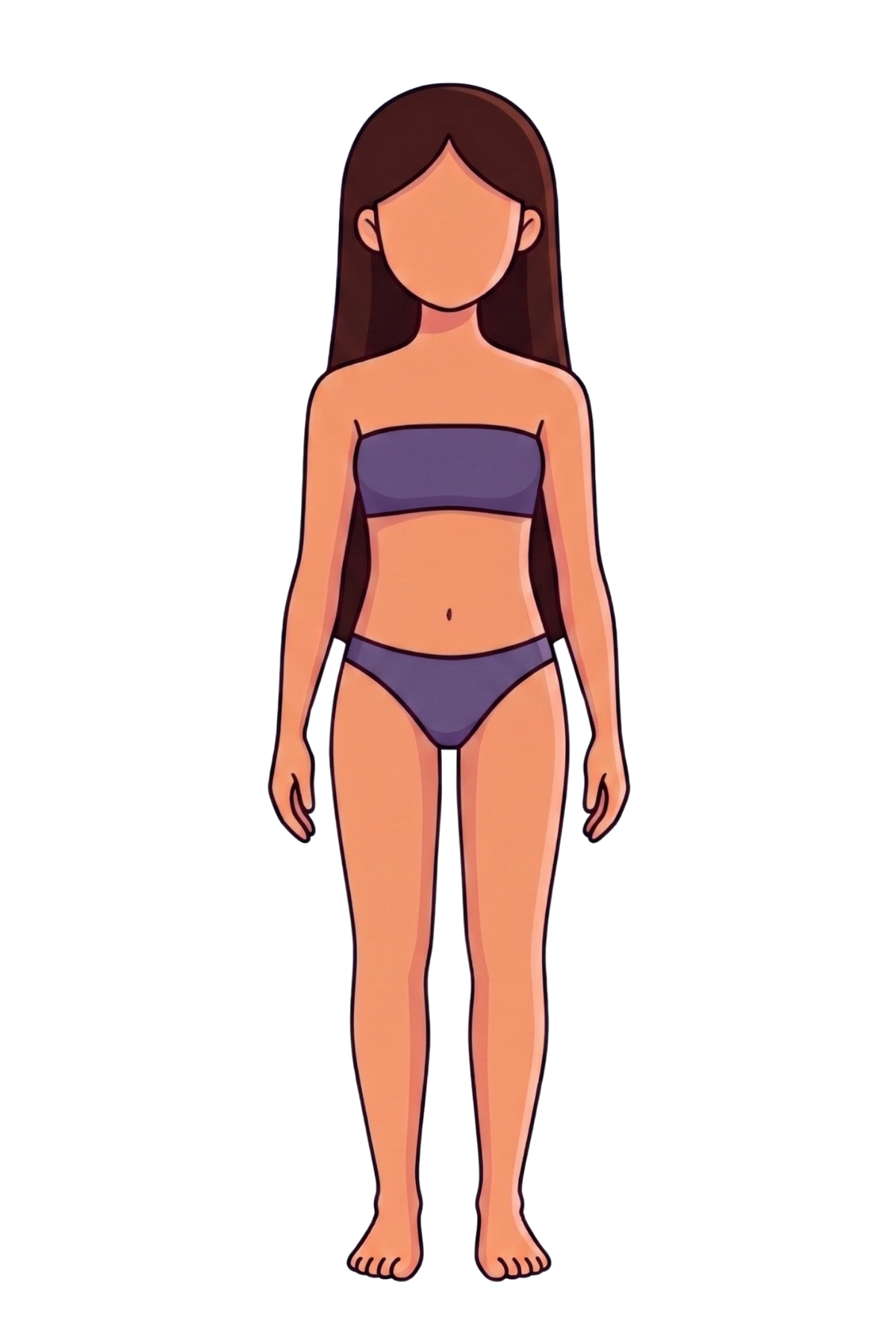
Original Photo
A full-body photo is captured with neutral pose and minimal clothing to accurately assess body proportions.
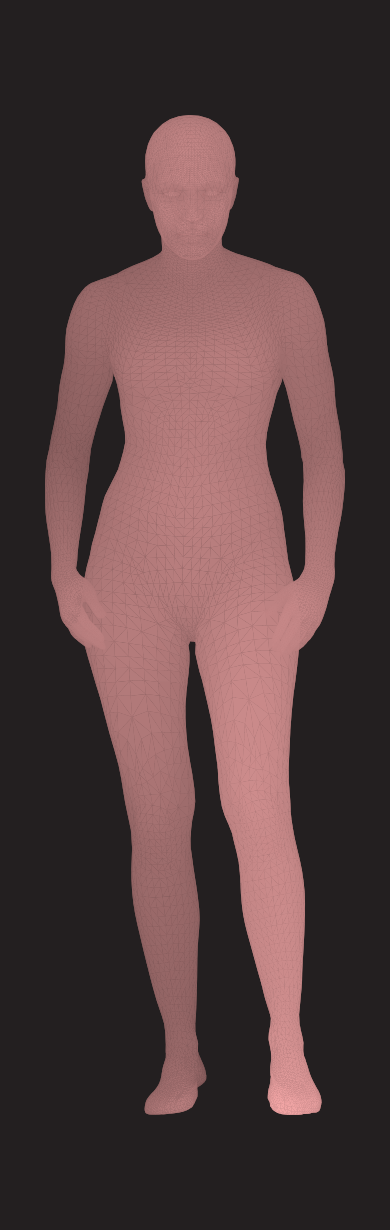
3D Body Mesh
Using advanced 3D body scanning, we generate a precise mesh model that captures the exact body geometry and proportions.
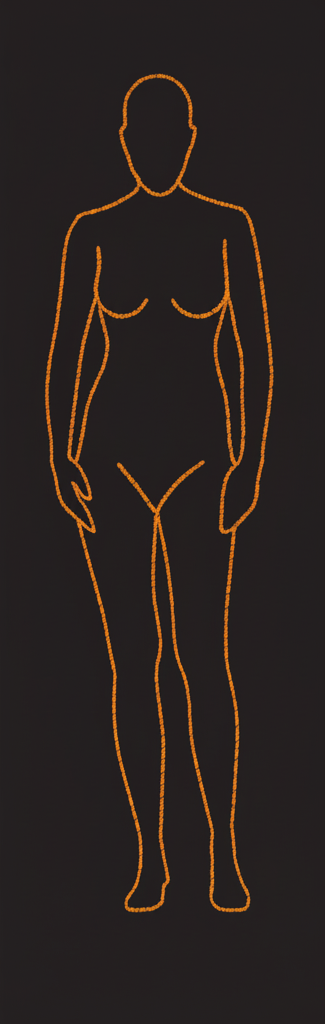
Sketch Lines
The mesh is traced into clean contour lines that highlight the key features: shoulder slope, waist definition, and hip curves.
Get Your Kibbe Type
The photo analysis uses Visual Body Mapping to identify your type automatically.
Photo Analysis
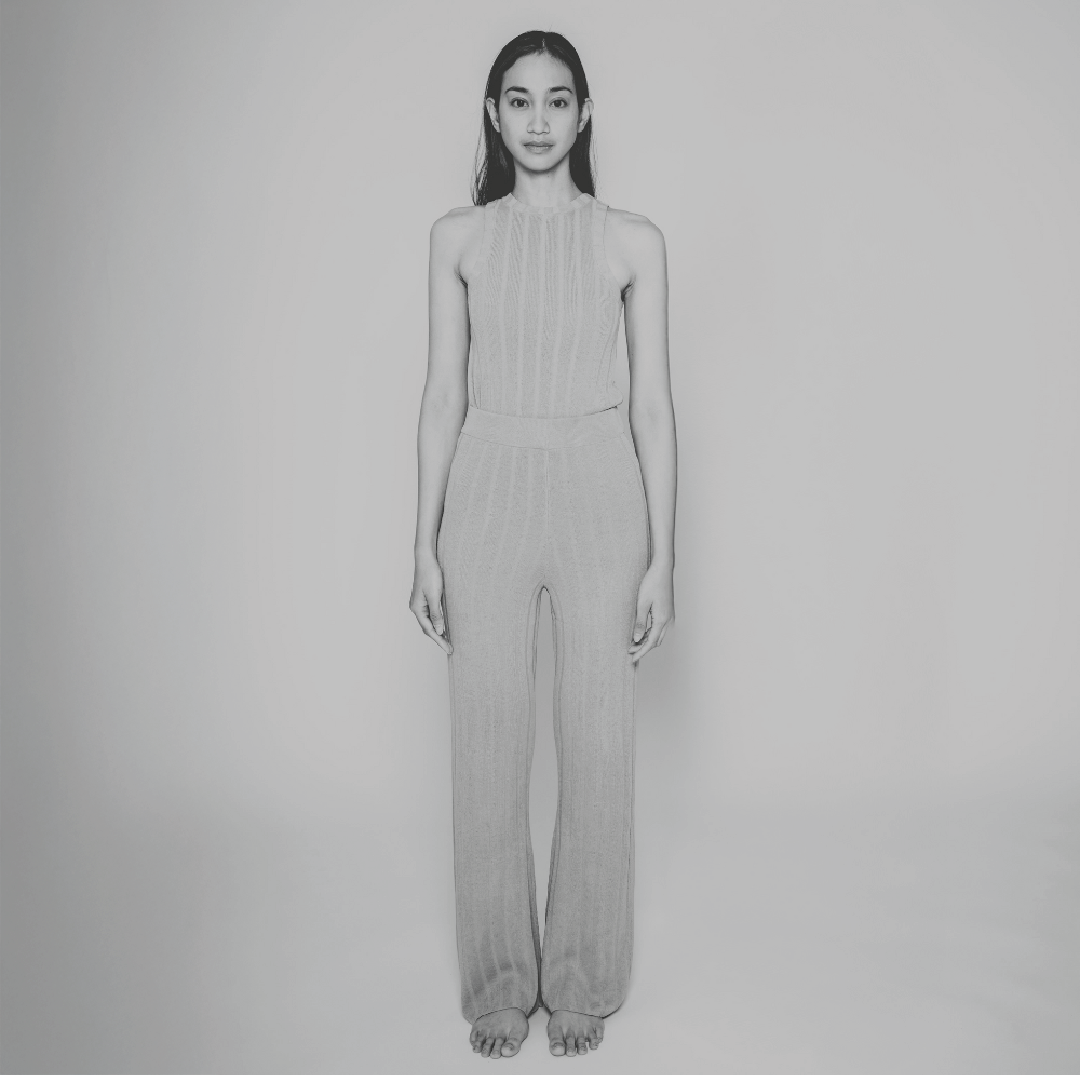
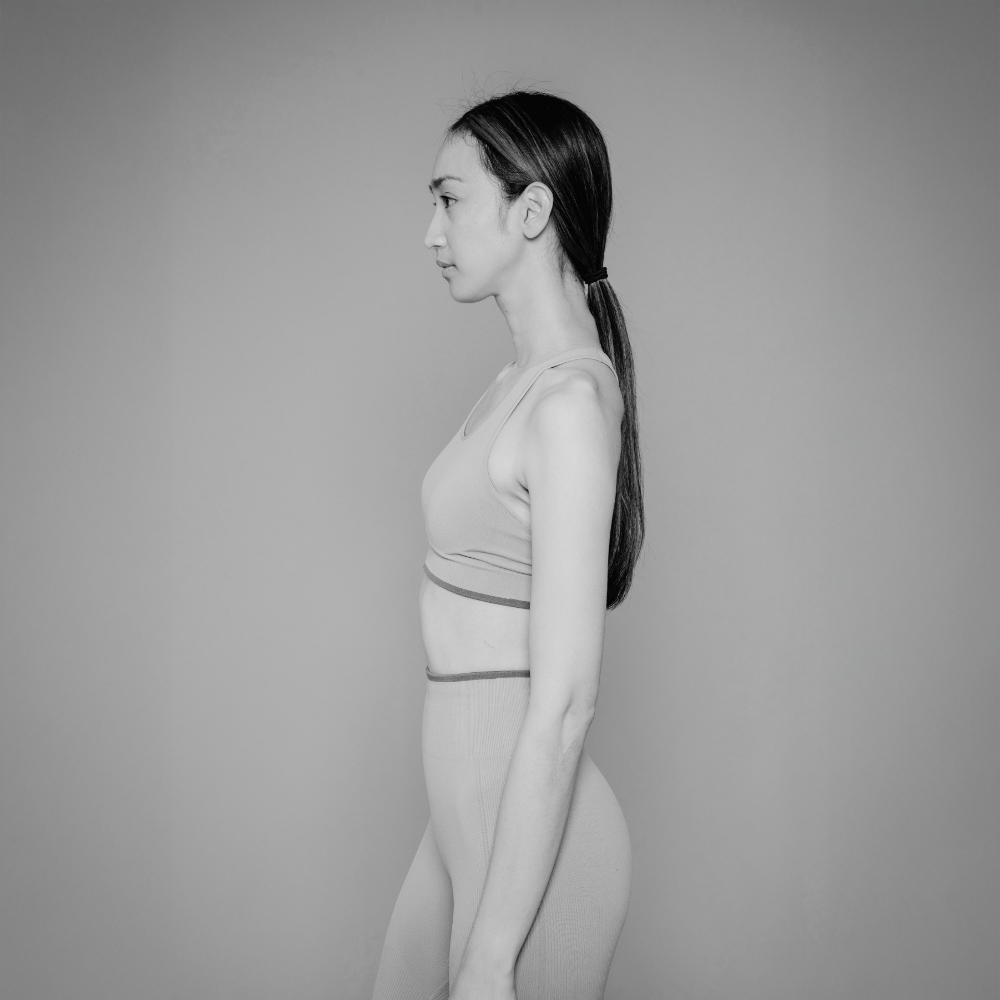
We capture precise measurements from your photos and identify your Kibbe type from your proportions, bone structure, and body lines. You can optionally receive a 3D mesh and sketch of your body with your results.
Take the Quiz
Results
Flamboyant Natural
Description
Flamboyant Naturals have a tall, broad look with relaxed, strong features. There's a natural strength and openness in this frame.
Nickname
"The Nonchalant Showstopper"
Yin-Yang
Personal Line
Characteristics
- Usually 5'6" and over
- Broad and strong frame
- Relaxed, defined structure
- Wide shoulders
- Subtle curves
Similar to
Mistaken for
Physical Features of a Flamboyant Natural
Broad, blunt bone structure with wide shoulders and muscular build. Long limbs with athletic frame and natural width through upper body. Strong facial features with broad jawline, large nose, and wide-set eyes.
These physical descriptions are from David Kibbe's original book "David Kibbe's Metamorphosis" (1987). His methodology has evolved significantly since then—in his 2025 book "The Power of Style," he explicitly states "NO BODY PARTS" and emphasizes discovering your Image Identity through Personal Line sketching (how fabric drapes on your body) rather than matching individual features. These descriptions are provided as historical reference, not a checklist for self-typing.
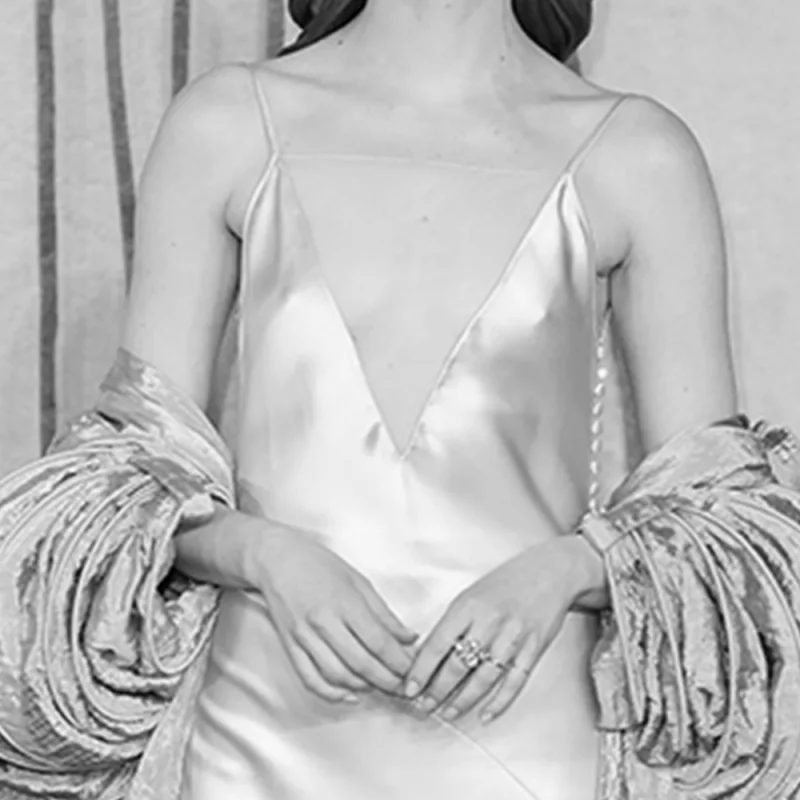
Strong Broad Shoulders
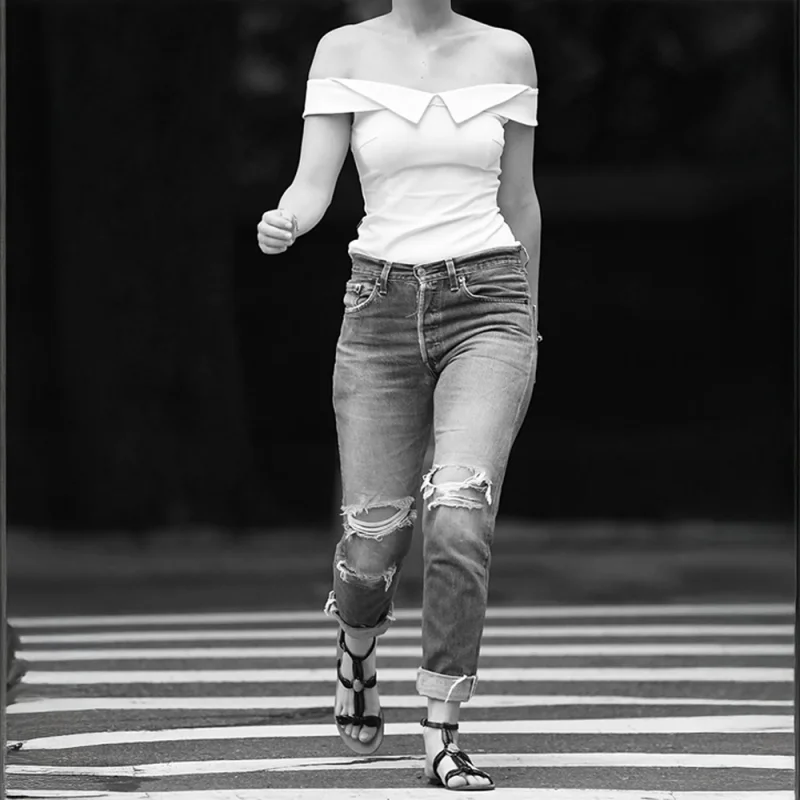
Long Broad Limbs
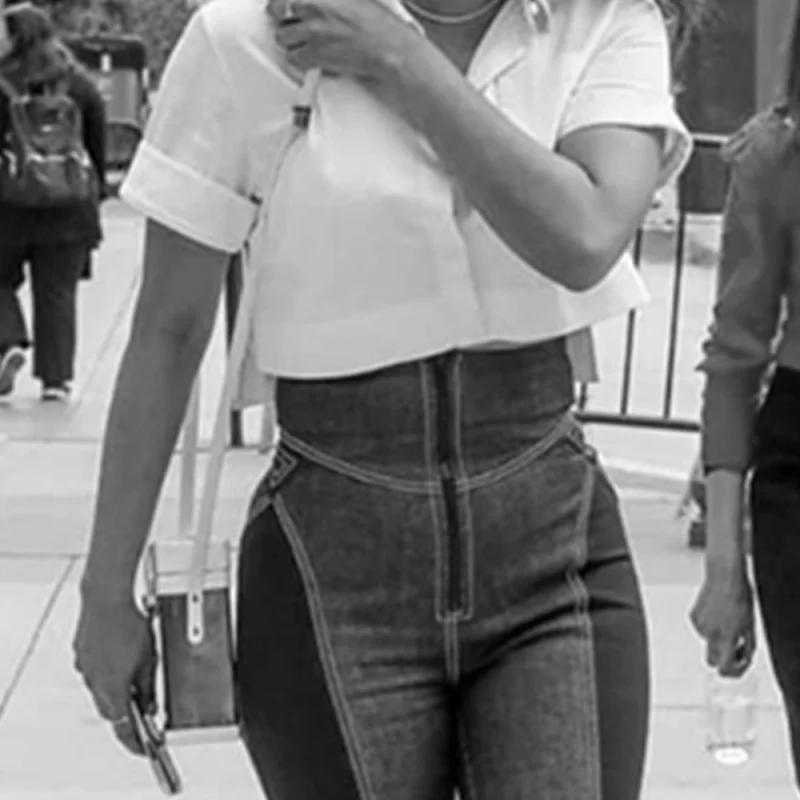
Tapered Wide Hips
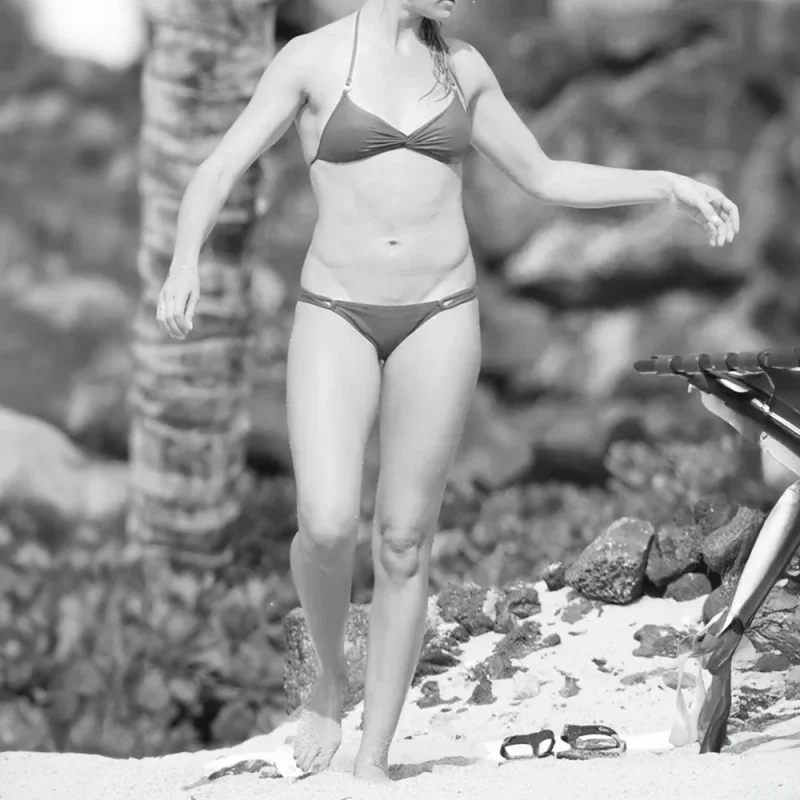
Broad Muscular Shape
The traditional approach to Kibbe typing. Answer questions about your bone structure, body flesh, and facial features. Still accurate, just not the modern visual method.