Kibbe Body Logo

Book Summary

Comprehensive reference to David Kibbe's transformative style books.

Note: David's words are far more beautiful than anything I can write here. He truly encourages readers to take his words in—every word is carefully selected and placed. This is simply my summary of the book.

The Power of Style

David Kibbe • 2024

The definitive guide to discovering your personal style through Love-Based Beauty. This comprehensive book introduces the DIY Method, 15 interactive games, and a complete 8-step journey to authentic self-expression.

Buy the Book →

Book Sections

0

Introduction - Foundations of Style

This opening section sets the stage for a transformative journey of self-discovery through style, guided by David Kibbe's unique approach. Moving beyond conventional style rules, the book champions individuality and celebrates unique characteristics, emphasizing that BEAUTY COMES FROM INDIVIDUALITY and STYLE EVOLVES FROM IDENTITY. The journey begins with an introduction to the core philosophy and the author's background. Kibbe intertwines his passions for Art, Beauty, and Metaphysics into his approach to style. He defines Style as PERSONAL ART, emphasizing that mastering the technique of style is crucial for transforming one's innate talents into a powerful form of self-expression. The book is dedicated to Susan Slavin, emphasizing a deep, eternal bond and expressing gratitude and admiration. This personal touch sets the tone for a journey of self-discovery rooted in love and acceptance. The author emphasizes collaboration, aiming to establish trust by sharing their background and motivations. The ultimate goal is "TO GIVE YOU YOUR WINGS!", leading you to "YOUR FREEDOM".

  • Beauty comes from individuality
  • Style evolves from identity
  • Style is personal art
  • The goal is personal freedom
  • Self-discovery rooted in love and acceptance
1

Redefining Style - Love-Based Beauty

This chapter lays the groundwork for a new understanding of style rooted in self-love, authenticity, and connection. It critiques traditional beauty standards based on fear and scarcity, offering a vision of "Love-Based Beauty" that celebrates individuality and inherent worth. Love-Based Beauty contrasts sharply with fear-based approaches. The foundational belief is that each person is born unique and perfect, embodying their true self. Traditional beauty standards are criticized for promoting insecurity and unattainable ideals. Instead, the chapter champions self-acceptance as the natural state of being. Building upon the idea of inherent worth, the chapter emphasizes the "stardust connection," reminding us that we are made of the same elements as stars. Each individual is encouraged to see themselves as the "STAR OF YOUR LIFE," with the potential to shine brightly. The chapter clarifies the distinction between style, fashion, and trend. Fashion is seen as a sibling to style, mirroring the times but often driven by business and marketing. Trend prioritizes quick profit and encourages constant consumption. In contrast, style is aspirational, timeless, and rooted in identity—the visual language we use to express our entire being. The core of authentic style emanates from self-love, self-acceptance, and self-celebration. These three elements form the foundation upon which true authenticity is built. True style is inclusive and creates a loop: starting with the individual, reaching out to others, and returning tenfold.

  • Love-Based Beauty celebrates individuality
  • You are the STAR OF YOUR LIFE
  • Style vs. Fashion vs. Trend distinctions
  • Style as a superpower for connection
  • Self-love, acceptance, and celebration as foundations
  • Style creates cyclical energy
2

The Nuts and Bolts - The DIY Method

This section introduces a revised and updated approach to style, building upon the author's previous work ("David Kibbe's Metamorphosis") while incorporating decades of experience, societal shifts, and technological advancements. The central theme is the evolution of style, emphasizing that it's a dynamic, ever-evolving concept, not a static set of rules. The updated methodology emphasizes individuality and inclusivity, aiming to express beauty through a multicultural lens and expanding beauty standards. A key tenet is the rejection of objectivity in style, acknowledging that "Objectivity is a hoax" and embracing the subjective nature of perception. This means moving away from rigid systems like quizzes and "typing" (stereotyping) that rely on incomplete information. Instead, the focus is on authentic experience and understanding how we truly experience ourselves. The DIY method is introduced as a guided journey of personal discovery, designed to help individuals uncover the elements that contribute to their unique style. The emphasis is on "intelligent subjectivity," using techniques to harness our personal experiences to move forward. The ultimate goal is "enlightened subjectivity"—the "AHA!" moment when everything comes together. The new approach provides tools for enhancing, clarifying, and focusing on natural beauty, with a guiding principle of "Working in Harmony with Nature." This involves understanding two key aspects: - Season: Your painting (harmonious colors) - Image Identity: Your sculpture (complementary outlines)

  • Style is dynamic and evolving
  • "Objectivity is a hoax"—embrace subjectivity
  • The DIY Method for self-discovery
  • From intelligent to enlightened subjectivity
  • Season = Your painting (colors)
  • Image Identity = Your sculpture (silhouette)
3

The Workbook - Games & Your Style Journey

"The Workbook" takes you on a transformative journey to discover and express your authentic style through 15 carefully designed games and 8 progressive steps. It emphasizes that true style originates from within, rooted in self-love, dreams, and a deep understanding of one's unique qualities. The Foundation (Games 1-5): The journey begins with cultivating self-acceptance through "My Three Loves," where you identify and appreciate three aspects of your physical self. "Let's Go to the Movies" explores Old Hollywood artistry, while "The Carrot and Your Cake" uses dreams to shape your style reality. "Potluck" identifies hidden biases, and "Don't Fence Me In" creates your inspirational dream board. Step 1 - Image Identity (Games 6-7): Discover your Yin/Yang balance through emotional exploration and imagining your ideal Yin and Yang soirees. Step 2 - Personal Line (Game 8): Define your Personal Line by identifying your Dominant element (Vertical or Curve) and Additional element through the sketching process. Step 3 - The Transformations: Study real examples showing the integration of inner and outer qualities. Step 4 - Image Identities Overhauled: Learn how to navigate modern fashion while staying true to your Image Identity. Step 5 - In a Nutshell: Deep dive into each Image Identity family with iconic examples. Step 6 - Color (Games 9-11): Master color through "Be Still, My Heart," "Color Phantasias," and "The Yuck!" to discover your Season. Step 7 - Putting It Together (Games 12-13): Apply conscious styling through "Lazy Plus" and "Dream Job/Dream Event." Step 8 - Victorious Shopping (Games 14-15): Transform shopping into empowerment with "My Three Loves (Dressing Room)" and "Deservin' the Dress!"

  • 15 interactive games for self-discovery
  • 8 progressive steps in your journey
  • Foundation: Self-love and dreams (Games 1-5)
  • Discover Yin/Yang balance and Personal Line
  • Master color and seasonal palettes
  • Culminates in victorious shopping
4

Love Is in the Hair - Hair Color & Style

This chapter emphasizes the crucial role hair plays in completing and enhancing your overall image. Hair should be viewed as an integral part of the whole, harmonizing with existing features, style, and identity, rather than being treated as a separate entity. Hair Color: Achieving Harmony and Focus The core principle is that hair color must harmonize with natural skin and eye color, forming a unified triad defined by base (warm vs. cool) and depth (clarity vs. dimension). Understanding these concepts is essential for selecting a complementary color. Seasonal Hair Color Recommendations: - Winter: Cool and vivid colors, high contrast (Black, cool browns, silver, white) - Autumn: Warm and rich colors, medium contrast (Warm browns, auburn, deep honey blond) - Summer: Cool colors with subtle dimensions, medium contrast (Cool browns, cool blonds, frosty gray) - Spring: Warm and clear colors, light/bright contrast (Golden blond, strawberry, clear red) Hairstyles: Timelessness, Shape, and Styling The chapter advocates for cultivating a "timeless hair" style rooted in authentic identity. It distinguishes between Shape (the cut itself, the architecture) and Styling & Finishing (methods to achieve the final look). A strong foundational shape enables hair to fall naturally and complement your overall appearance. Hair & Image Identity: The shape of your hairstyle should harmonize with your Yin/Yang Balance and Personal Line. Extreme Yang requires vertical, narrow lines with defined outlines. Extreme Yin requires curved outlines with soft edges. The chapter concludes with practical advice on communicating with hairstylists, emphasizing collaboration and visual cues. Hair is "the crown you top your style with."

  • Hair harmonizes with skin and eye color
  • Understand Base (warm/cool) and Depth (clarity/dimension)
  • Seasonal hair color recommendations
  • Shape vs. Styling distinction
  • Connect hair to your Image Identity
  • Collaboration with your hair artist
5

Let's Makeup - Simply You Technique

This chapter introduces the "Love-Based Beauty" makeup philosophy—a modern alternative that emphasizes enhancing natural beauty and achieving seamless integration with personal style. It challenges the conventional focus on "coverage" and "color correction" to mask perceived flaws. Core Philosophy Love-Based Beauty operates on the principle that beauty starts with self-acceptance and that makeup should enhance, not mask. Traditional techniques that prioritize covering the skin are seen as creating a "mask effect" that obscures natural beauty. This chapter reframes makeup as a tool for enhancement and definition. The Season-Based Approach and Three "Faces" The core technique revolves around season-based color analysis and the concept of three distinct makeup "Faces" (A, B, and C), each designed to complement different clothing colors. 90% of application comes from knowing your Seasonal coloring; the remaining 10% involves product design and techniques. This approach positions makeup as a simple accessory chosen based on your outfit, making selection less daunting. The key is coordinating colors in FAMILY (warm or cool) and INTENSITY (light, bright, or deep). The Simply You Makeup Technique A "watercolor approach" where all colors blend together seamlessly and into the skin, achievable in just five minutes. The technique emphasizes avoiding sharp lines, focusing on framing features, and using high-quality brushes for a soft-focus effect. The chapter provides detailed step-by-step instructions: preparation, concealer, foundation, translucent powder (two coats), blush, eyeshadow (highlighter, orbital, lid), eye pencil, eyebrow shaping, and mascara. Each step emphasizes blending for a natural, cohesive look.

  • Makeup should enhance, not mask
  • Season-based color analysis
  • Three "Faces" (A, B, C) for different outfits
  • 90% is knowing your Season
  • The 5-minute Simply You Technique
  • Watercolor approach—seamless blending
6

Myths, Mistakes & Misdirects - Internet Warnings

This chapter serves as a crucial warning against common pitfalls and harmful misinformation prevalent online that can impede your journey toward Love-Based Beauty and authentic Image Identity discovery. The Big Three No-Nos: 1. No Typing: This vehemently rejects assigning rigid labels like "Kibbe Body Types" as it forces individuals into predetermined boxes. Image Identity is fundamentally opposed to typing, emphasizing individual uniqueness. Your Image Identity is determined AFTER discovering your Yin/Yang balance and Personal Line—it's a result of self-discovery, not a starting point. Clothes do NOT have Image Identities. 2. No Reverse Engineering: Discovering your Image Identity is not about working backward by analyzing body parts, evaluating pre-existing clothing preferences, or scrutinizing photos. Such approaches are skewed by prejudices. Style is about discovering potential, not clinging to comfort zones. 3. Faulty Analysis (vs. DIY): Analyzing or "typing" others is fruitless and subjective. True analysis requires a trained professional using specific methods. This book adopts a DIY approach, empowering readers through engaging exercises. Other Key Clarifications: - Personal Line is NOT a visible feature—it's a technique for determining the relationship between your body and complementary silhouette - Avoid focusing on isolated body parts - Honor the design integrity of garments - Image Identity is NOT personality Red Flags: Be wary of thoughts starting with "I need...", "I must have...", "I don't...", "I can't...", or "I know...". Replace with "Let me try..." The Celebrity Trap: Avoid using celebrities as style templates. THERE IS NO CELEBRITY AS MARVELOUS AS YOU—YOU ARE THE STAR OF YOUR LIFE!

  • NO Typing—reject rigid labels
  • NO Reverse Engineering—don't analyze backward
  • NO Faulty Analysis—embrace DIY instead
  • Personal Line is a technique, not a body feature
  • Image Identity is NOT personality
  • Avoid the celebrity trap—YOU are the star
7

From My Picture Window - Reflections on Style

This chapter encapsulates the author's reflections on the evolving nature of style and its profound connection to personal growth, relationships, and spreading joy. Style transcends mere aesthetics—it's a dynamic expression of self, purpose, and connection to the world. The Evolution of Style Through Time The chapter traces style development across life stages. Early influences, often parental, shape initial understanding. Adolescence is marked by experimentation and trend-following. Around age twenty-five, a shift often occurs as individuals connect style to greater purpose. The section addresses ageism, warning against adopting styles dictated by societal expectations rather than authentic expression. Relationships as the Core of Elevated Style Making an impact on others and the joy from interactions are defining elements of evolved style. Style is a visual language that requires an audience. Connecting with others is essential for true empowerment, creating a "CIRCLE OF LOVE" through shared energy. The Joy of Special This section advocates for intentionally incorporating joy into style to uplift yourself and others. The Golden Rule applies—dress with your "best self" to bring joy to the world. Finding joy in getting dressed signifies claiming your purpose. The Exercise: Embrace "The Joy of Special" 1. Pick a special place that exceeds your usual casual outings 2. Dress like your life depends on it 3. Be a style leader—take initiative Expected outcomes: receiving different treatment, bringing joy to the environment, and discovering the power of style to affect atmosphere and people. The guiding principle: embrace THE JOY OF SPECIAL, using Love-Based Beauty as fuel and the Power of Style as your secret weapon.

  • Style evolves with personal growth
  • Relationships are core to elevated style
  • The Circle of Love through connection
  • The Joy of Special—dress with intention
  • Be a style leader
  • Your style affects the world around you
8

Epilogue - Continuing the Journey

The epilogue serves as a final farewell and reinforcement of the book's core message, emphasizing the ongoing nature of self-discovery and style evolution. Style as a Journey, Not a Destination The central theme—that style is a continuous journey rooted in one's evolving identity—is reiterated. Style shouldn't be static but should grow with the individual. This book provides a framework, but the journey continues long after the final page. The Power of Joy Joy is highlighted as the "rocket fuel" that empowers personal style. Self-expression should be enjoyable and fulfilling. Style is a superpower that is fueled by JOY. Sharing Your Light Readers are encouraged to share their unique light with the world. Style can be a positive force, not just for personal transformation, but for everyone you encounter. Acknowledgments The book closes with gratitude to Susan Slavin for her indispensable contributions, the visual team including photographer Maurizio Bacci and illustrator Chandan Kumar Mohanty, the publishing teams, and the "Kibbe World" online community including the "Strictly Kibbe" Facebook group. About the Author David Kibbe is an internationally renowned beauty/style expert with over four decades of experience, known for his "Head-to-Toe Transformation" approach. His previous book, "David Kibbe's Metamorphosis" (1987), established his legacy in the field. The reader is left with encouragement to live beautifully, celebrate themselves, and share their light with the world. The journey of self-discovery and style is ongoing—and you are always welcome to return to this book for guidance.

  • Style is a journey, not a destination
  • Joy is your rocket fuel
  • Share your unique light with the world
  • Gratitude to collaborators and community
  • Your journey continues beyond the book
  • Live beautifully and celebrate yourself

Discover Your Kibbe Identity

Our photo analysis uses the sketching method to identify your type automatically.

Photo Analysis

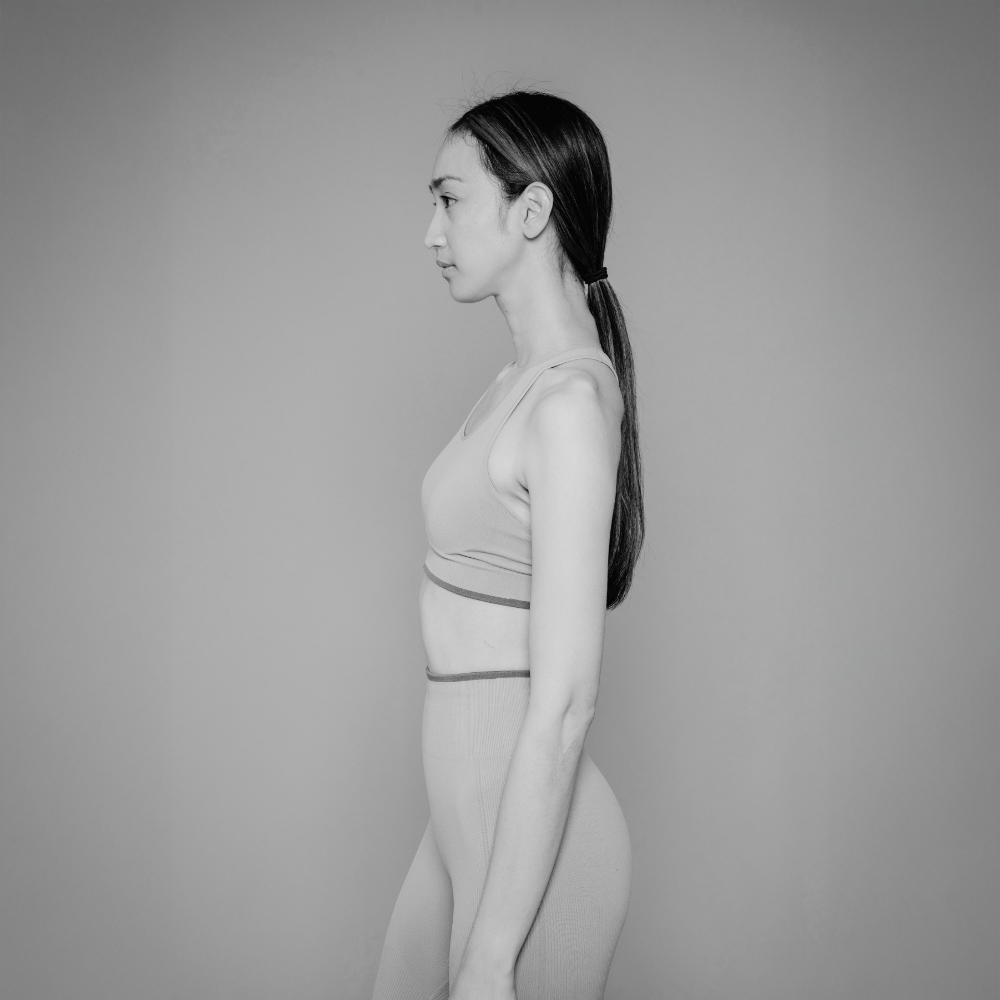
Full Body Front
Full Body Front
Full Body Side
Full Body Side
Next

Our AI creates a 3D mesh of your body for precise measurements, then sketches your silhouette shape overtop to define your type. You can optionally receive your mesh and sketch with your results.

Take the Quiz

Results

Flamboyant Natural

Flamboyant Natural shape
FN
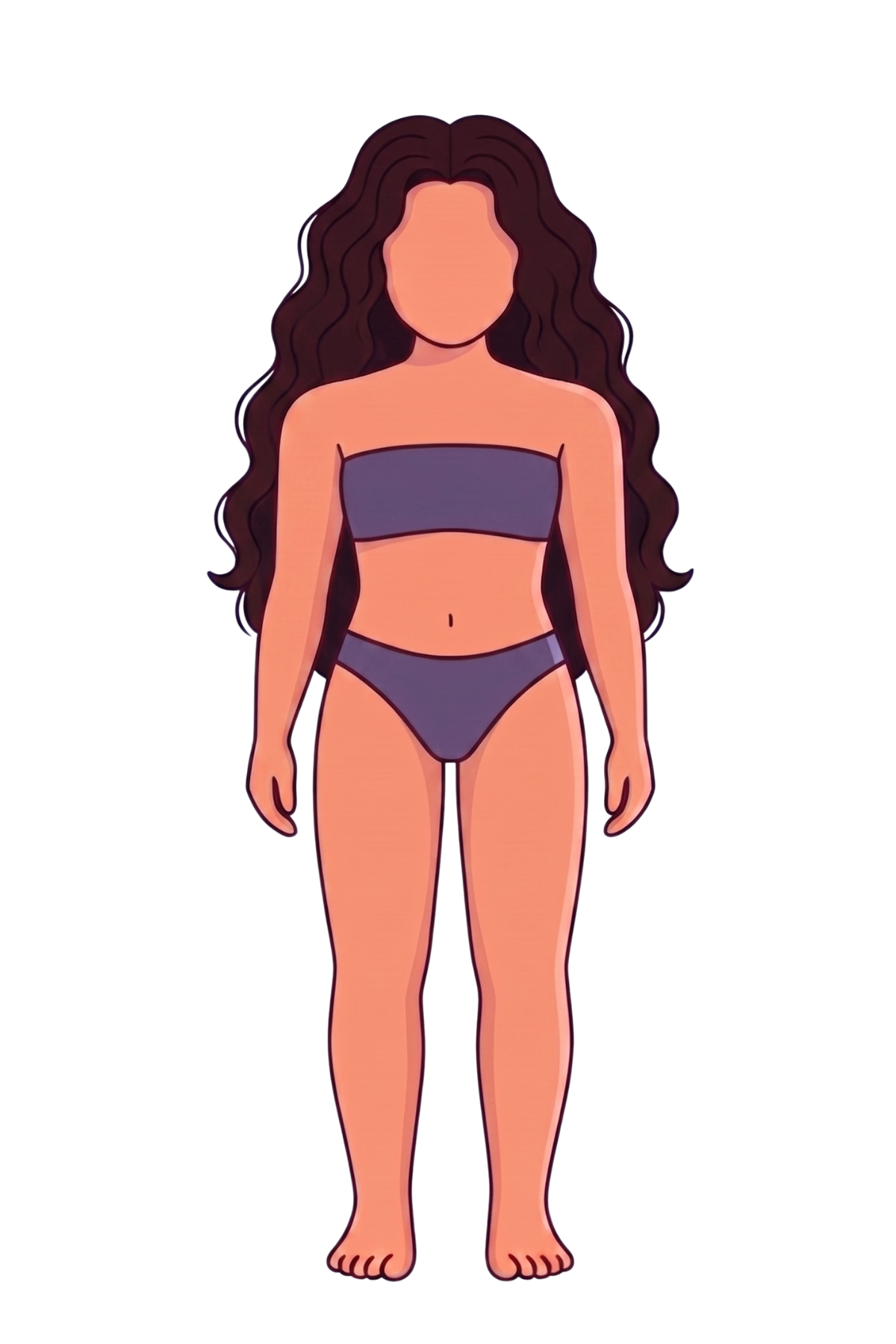
Flamboyant Natural body icon

Description

Flamboyant Naturals have a tall, broad look with relaxed, strong features. There's a natural strength and openness in this frame.

Nickname

"The Nonchalant Showstopper"

Yin-Yang

75% Yang
Flamboyant Natural Yin-Yang Balance

Personal Line

Vertical+Width

Characteristics

  • Usually 5'6" and over
  • Broad and strong frame
  • Relaxed, defined structure
  • Wide shoulders
  • Subtle curves

Similar to

Mistaken for

Physical Features of a Flamboyant Natural

Broad, blunt bone structure with wide shoulders and muscular build. Long limbs with athletic frame and natural width through upper body. Strong facial features with broad jawline, large nose, and wide-set eyes.

Note: Modern Kibbe emphasizes overall line, silhouette, and how fabric drapes on the body rather than checking off individual features. These physical descriptions serve as general guides to understand each type's accommodation needs (vertical, width, curve, petite), not as strict checklists. Your Kibbe type is about what your body needs in clothing, not matching every listed trait.

Strong Broad Shoulders

Strong Broad Shoulders

Long Broad Limbs

Long Broad Limbs

Tapered Wide Hips

Tapered Wide Hips

Broad Muscular Shape

Broad Muscular Shape

The traditional approach to Kibbe typing. Answer questions about your bone structure, body flesh, and facial features. Still accurate, just not the modern visual method.

Frequently Asked Questions

The Kibbe body type system is a style approach by David Kibbe that classifies 13 types based on both physical traits and 'vibe.' It helps people find clothing that harmonizes with their natural lines, making it easier to dress in styles that feel just right.
Finding your Kibbe type involves analyzing your bone structure, body shape, and essence, focusing on your yin (soft/rounded) and yang (sharp/angular) traits. You can find your Kibbe body type by using our Kibbe Body app, which leverages AI to analyze your unique Kibbe type, and gives you accurate insights and guidance. Additionally, there are Reddit groups like r/kibbe_typeme where you can post photos of yourself for feedback.
Many people find the Kibbe system helpful, as it offers tailored advice based on individual characteristics. However, like any system, it's not one-size-fits-all, so use what works for you and leave the rest!
Kibbe's five main categories are Dramatic, Natural, Classic, Gamine, and Romantic. Each of these has specific subtypes that add either more yin or yang, making up the full range of 13 types.
Kibbe includes 8 additional subtypes: Soft Dramatic, Flamboyant Natural, Soft Natural, Dramatic Classic, Soft Classic, Flamboyant Gamine, Soft Gamine, and Theatrical Romantic. Each subtype adds unique traits to its main family type, either leaning more toward yin or yang.
David Kibbe originally defined 13 types, but has since discontinued Pure Natural, Pure Classic, and Pure Gamine. He found that most people who identified with these 'pure' types actually fit better into one of the related subtypes. Those who previously identified with these types are encouraged to explore Flamboyant Natural or Soft Natural, Dramatic Classic or Soft Classic, and Flamboyant Gamine or Soft Gamine respectively.
Yin and yang define the soft (yin) and sharp (yang) qualities in Kibbe types. Understanding where you fall on this spectrum helps you choose styles that complement your natural shape, creating harmony in your outfits.
Your Kibbe type is based on your bone structure and proportions, which don't change over time. So, once you've found your type, it generally stays the same, even if your weight or style preferences fluctuate.
Yes! The Classic family in Kibbe body types is known for being balanced, which means it's a blend of yin and yang traits, creating a more symmetrical and harmonious look.
Yes, height is a key factor in determining Kibbe types. For example, Dramatic and Flamboyant Natural types are typically taller, while Gamines are often shorter and petite.
Absolutely! Kibbe types aren't based on size; they're about proportions and natural lines. Whether plus-size or petite, anyone can find their Kibbe type and use it to create harmonious looks.
Though Kibbe originally designed the system with women in mind, the principles of yin and yang balance, along with the emphasis on body lines, can be useful for men interested in finding harmonious styles.
Once you know your Kibbe type, you can explore style guides and outfit ideas tailored to your type's unique traits, helping you choose lines, shapes, and colors that bring out your best.
Knowing your Kibbe type helps you streamline your wardrobe by choosing styles, silhouettes, and fabrics that naturally complement your body, making it easier to build a cohesive, flattering wardrobe.
The Kibbe system is detailed and helps people understand what really suits them, making it an appealing tool for style enthusiasts looking for personalized advice beyond traditional body typing.
Unlike apple or pear body types, which focus on specific measurements, the Kibbe system considers your overall vibe, proportions, and bone structure, giving a more holistic approach to personal style.
Love-Based Beauty is David Kibbe's philosophy that emphasizes self-acceptance and enhancing your natural beauty rather than trying to change or hide who you are. Instead of following rigid rules about what you 'should' wear, it invites you to discover what truly resonates with your unique essence. The vitals are Self-Love, Acceptance, and Celebration.
Style is Personal Art: a visual language to express your entire being that's timeless and uniquely yours. Fashion is the current offerings from the industry that change seasonally. It's a tool, not a dictator. Trends are fleeting moments in fashion that are fun to play with but shouldn't be the foundation of your style.
It's a core philosophy reminding you that YOU ARE THE STAR OF YOUR LIFE. Not a celebrity, not a model, not an influencer. Your unique combination of features, coloring, and essence is as rare and beautiful as a star in the sky. Style is about celebrating your own star quality, not copying someone else's.
Intelligent Subjectivity is using your personal experiences to inform your style development. Instead of relying on external 'typing' or rigid formulas, you learn to trust your own feelings and responses. This leads to Enlightened Subjectivity, the 'AHA!' moment of true style empowerment when everything clicks.
There is no universal standard of beauty that applies to everyone. What matters is your subjective experience, specifically how YOU feel when you look in the mirror. The Kibbe approach encourages you to develop your own eye for what works for you, rather than following external rules that may not apply to your unique beauty.
The DIY Method is David Kibbe's guided journey of personal discovery through exercises and games. Rather than being 'typed' by others, you work through 15 interactive games and an 8-step journey to discover your own Image Identity, Personal Line, and Color Season. It's about self-discovery, not external labeling.
Image Identity (what many call 'Kibbe type') is your 'sculpture': complementary outlines that combine your Yin/Yang Balance and Personal Line. It's the overall harmony between your natural physical presence and the silhouettes that complement you. The modern system refers to Kibbe Types as Image Identities.
Personal Line is the relationship between your body and complementary silhouettes. It includes your Dominant element (either Vertical or Curve) and your Additional element (Narrow, Width, Double Curve, Petite, or Moderate/Balance). Understanding your Personal Line helps you choose clothing shapes that create harmony.
HTT stands for Head-to-Toe, meaning you view your complete outfit as a whole rather than separate pieces. This is a key concept in Kibbe styling. You're not just picking a top or bottom, but creating a complete visual story. The three keys to HTT are Color, Silhouette, and Situation.
Your Season is your 'painting': the harmonious colors that complement your natural coloring. There are four seasons (Winter, Autumn, Summer, Spring), each defined by Base (warm/cool), Depth (clarity/dimension), and Contrast level. David Kibbe's contemporary approach is called Color Magique.
Shop-Portunity is David Kibbe's approach to shopping with an open mind, like a treasure hunt. Instead of rigidly sticking to a list, you stay ready to discover unexpected gems that speak to you. The best finds often surprise you! Learn more on our Victorious Shopping page.
The Closet Rule is a key Kibbe principle: "If it's not in your closet, it CAN'T be in your life." Your wardrobe is the foundation of your daily style expression. What you own shapes what you can be, so choose wisely and let your closet reflect your fullest self. Explore this concept on our Victorious Shopping page.
Pregame Warm-Up consists of centering exercises you do before style activities like shopping or trying on clothes. The three main techniques are: Go to Zero (clearing the mind to reach mindfulness), Pull Up Your Awe (evoking wonder and inspiration), and Susan's Breath (a specific breathing technique for centering). Practice these in our Style Games.
The Three Loves is a foundational self-acceptance exercise in the Kibbe system. You stand in front of a mirror, identify three physical features you love about yourself, and write them down to keep visible. This builds the self-love foundation essential for your style journey. Try it and other exercises in our Style Games.
Victorious Shopping is David Kibbe's approach to transforming shopping from overwhelming to empowering. It's based on three keys: Have a Plan (know your goals before entering the store), Shop by Outfits (HTT) (think in complete Head-to-Toe looks), and Shop-Portunity (stay open to unexpected discoveries). Learn more on our Victorious Shopping page.