Kibbe Body Logo

Style Games

Interactive exercises to discover your unique style. These games follow the process laid out in David Kibbe's most recent book, The Power of Style.

Pregame Warm-Up

Start here. These foundational games prepare you for the journey ahead by building self-awareness and opening your mind.

Game 1

My Three Loves

Self-acceptance foundation

Instructions:

  1. Stand in front of a mirror
  2. Identify three physical features you love about yourself
  3. Write them down and keep them visible

Materials:

Mirror, Paper, Pen

Game 2

Let's Go to the Movies

Hollywood inspiration

Instructions:

  1. Watch classic Hollywood films
  2. Note which stars captivate you visually
  3. Identify what draws you to their style

Materials:

Streaming service, Notebook

Game 3

The Carrot and Your Cake

Dream visualization

Instructions:

  1. Visualize your dream day outfit
  2. Visualize your dream evening outfit
  3. Note what makes each special to you
Game 4

Potluck

Uncover biases

Instructions:

  1. Write down your immediate associations with style words
  2. Reflect on where these associations come from
  3. Identify any limiting beliefs
Game 5

Don't Fence Me In

Dream board creation

Instructions:

  1. Collect images that inspire you
  2. Organize by category (clothes, settings, moods)
  3. Look for patterns in your choices

Materials:

Pinterest or physical board, Magazines

Journey Games

These games align with specific steps in your style journey. Complete them in order for the best results.

Game 6

See It, Feel It, Record It

Yin/Yang emotional response

Instructions:

  1. View images representing Yin qualities
  2. View images representing Yang qualities
  3. Record your emotional responses to each
Game 7

Your Yin/Yang Soiree

Party visualization

Instructions:

  1. Imagine planning two different parties
  2. One with Yin aesthetic, one with Yang
  3. Note which feels more like "you"
Game 8

What's My Line?

Personal Line discovery

Instructions:

  1. Use the sketching tool to trace your outline
  2. Identify your dominant element (Vertical or Curve)
  3. Identify your additional element
Game 9

Be Still, My Heart

Seasonal color connection

Instructions:

  1. Find photos that capture each season's essence
  2. Note your emotional response to each
  3. Identify which season speaks to your soul
Game 10

Your Color Phantasias

Color love discovery

Instructions:

  1. Explore different color palettes
  2. Identify colors that excite you
  3. Note which palettes feel most harmonious
Game 11

The Yuck!

Season identification

Instructions:

  1. Try on colors from different seasonal palettes
  2. Note which colors make you feel "yuck"
  3. Use elimination to narrow your season
Game 12

Lazy Plus

Conscious situation practice

Instructions:

  1. Take a casual everyday outfit
  2. Add one small elevated element
  3. Notice how it transforms the look
Game 13

Dream Job/Dream Event

Style visualization

Instructions:

  1. Visualize an important meeting or event
  2. Design a complete HTT for that situation
  3. Note how the outfit supports your goals
Game 14

My Three Loves (Dressing Room)

Shopping confidence

Instructions:

  1. Post your Three Loves on the dressing room mirror
  2. Bring a transitional comfort object
  3. Do the Pregame Warm-Up before trying on
Game 15

Deservin' the Dress

Spending comfort zone expansion

Instructions:

  1. Browse luxury items ($5,000+ base piece)
  2. Notice your emotional reactions to spending
  3. Explore what "deserving" means to you

Discover Your Kibbe Identity

The photo analysis uses the sketching method to identify your type automatically.

Photo Analysis
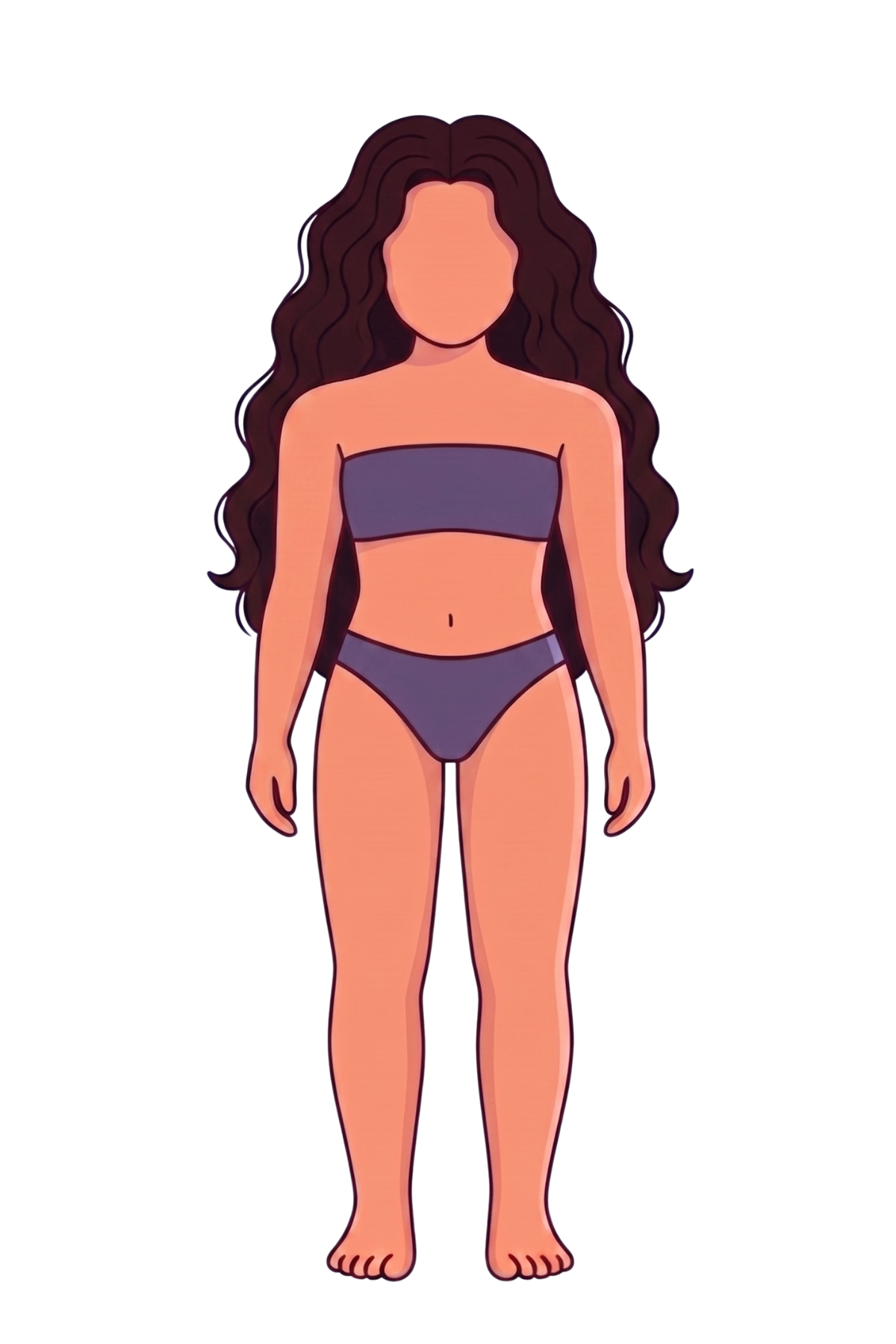
Full Body Front
Full Body Front
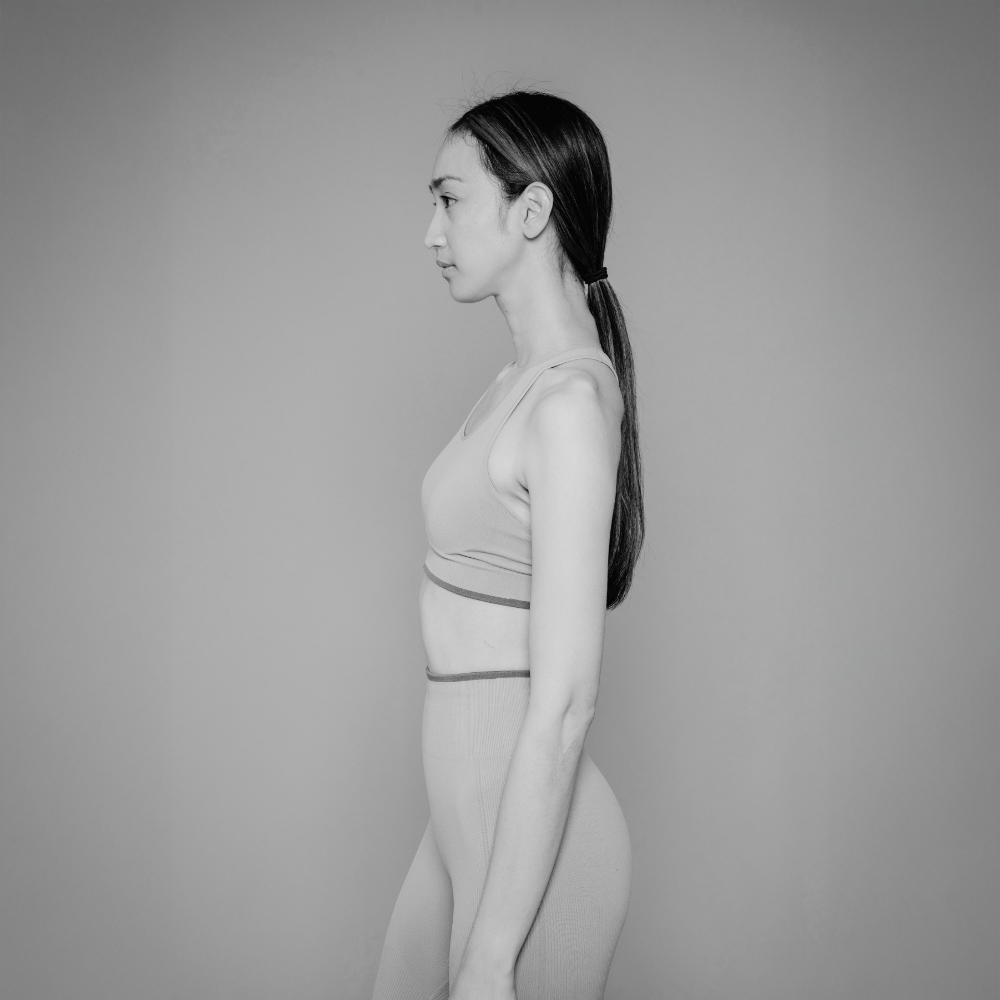
Full Body Side
Full Body Side
Next

The AI creates a 3D mesh of your body for precise measurements, then sketches your silhouette shape overtop to define your type. You can optionally receive your mesh and sketch with your results.

Take the Quiz

Results

Flamboyant Natural
Flamboyant Natural shape
FN
Flamboyant Natural body icon

Description

Flamboyant Naturals have a tall, broad look with relaxed, strong features. There's a natural strength and openness in this frame.

Nickname

"The Nonchalant Showstopper"

Yin-Yang
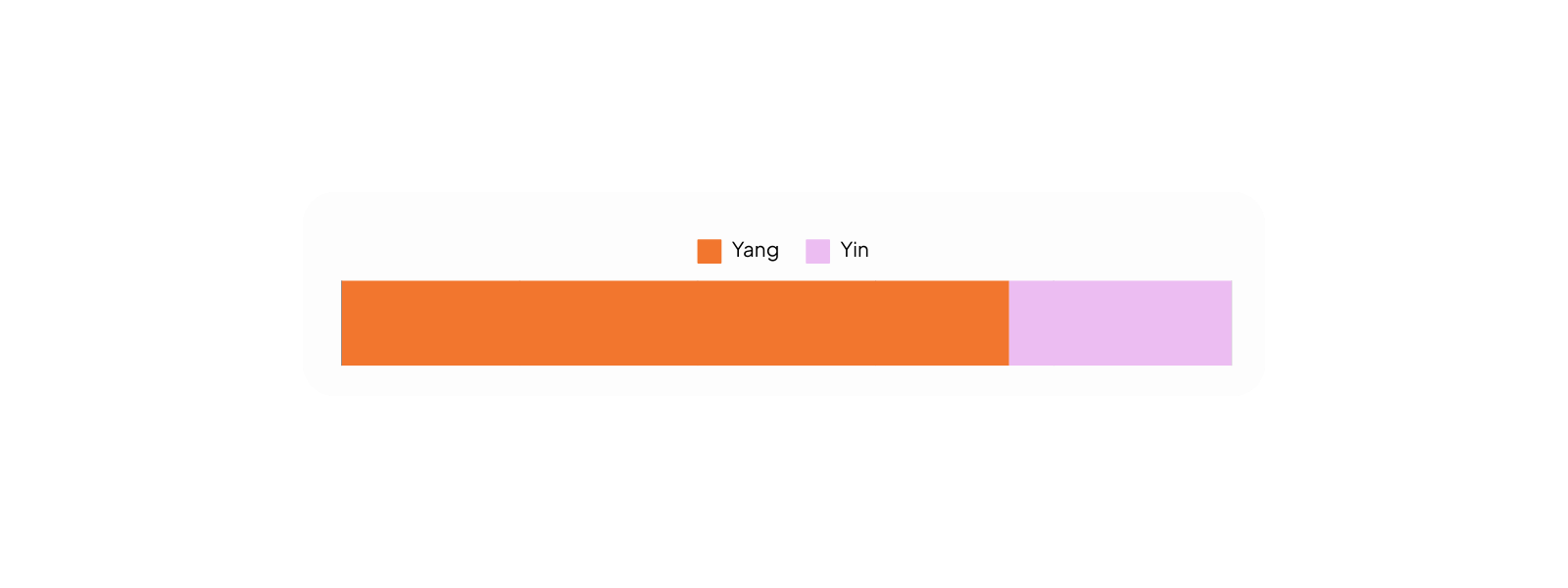
75% Yang
Flamboyant Natural Yin-Yang Balance

Personal Line

Vertical+Width

Characteristics

  • Usually 5'6" and over
  • Broad and strong frame
  • Relaxed, defined structure
  • Wide shoulders
  • Subtle curves

Similar to

Mistaken for
Physical Features of a Flamboyant Natural

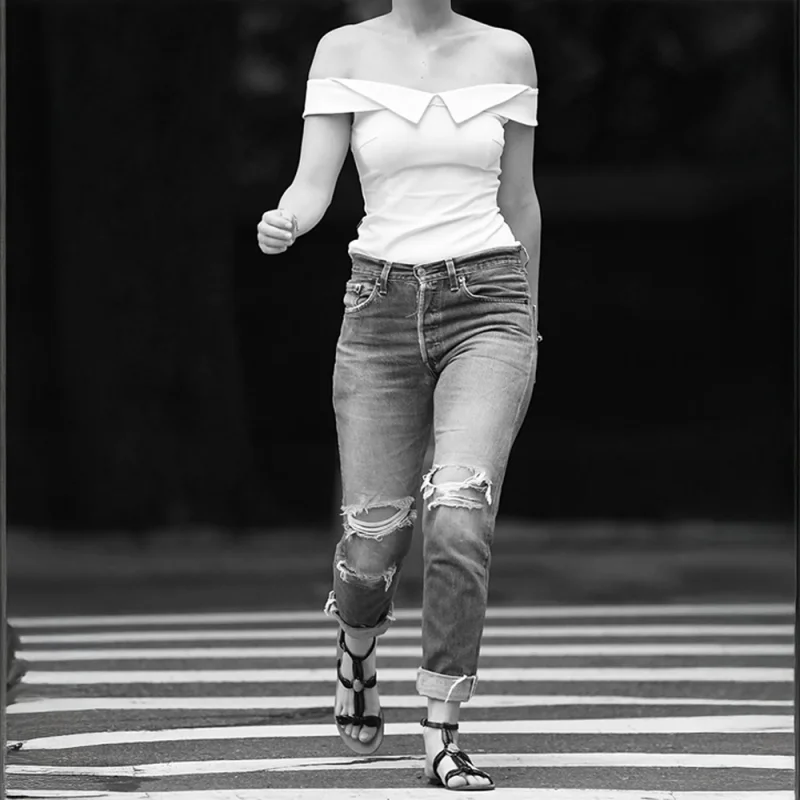
Broad, blunt bone structure with wide shoulders and muscular build. Long limbs with athletic frame and natural width through upper body. Strong facial features with broad jawline, large nose, and wide-set eyes.

These physical descriptions are from David Kibbe's original book "Metamorphosis" (1987). His methodology has evolved significantly since then—in his 2025 book "The Power of Style," he explicitly states "NO BODY PARTS" and emphasizes discovering your Image Identity through Personal Line sketching (how fabric drapes on your body) rather than matching individual features. These descriptions are provided as historical reference, not a checklist for self-typing.
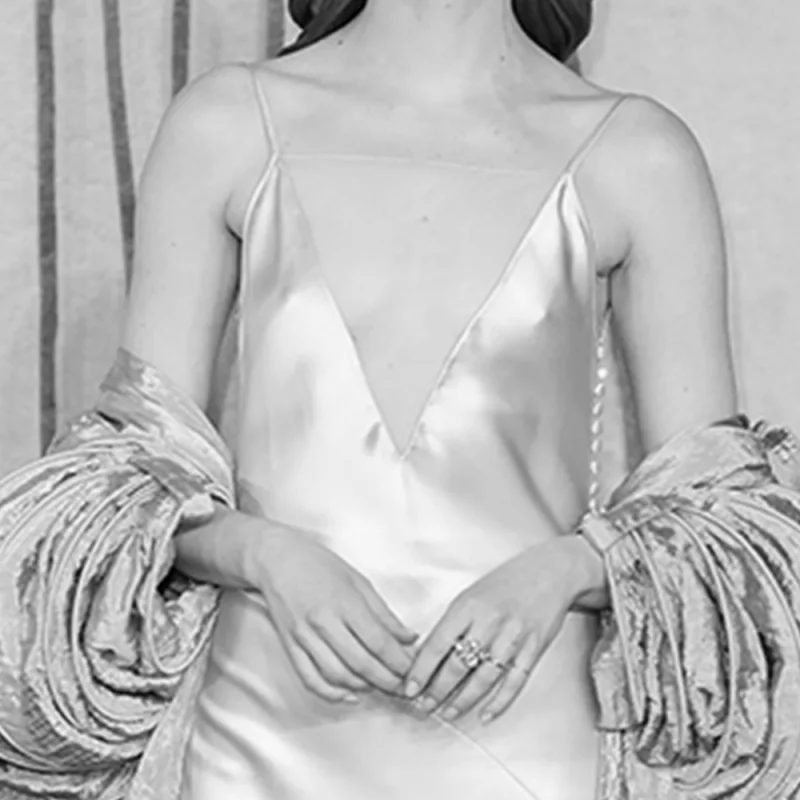
Strong Broad Shoulders
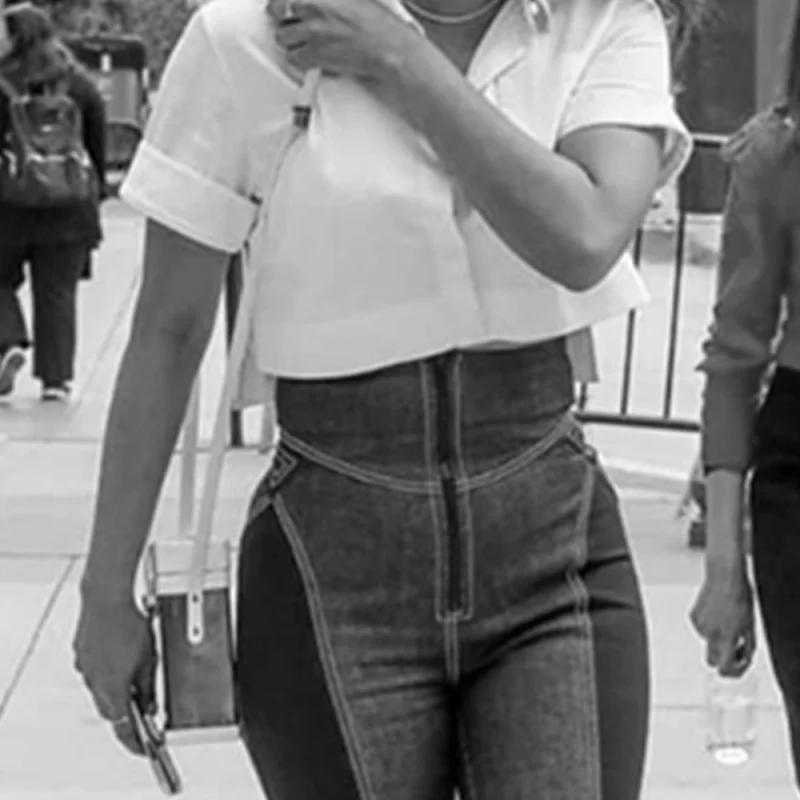
Strong Broad Shoulders

Long Broad Limbs
Long Broad Limbs

Tapered Wide Hips

Tapered Wide Hips

Broad Muscular Shape

Broad Muscular Shape

The traditional approach to Kibbe typing. Answer questions about your bone structure, body flesh, and facial features. Still accurate, just not the modern visual method.

Frequently Asked Questions

The Kibbe body type system is a style approach by David Kibbe that originally classified 13 types based on both physical traits and 'vibe.' It helps people find clothing that harmonizes with their natural lines, making it easier to dress in styles that feel just right. Note that the system now contains 10 types as the pure types (Natural, Classic, and Gamine) have been deprecated.
Finding your Kibbe type involves analyzing your bone structure, body shape, and essence, focusing on your yin (soft/rounded) and yang (sharp/angular) traits. You can find your Kibbe body type by using our Kibbe Body app, which leverages AI to analyze your unique Kibbe type, and gives you accurate insights and guidance. Additionally, there are Reddit groups like r/kibbe_typeme where you can post photos of yourself for feedback.
Many people find the Kibbe system helpful, as it offers tailored advice based on individual characteristics. However, like any system, it's not one-size-fits-all, so use what works for you and leave the rest!
Kibbe's five main families are Dramatic, Natural, Classic, Gamine, and Romantic. Each of these has specific subtypes that add either more yin or yang. Note that the system now contains 10 types as the pure types (Natural, Classic, and Gamine) have been deprecated.

The modern Kibbe system recognizes 10 types (the 3 "pure" balanced types have been discontinued). Here is each type with its height limit, dominant/additional elements, and yin/yang balance:

Type Height Dominant Additional Yin/Yang
DramaticAny heightVerticalNarrowYang
Soft DramaticAny heightVerticalCurveYang
Flamboyant NaturalAny heightVerticalWidthYang
Soft NaturalUnder 5'6"CurveWidthYang
Dramatic ClassicUnder 5'6"VerticalBalanceYang
Soft ClassicUnder 5'6"CurveBalanceYin
Flamboyant GamineUnder 5'5"VerticalPetiteYin
Soft GamineUnder 5'5"CurvePetiteYin
Theatrical RomanticUnder 5'6"CurveNarrowYin
RomanticUnder 5'6"CurveDouble CurveYin

Note: Yang types have more sharp/angular qualities, while Yin types have more soft/rounded qualities.

Kibbe includes 8 additional subtypes: Soft Dramatic, Flamboyant Natural, Soft Natural, Dramatic Classic, Soft Classic, Flamboyant Gamine, Soft Gamine, and Theatrical Romantic. Each subtype adds unique traits to its main family type, either leaning more toward yin or yang.
David Kibbe originally defined 13 types, but has since discontinued Pure Natural, Pure Classic, and Pure Gamine. He found that most people who identified with these 'pure' types actually fit better into one of the related subtypes. Those who previously identified with these types are encouraged to explore Flamboyant Natural or Soft Natural, Dramatic Classic or Soft Classic, and Flamboyant Gamine or Soft Gamine respectively.
Yin and yang define the soft (yin) and sharp (yang) qualities in Kibbe types. Understanding where you fall on this spectrum helps you choose styles that complement your natural shape, creating harmony in your outfits.
Your Kibbe type is based on your bone structure and proportions, which don't change over time. So, once you've found your type, it generally stays the same, even if your weight or style preferences fluctuate.
Yes! The Classic family in Kibbe body types is known for being balanced, which means it's a blend of yin and yang traits, creating a more symmetrical and harmonious look.

Height plays a crucial role in determining your Kibbe type. At 5'6" and over, you automatically have Vertical as your dominant. All Curve dominant types must be under 5'6".

Type Height Dominant Additional
DramaticAny heightVerticalNarrow
Soft DramaticAny heightVerticalCurve
Flamboyant NaturalAny heightVerticalWidth
Dramatic ClassicUnder 5'6"VerticalBalance
Flamboyant GamineUnder 5'5"VerticalPetite
RomanticUnder 5'6"CurveDouble Curve
Theatrical RomanticUnder 5'6"CurveNarrow
Soft NaturalUnder 5'6"CurveWidth
Soft ClassicUnder 5'6"CurveBalance
Soft GamineUnder 5'5"CurvePetite

Note: It's possible to be under 5'6" and still have Vertical as your dominant. Both Gamine types (with Petite) must be under 5'5".

Each Kibbe type tends to gain and distribute weight differently based on their Yin/Yang balance. Understanding your type's weight pattern can help with realistic expectations and dressing strategies.

Type Weight Gain Pattern
DramaticHips and upper thighs only; NOT upper torso. Body shape remains straight (not curvy).
Soft DramaticAll over the fleshiest parts: bust, hips, waist, thighs, upper arms, and especially the face.
Flamboyant NaturalBecomes square and stocky; face becomes fleshy and puffy. Extreme excess weight collects primarily from waist down.
Soft NaturalExtremely soft and fleshy; waist thickens first. Upper arms, thighs, and hips collect excess weight most rapidly.
Dramatic ClassicExcess weight shows up right away and collects from the waist down. Hips and thighs gain; rarely around bustline. Becomes more pear-shaped.
Soft ClassicBody becomes very soft; facial features become very fleshy. "Thickish" look; waist is first to lose definition.
Flamboyant GamineBecomes stocky and square. Excess weight from waist down, rarely above. Arms, legs, waist, and hip area become thick. Face may become puffy and fleshy.
Soft GamineVery rounded; weight collects mainly in bust and hip areas. Arms and thighs get soft; face becomes quite fleshy.
Theatrical RomanticFigure remains hourglass with defined waist. Upper arms, thighs, and face become quite fleshy.
RomanticBody only gets more rounded overall; face gets very full.

Source: David Kibbe's Metamorphosis (1987)

Absolutely! Kibbe types aren't based on size; they're about proportions and natural lines. Whether plus-size or petite, anyone can find their Kibbe type and use it to create harmonious looks.
Vertical means your body allows fabric to fall straight down without being pushed out. Women 5'6" and above automatically have it, but shorter women can too. As David says: 'If the fabric were to hang straight down from the shoulders in one long line, we can determine you have a vertical line.'
Width means your upper body (shoulders/upper torso) is the broadest part of your frame—wider than what comes underneath. It's proportionate to YOU, not objectively wide. As David says: 'Breadth through shoulder/upper torso area. You could be tiny and still have this part be wider.' Only the Natural family accommodates width.
Balance means your upper torso and hipbone are evenly spaced—you sit in the middle between Yin and Yang with no dominant feature. As David says: 'Parity between outer edge of the upper torso and hipbone. These two parts are evenly spaced.' Found in the Classic family. Must be under 5'6". Note: balance and symmetry are NOT the same thing.
Curve means your bust and hips push fabric outward rather than letting it fall straight. As David says: 'Fabric is pushed out by your bust, cuts inward in the middle, and is pushed out and around again by your hips.' Must be under 5'6" to have curve as dominant. Double curve = bust AND hips as the main features, found in Romantic, TR, and SG.
Petite means your whole frame is compact and compressed—small scale overall. As David says: 'Compact overall. Vertical or Curve packed within a compressed frame.' Defining feature of Gamines (must be under 5'5"). Being short alone doesn't make you petite—if you have width, you might be Soft Natural instead.
Though Kibbe originally designed the system with women in mind, the principles of yin and yang balance, along with the emphasis on body lines, can be useful for men interested in finding harmonious styles.
Once you know your Kibbe type, you can explore style guides and outfit ideas tailored to your type's unique traits, helping you choose lines, shapes, and colors that bring out your best.
Knowing your Kibbe type helps you streamline your wardrobe by choosing styles, silhouettes, and fabrics that naturally complement your body, making it easier to build a cohesive, flattering wardrobe.
The Kibbe system is detailed and helps people understand what really suits them, making it an appealing tool for style enthusiasts looking for personalized advice beyond traditional body typing.
Unlike apple or pear body types, which focus on specific measurements, the Kibbe system considers your overall vibe, proportions, and bone structure, giving a more holistic approach to personal style.
Love-Based Beauty is David Kibbe's philosophy that emphasizes self-acceptance and enhancing your natural beauty rather than trying to change or hide who you are. Instead of following rigid rules about what you 'should' wear, it invites you to discover what truly resonates with your unique essence. The vitals are Self-Love, Acceptance, and Celebration.
Style is Personal Art: a visual language to express your entire being that's timeless and uniquely yours. Fashion is the current offerings from the industry that change seasonally. It's a tool, not a dictator. Trends are fleeting moments in fashion that are fun to play with but shouldn't be the foundation of your style.
It's a core philosophy reminding you that YOU ARE THE STAR OF YOUR LIFE. Not a celebrity, not a model, not an influencer. Your unique combination of features, coloring, and essence is as rare and beautiful as a star in the sky. Style is about celebrating your own star quality, not copying someone else's.
Intelligent Subjectivity is using your personal experiences to inform your style development. Instead of relying on external 'typing' or rigid formulas, you learn to trust your own feelings and responses. This leads to Enlightened Subjectivity, the 'AHA!' moment of true style empowerment when everything clicks.
There is no universal standard of beauty that applies to everyone. What matters is your subjective experience, specifically how YOU feel when you look in the mirror. The Kibbe approach encourages you to develop your own eye for what works for you, rather than following external rules that may not apply to your unique beauty.
The DIY Method is David Kibbe's guided journey of personal discovery through exercises and games. Rather than being 'typed' by others, you work through 15 interactive games and an 8-step journey to discover your own Image Identity, Personal Line, and Color Season. It's about self-discovery, not external labeling.
Image Identity (what many call 'Kibbe type') is your 'sculpture': complementary outlines that combine your Yin/Yang Balance and Personal Line. It's the overall harmony between your natural physical presence and the silhouettes that complement you. The modern system refers to Kibbe Types as Image Identities.
Personal Line is the relationship between your body and complementary silhouettes. It includes your Dominant element (either Vertical or Curve) and your Additional element (Narrow, Width, Double Curve, Petite, or Moderate/Balance). Understanding your Personal Line helps you choose clothing shapes that create harmony.
HTT stands for Head-to-Toe, meaning you view your complete outfit as a whole rather than separate pieces. This is a key concept in Kibbe styling. You're not just picking a top or bottom, but creating a complete visual story. The three keys to HTT are Color, Silhouette, and Situation.
Your Season is your 'painting': the harmonious colors that complement your natural coloring. There are four seasons (Winter, Autumn, Summer, Spring), each defined by Base (warm/cool), Depth (clarity/dimension), and Contrast level. David Kibbe's contemporary approach is called Color Magique.
Shop-Portunity is David Kibbe's approach to shopping with an open mind, like a treasure hunt. Instead of rigidly sticking to a list, you stay ready to discover unexpected gems that speak to you. The best finds often surprise you! Learn more on our Victorious Shopping page.
The Closet Rule is a key Kibbe principle: "If it's not in your closet, it CAN'T be in your life." Your wardrobe is the foundation of your daily style expression. What you own shapes what you can be, so choose wisely and let your closet reflect your fullest self. Explore this concept on our Victorious Shopping page.
Pregame Warm-Up consists of centering exercises you do before style activities like shopping or trying on clothes. The three main techniques are: Go to Zero (clearing the mind to reach mindfulness), Pull Up Your Awe (evoking wonder and inspiration), and Susan's Breath (a specific breathing technique for centering). Practice these in our Style Games.
The Three Loves is a foundational self-acceptance exercise in the Kibbe system. You stand in front of a mirror, identify three physical features you love about yourself, and write them down to keep visible. This builds the self-love foundation essential for your style journey. Try it and other exercises in our Style Games.
Victorious Shopping is David Kibbe's approach to transforming shopping from overwhelming to empowering. It's based on three keys: Have a Plan (know your goals before entering the store), Shop by Outfits (HTT) (think in complete Head-to-Toe looks), and Shop-Portunity (stay open to unexpected discoveries). Learn more on our Victorious Shopping page.