Yin/Yang Balance
The philosophy of contrasting opposites that informs your unique aesthetic.
Understanding Yin-Yang Balance
In the Kibbe system, yin-yang balance represents the harmony between softness (yin) and structure (yang) in a person's physical appearance and style. Yin qualities are rounded, soft, and delicate, while yang qualities are angular, sharp, and bold. Each type blends these elements uniquely, creating a style that reflects a specific balance of softness and structure.

Yang Traits
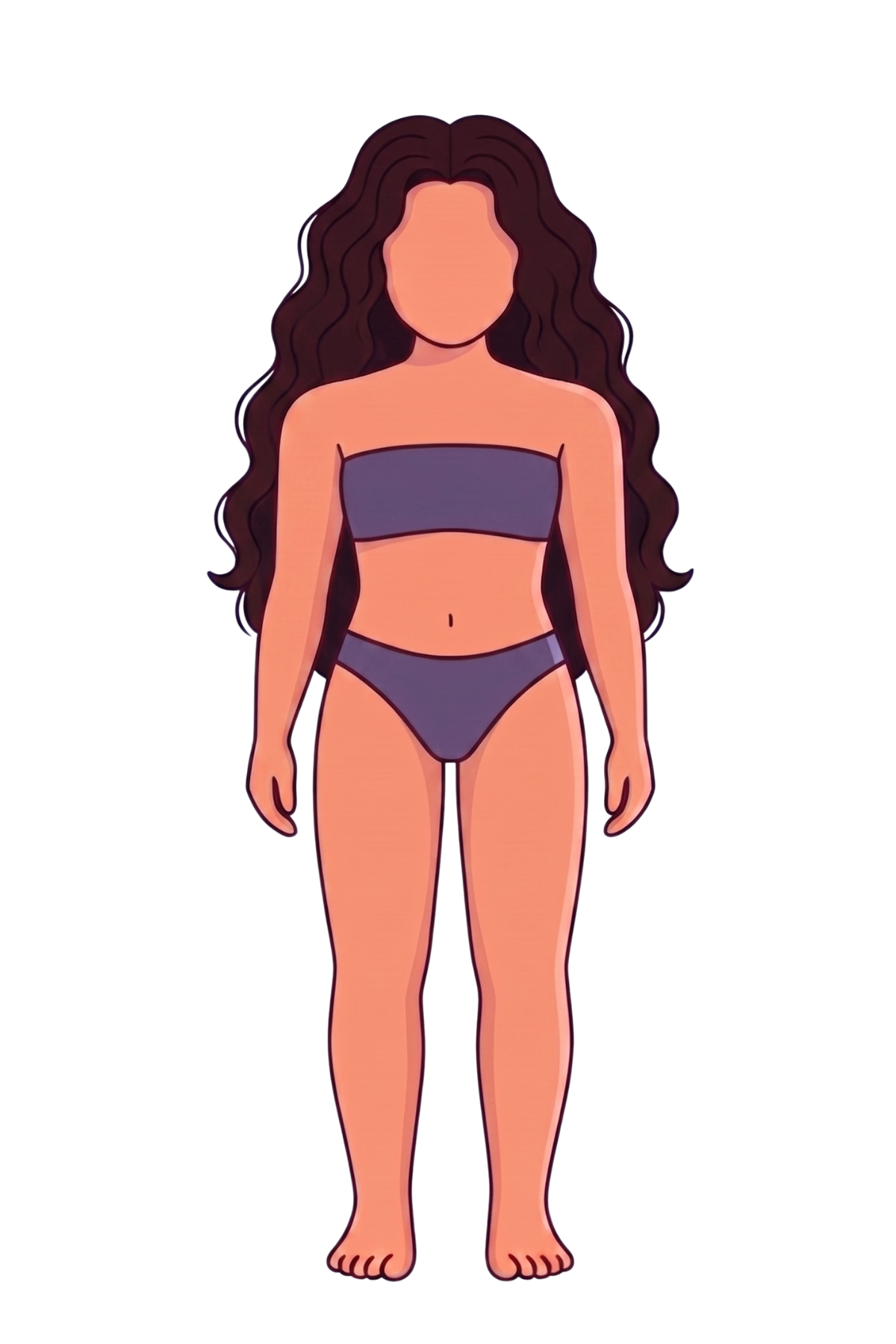
Associated with angular shapes, sharp lines, elongated silhouettes, and geometric forms like rectangles and triangles.

Yin Traits
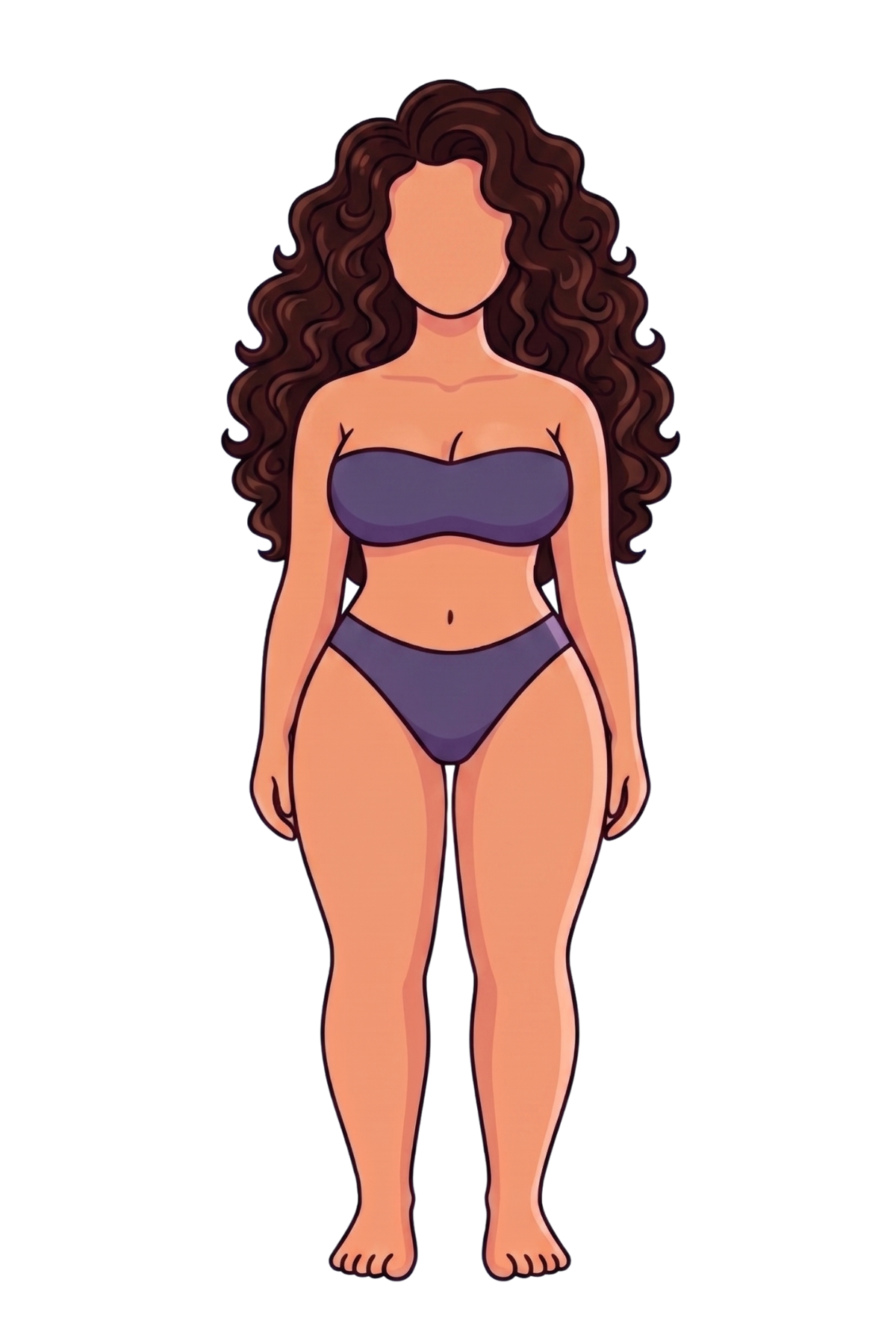
Associated with rounded edges, soft shapes, flowing lines, hourglass figures, and gentle curves.
The Philosophy of Opposites
Yin and Yang are contrasting forces that exist in everything around us. Neither is better than the other, they are complementary opposites that create balance.
In the Kibbe system, understanding where you fall on the Yin/Yang spectrum helps you discover silhouettes, details, and aesthetics that harmonize with your natural essence.
This isn't about being one or the other, most people are a unique blend of both qualities.
Yin & Yang Qualities
Yang
Sharp, angular, strong
Sharp
Angular edges and defined lines
Angular
Geometric, straight shapes
Bold
Strong, pronounced features
Elongated
Vertical, linear forms
Minimal
Clean and unadorned
Structured
Architectural and precise
Yin
Soft, curved, yielding
Soft
Rounded edges and gentle curves
Curved
Flowing, circular shapes
Delicate
Fine, intricate details
Rounded
Spherical, organic forms
Ornate
Decorative and embellished
Lush
Rich, full, and abundant
The Spectrum
Image Identities exist on a spectrum from pure Yang to pure Yin, with most falling somewhere in between.
Connection to Image Identity
Your Yin/Yang balance is one of the core components of your Image Identity. Combined with your Personal Line, it defines the silhouettes and details that create harmony with your natural appearance.
Understanding this balance isn't about measurements or analysis, it's about feeling. Which qualities resonate with you? What aesthetic speaks to your soul?
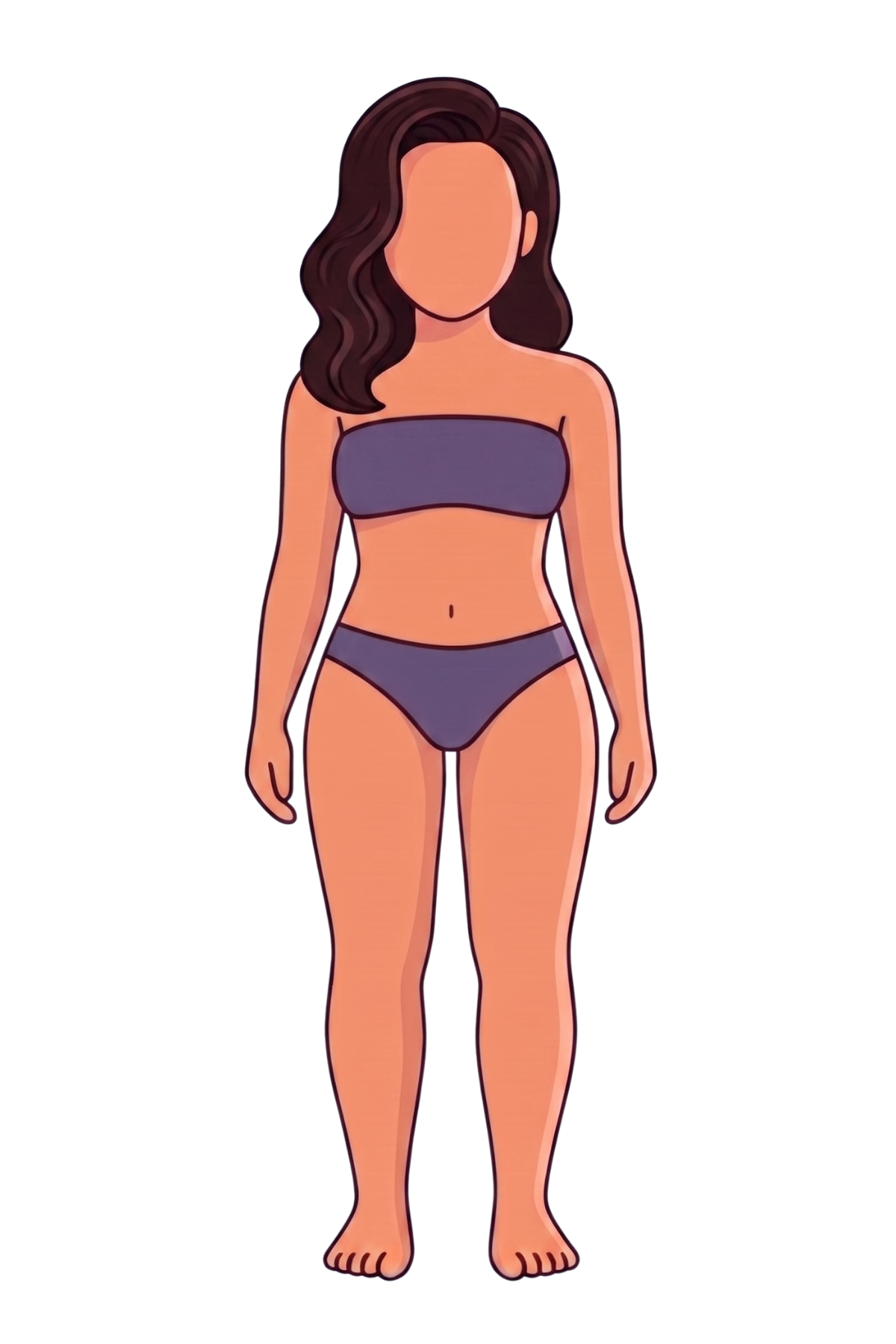
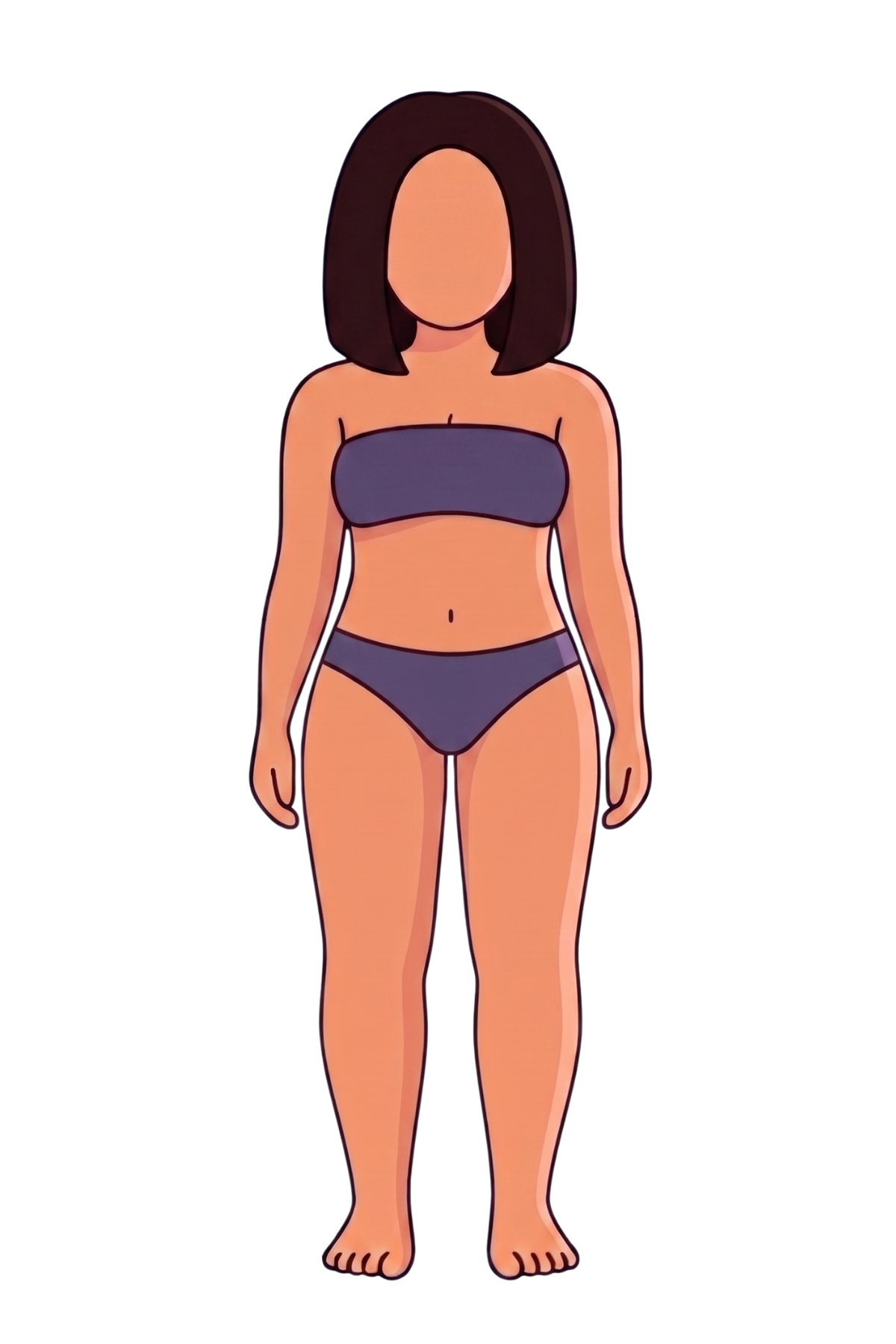
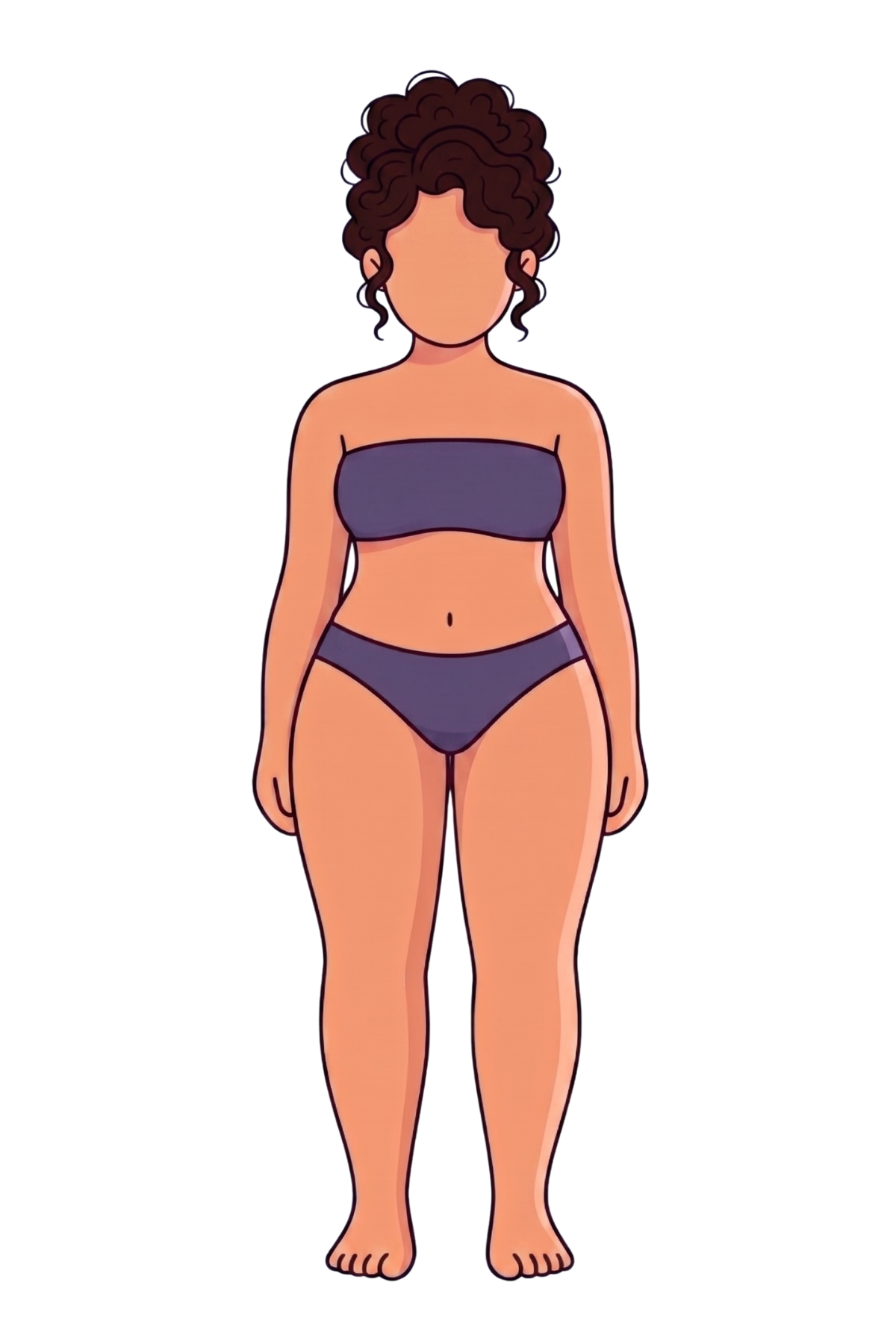
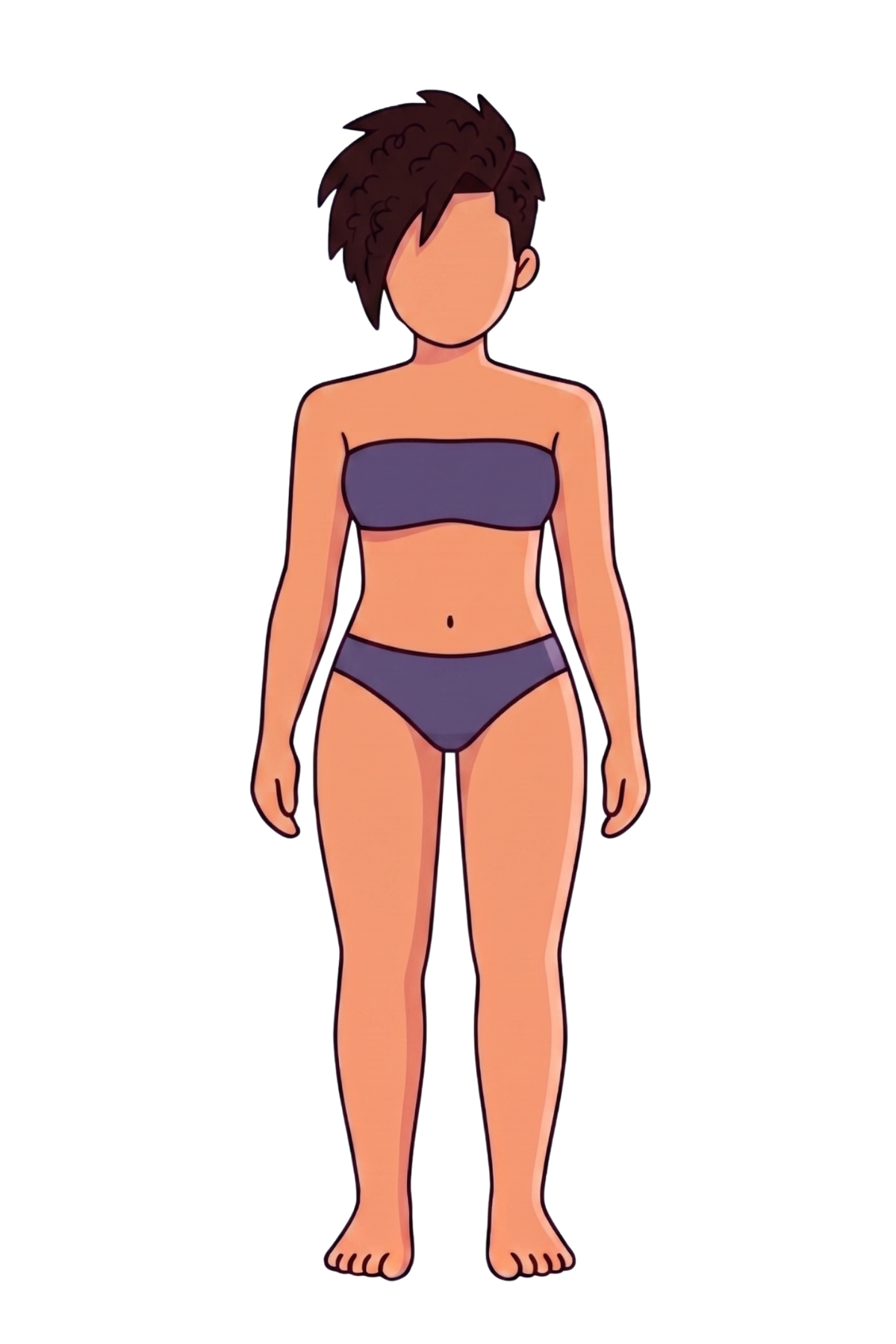
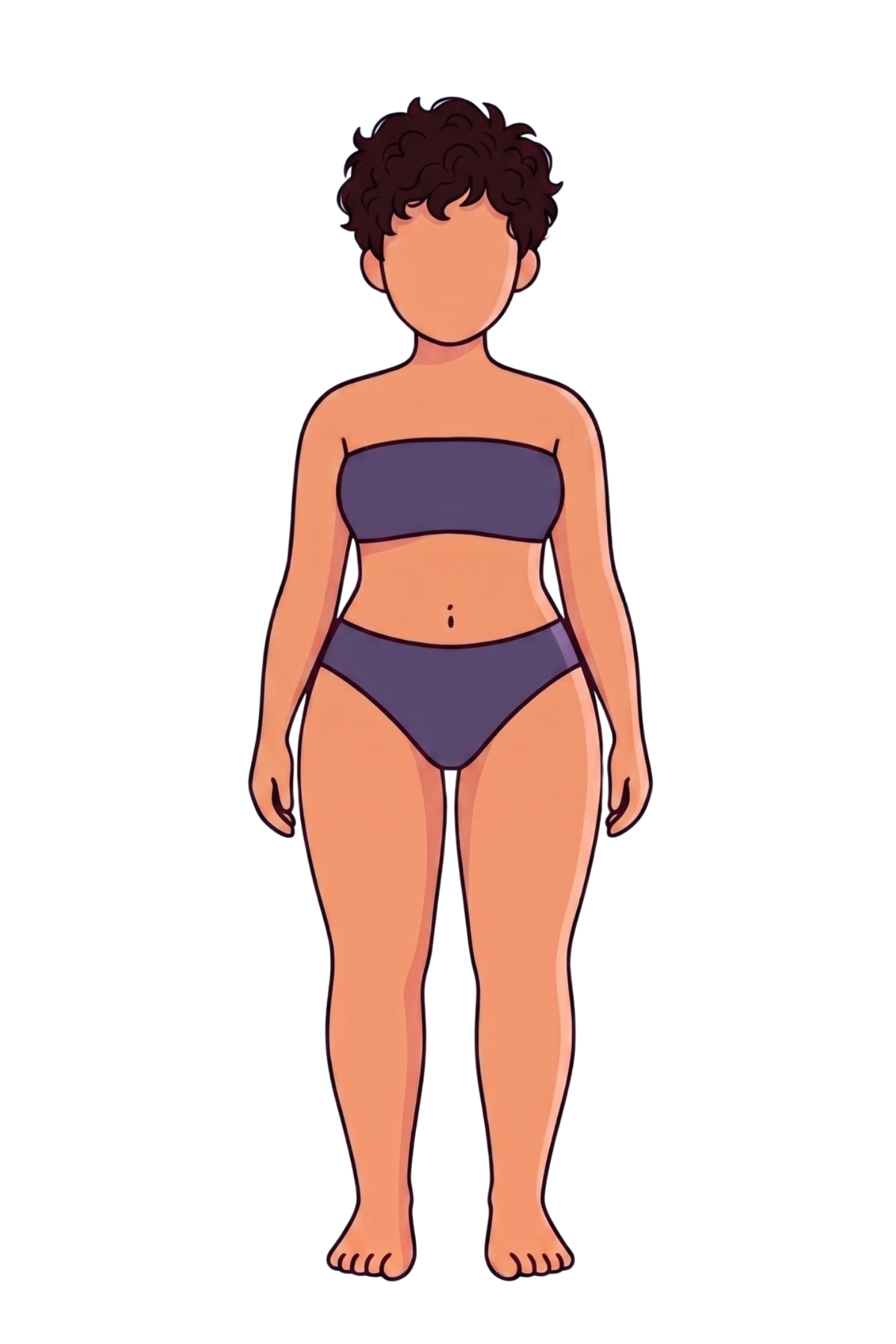
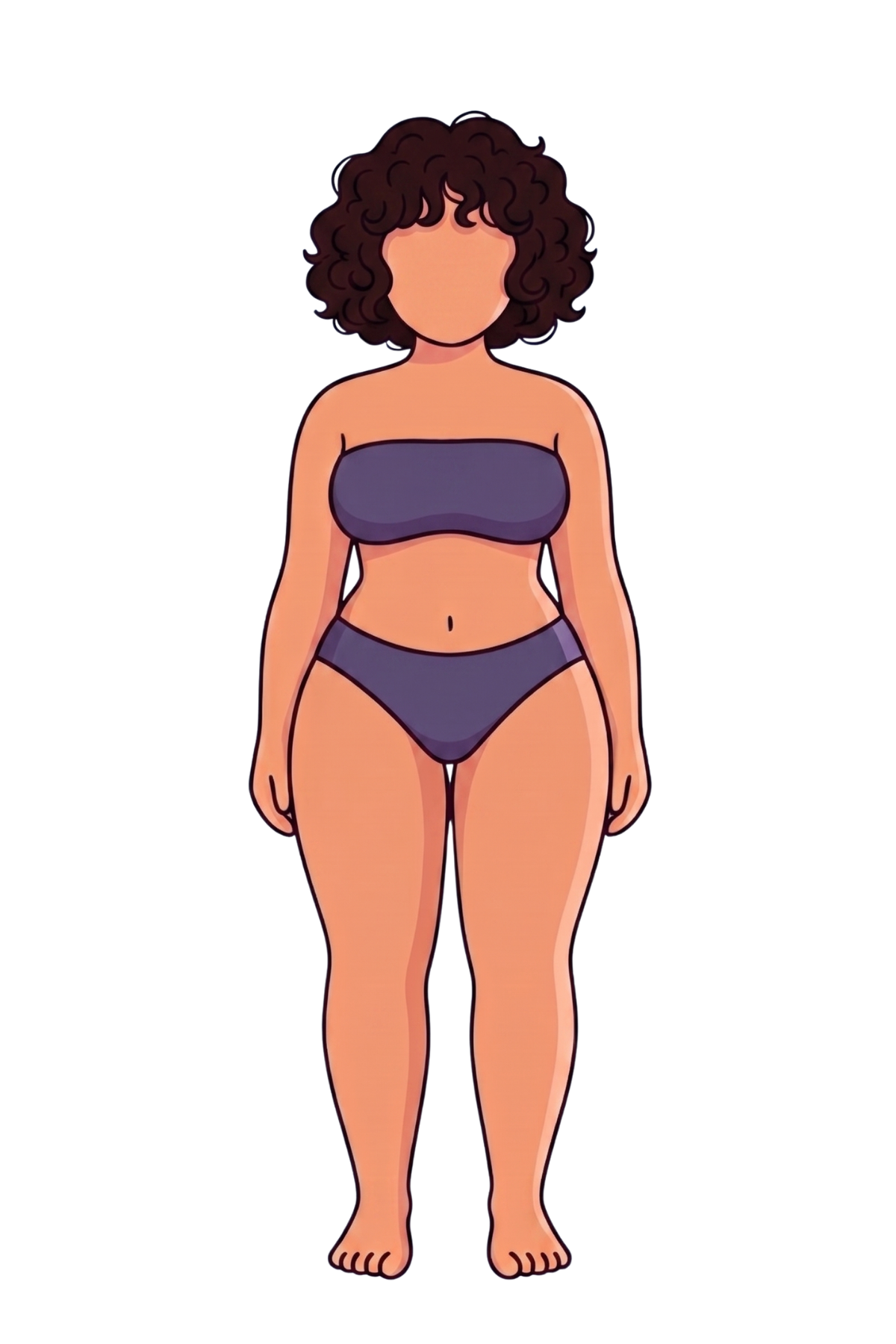
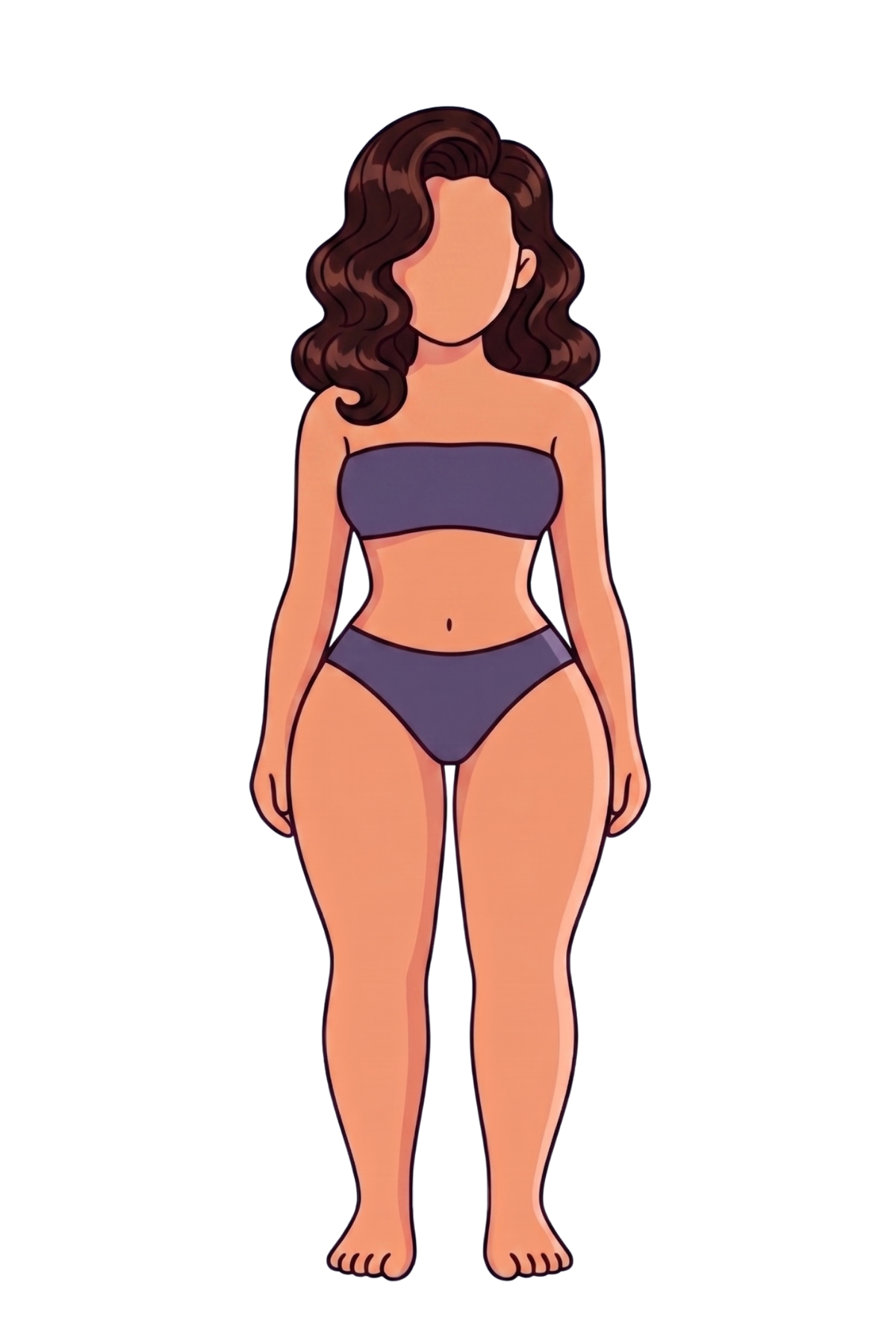

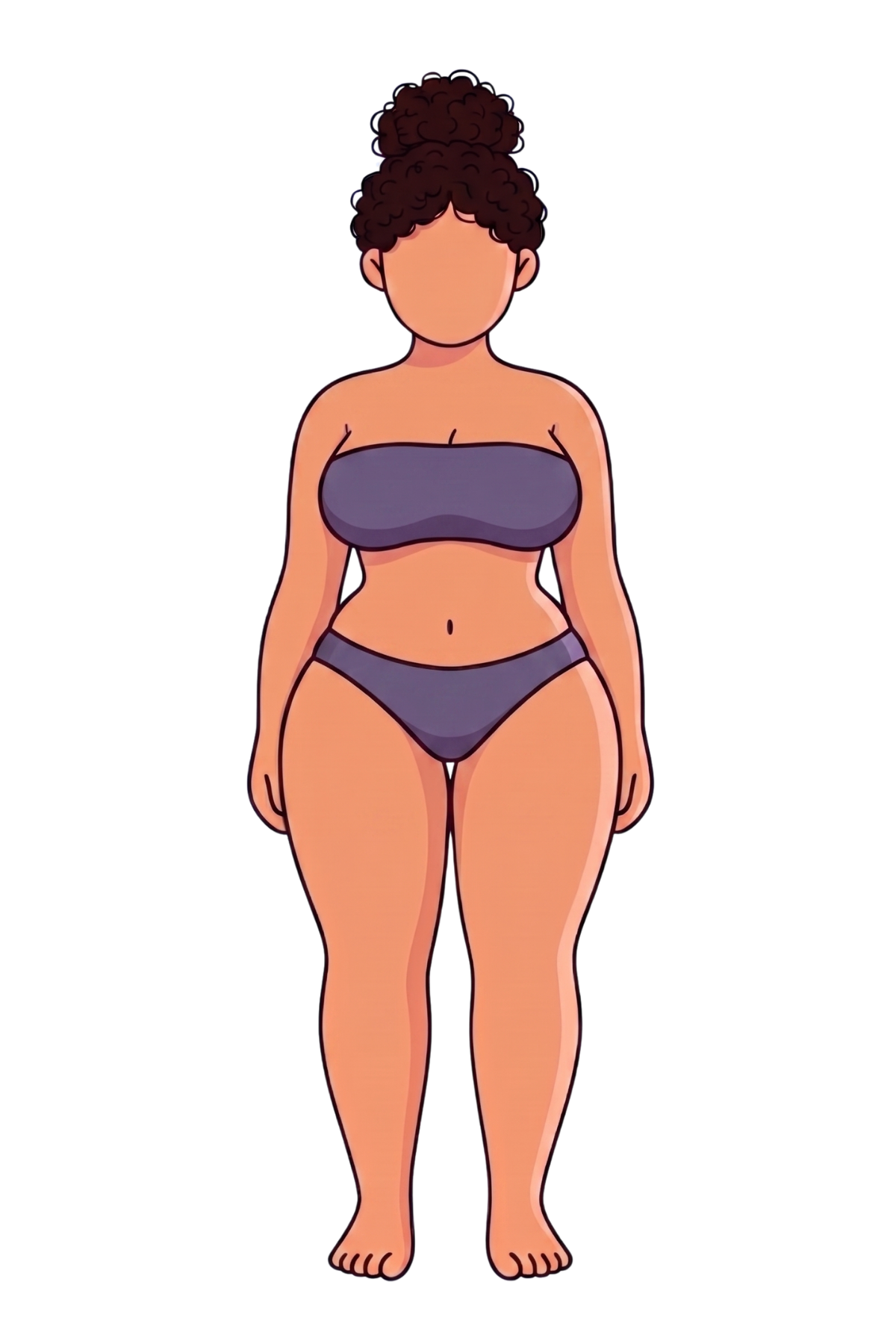
Discover Your Kibbe Identity
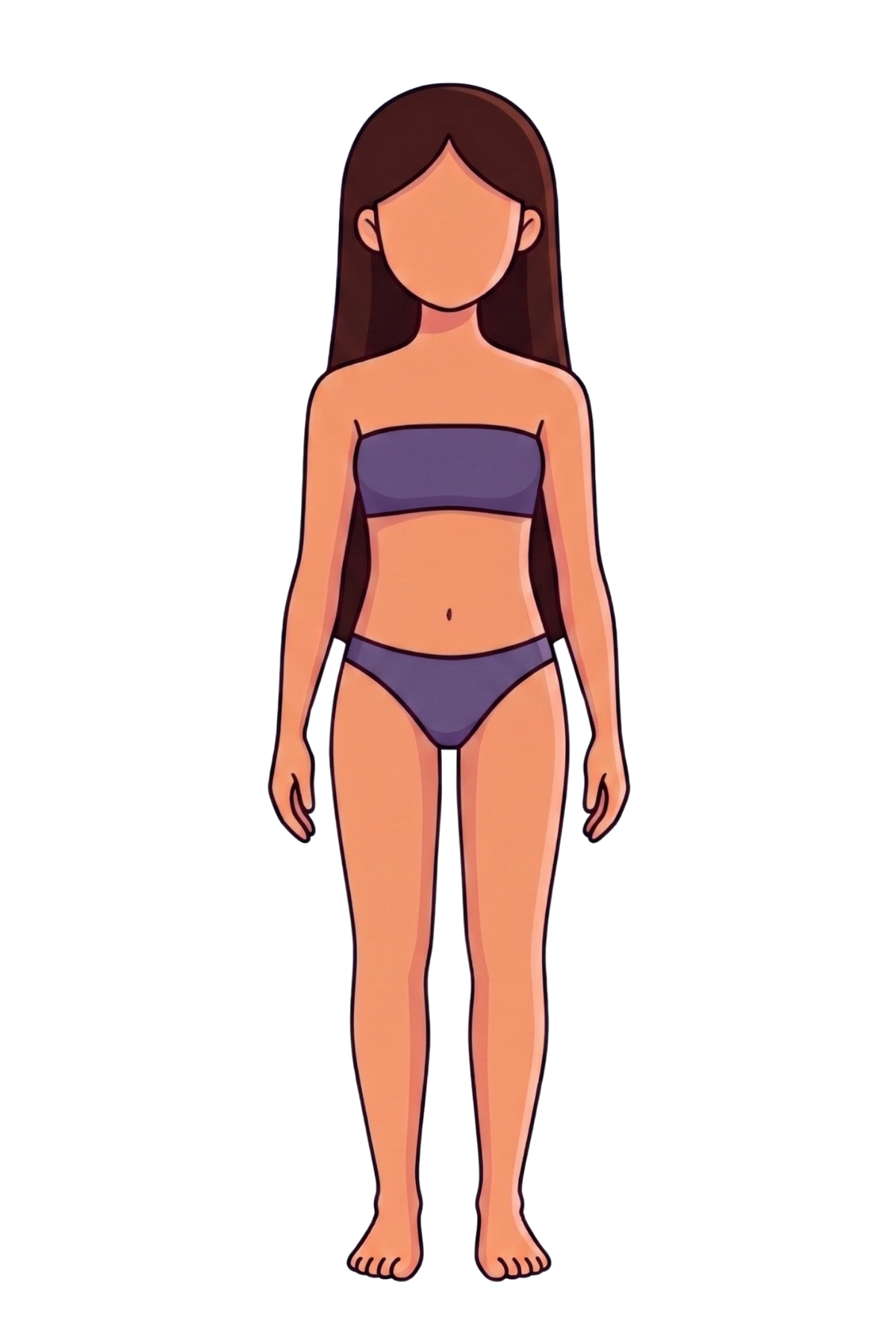
The photo analysis uses Visual Body Mapping to identify your type automatically.
Discover Your Kibbe Image Identity
The photo analysis uses Visual Body Mapping to identify your type automatically.
Photo Analysis
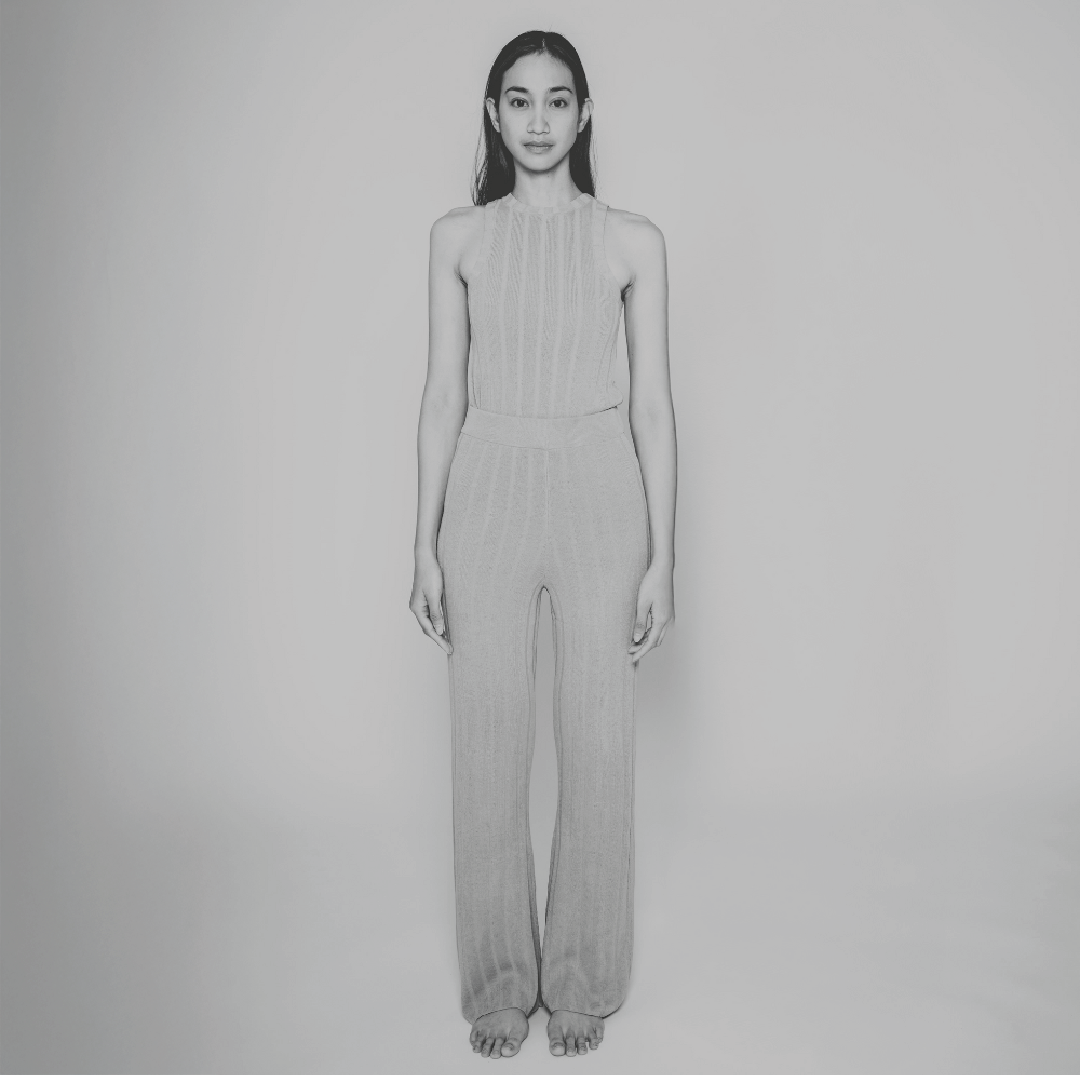
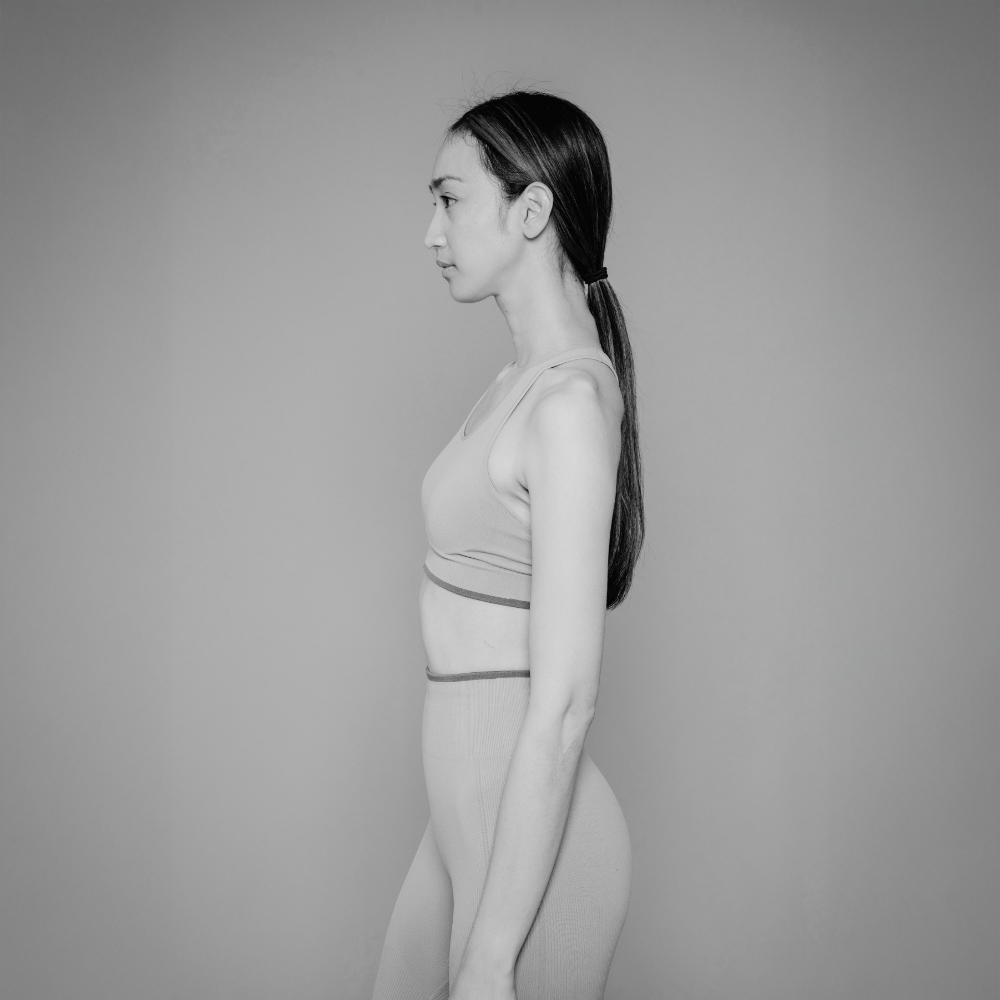
We capture precise measurements from your photos and identify your Kibbe type from your proportions, bone structure, and body lines. You can optionally receive a 3D mesh and sketch of your body with your results.
Take the Quiz
Results
Flamboyant Natural
Description
Flamboyant Naturals have a tall, broad look with relaxed, strong features. There's a natural strength and openness in this frame.
Nickname
"The Nonchalant Showstopper"
Yin-Yang
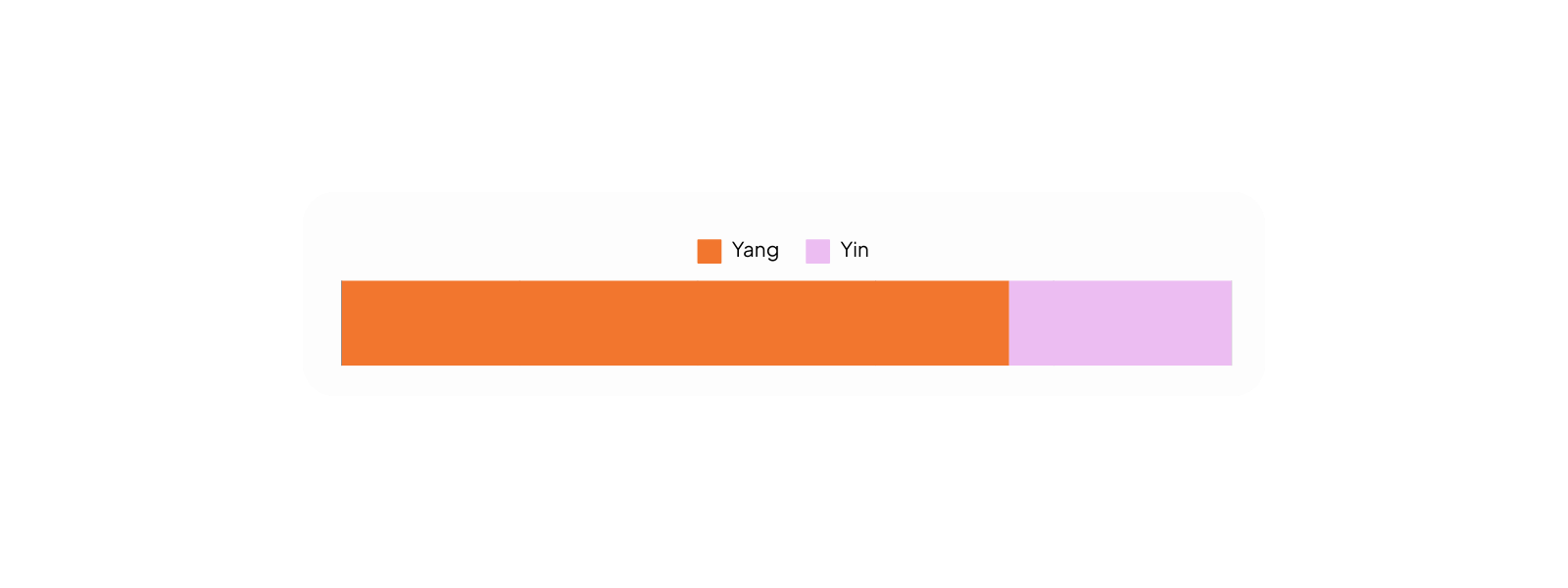
Personal Line
Characteristics
- Usually 5'6" and over
- Broad and strong frame
- Relaxed, defined structure
- Wide shoulders
- Subtle curves
Similar to
Mistaken for
Physical Features of a Flamboyant Natural
Broad, blunt bone structure with wide shoulders and muscular build. Long limbs with athletic frame and natural width through upper body. Strong facial features with broad jawline, large nose, and wide-set eyes.
These physical descriptions are from David Kibbe's original book "David Kibbe's Metamorphosis" (1987). His methodology has evolved significantly since then—in his 2025 book "The Power of Style," he explicitly states "NO BODY PARTS" and emphasizes discovering your Image Identity through Personal Line sketching (how fabric drapes on your body) rather than matching individual features. These descriptions are provided as historical reference, not a checklist for self-typing.
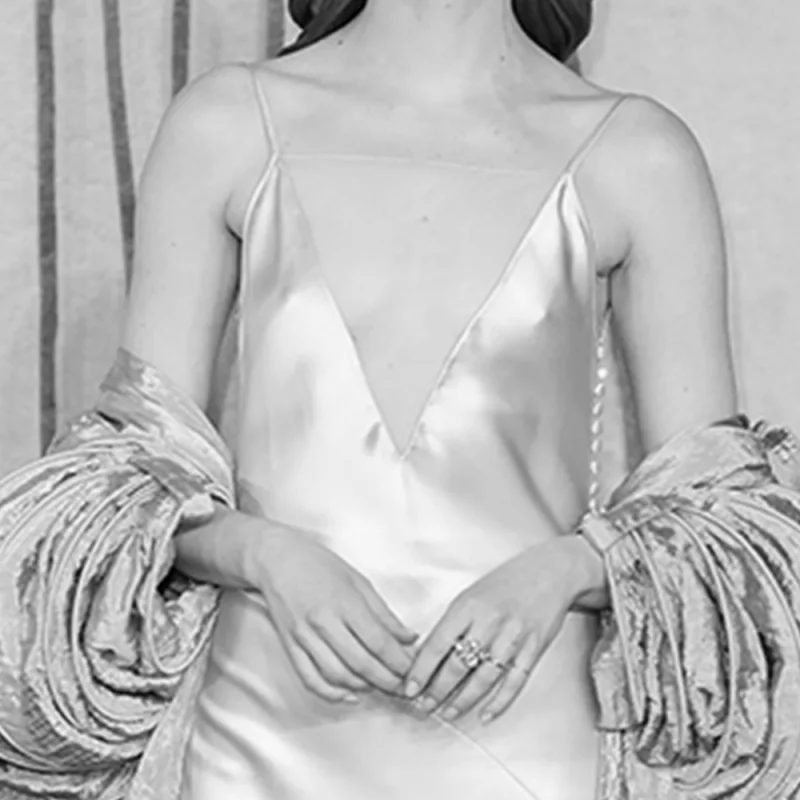
Strong Broad Shoulders
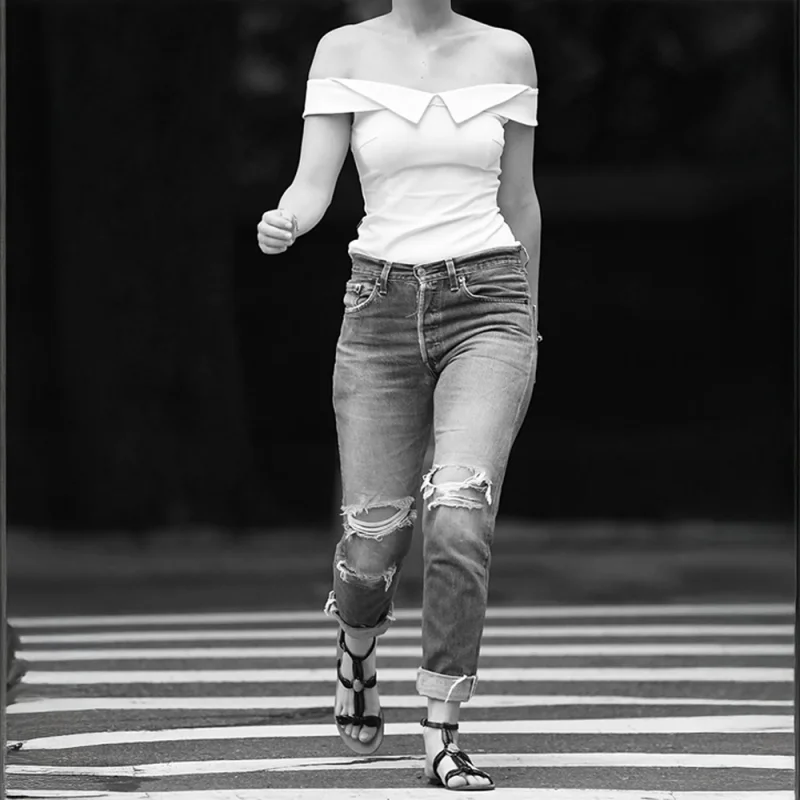
Long Broad Limbs
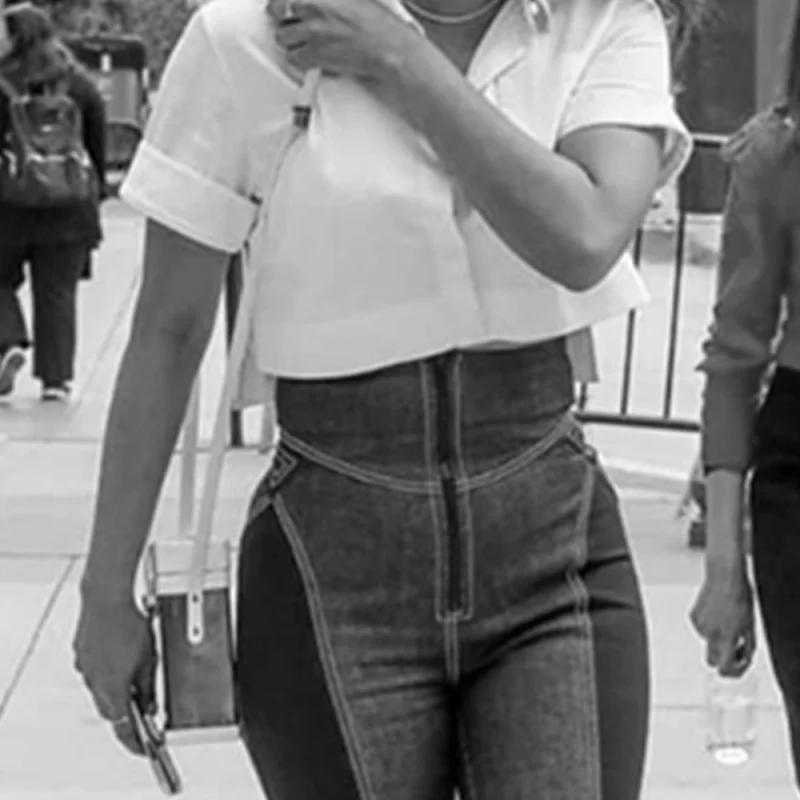
Tapered Wide Hips
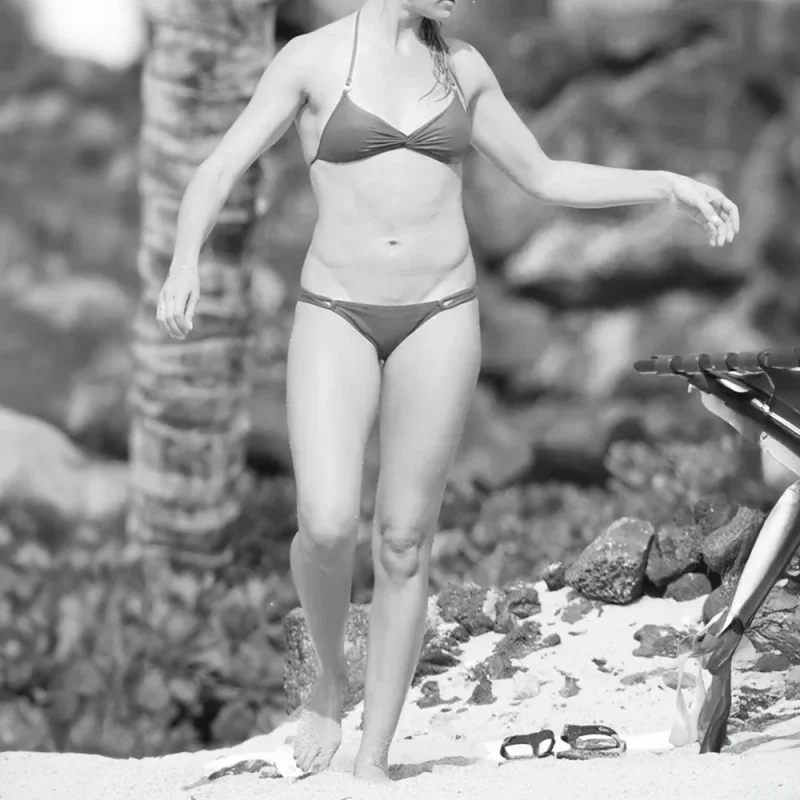
Broad Muscular Shape
The traditional approach to Kibbe typing. Answer questions about your bone structure, body flesh, and facial features. Still accurate, just not the modern visual method.
Frequently Asked Questions
The modern Kibbe system recognizes 10 types (the 3 "pure" balanced types have been discontinued). Here is each type with its height limit, dominant/additional elements, and yin/yang balance:
| Type | Height | Dominant | Additional | Yin/Yang |
|---|---|---|---|---|
| Dramatic | Any height | Vertical | Narrow | Yang |
| Soft Dramatic | Any height | Vertical | Curve | Yang |
| Flamboyant Natural | Any height | Vertical | Width | Yang |
| Soft Natural | Under 5'6" | Curve | Width | Yang |
| Dramatic Classic | Under 5'6" | Vertical | Balance | Yang |
| Soft Classic | Under 5'6" | Curve | Balance | Yin |
| Flamboyant Gamine | Under 5'5" | Vertical | Petite | Yin |
| Soft Gamine | Under 5'5" | Curve | Petite | Yin |
| Theatrical Romantic | Under 5'6" | Curve | Narrow | Yin |
| Romantic | Under 5'6" | Curve | Double Curve | Yin |
Note: Yang types have more sharp/angular qualities, while Yin types have more soft/rounded qualities.
Height plays a crucial role in determining your Kibbe type. At 5'6" and over, you automatically have Vertical as your dominant. All Curve dominant types must be under 5'6".
| Type | Height | Dominant | Additional |
|---|---|---|---|
| Dramatic | Any height | Vertical | Narrow |
| Soft Dramatic | Any height | Vertical | Curve |
| Flamboyant Natural | Any height | Vertical | Width |
| Dramatic Classic | Under 5'6" | Vertical | Balance |
| Flamboyant Gamine | Under 5'5" | Vertical | Petite |
| Romantic | Under 5'6" | Curve | Double Curve |
| Theatrical Romantic | Under 5'6" | Curve | Narrow |
| Soft Natural | Under 5'6" | Curve | Width |
| Soft Classic | Under 5'6" | Curve | Balance |
| Soft Gamine | Under 5'5" | Curve | Petite |
Note: It's possible to be under 5'6" and still have Vertical as your dominant. Both Gamine types (with Petite) must be under 5'5".
Each Kibbe type tends to gain and distribute weight differently based on their Yin/Yang balance. Understanding your type's weight pattern can help with realistic expectations and dressing strategies.
| Type | Weight Gain Pattern |
|---|---|
| Dramatic | Hips and upper thighs only; NOT upper torso. Body shape remains straight (not curvy). |
| Soft Dramatic | All over the fleshiest parts: bust, hips, waist, thighs, upper arms, and especially the face. |
| Flamboyant Natural | Becomes square and stocky; face becomes fleshy and puffy. Extreme excess weight collects primarily from waist down. |
| Soft Natural | Extremely soft and fleshy; waist thickens first. Upper arms, thighs, and hips collect excess weight most rapidly. |
| Dramatic Classic | Excess weight shows up right away and collects from the waist down. Hips and thighs gain; rarely around bustline. Becomes more pear-shaped. |
| Soft Classic | Body becomes very soft; facial features become very fleshy. "Thickish" look; waist is first to lose definition. |
| Flamboyant Gamine | Becomes stocky and square. Excess weight from waist down, rarely above. Arms, legs, waist, and hip area become thick. Face may become puffy and fleshy. |
| Soft Gamine | Very rounded; weight collects mainly in bust and hip areas. Arms and thighs get soft; face becomes quite fleshy. |
| Theatrical Romantic | Figure remains hourglass with defined waist. Upper arms, thighs, and face become quite fleshy. |
| Romantic | Body only gets more rounded overall; face gets very full. |
Source: David Kibbe's Metamorphosis (1987)